Dating My Daughter
Play Dating My Daughter
Dating My Daughter Screenshots

















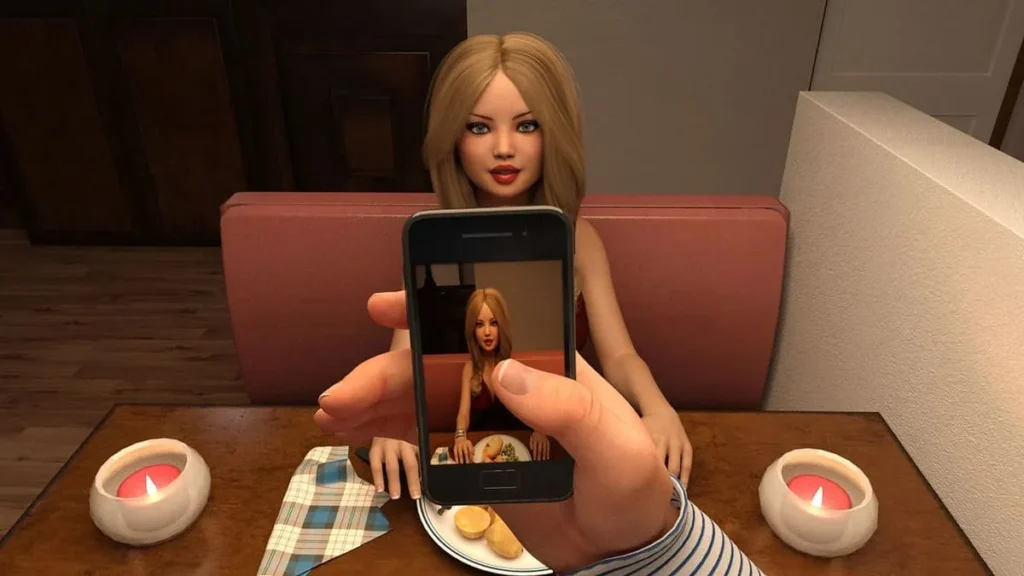




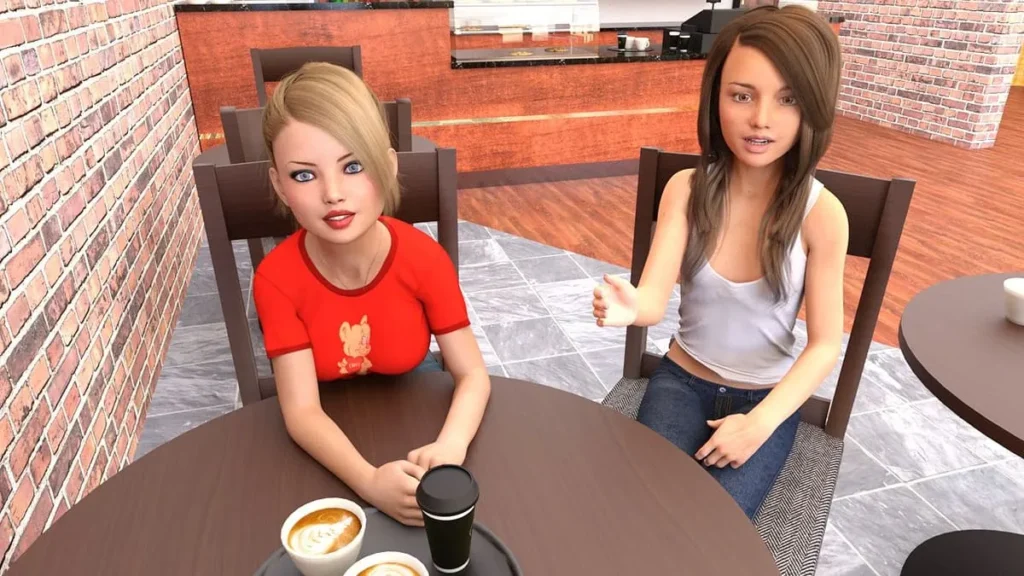
Dating My Daughter review
Master the Choices, Scenes, and Secrets in This Gripping Visual Novel
Ever wondered what happens when a long-lost father reunites with his grown daughter in a world of tempting choices and steamy developments? That’s the hook of Dating My Daughter, the visual novel that’s got players hooked worldwide. I first stumbled upon this game during a late-night scroll, and let me tell you, its blend of emotional storytelling and bold interactions kept me up for hours. In this guide, we’ll dive into the core story, key decisions that shape your path, and tips to unlock the best outcomes. Whether you’re new or replaying for hidden scenes, stick around to level up your playthrough.
What Makes Dating My Daughter a Must-Play Visual Novel?
I remember the first time I downloaded Dating My Daughter. I was browsing for a visual novel Dating My Daughter that offered something deeper than the usual clichés, and I stumbled upon this title. Honestly, I was skeptical. A story about a father reconnecting with his adult daughter? It sounded like it could be awkward, preachy, or just plain boring. But from the very first conversation, I was completely hooked. It wasn’t just about “dating” in any superficial sense; it was about navigating the fragile, messy, and beautiful process of rebuilding a broken relationship. You’ll love how the game respects your intelligence, presenting you with ethical dilemmas that have no easy answers. It grabbed me with its raw emotional honesty and never let go.
Unpacking the Core Story and Characters
So, what is Dating My Daughter really about? At its heart, this is a story of second chances. You step into the shoes of a middle-aged man who, after years of separation due to a painful divorce, is suddenly back in his adult daughter’s life. She is no longer the little girl he remembers. She has her own life, her own dreams, and a deep well of unresolved hurt and resentment. The core of the Dating My Daughter story revolves around the daily grind of rebuilding trust. You’ll handle everything from grocery shopping and cooking dinner to having deep, late-night conversations that explore the past.
The magic of this visual novel Dating My Daughter lies in its cast. Every character feels real, flawed, and compelling. Here is a quick look at the main characters who will shape your journey:
- The Protagonist (You): A man carrying the weight of past mistakes. He is not a hero; he is a regular guy trying to do better. Your choices define his growth.
- The Daughter (Andrea): She is intelligent, witty, and guarded. Her journey is about learning to trust again, and she will push back hard if you try to control or manipulate her.
- Olivia: The wise and warm-hearted best friend and neighbor. She often acts as a confidante, offering advice that can either help or complicate your path with your daughter.
- Elena: An enigmatic and sophisticated woman from the protagonist’s past. Her presence stirs up old feelings and can introduce a complicated romance subplot that affects your family dynamic.
- Georgina: The daughter’s closest friend. She is fiercely loyal and protective, making her either a helpful ally or a formidable obstacle, depending on how you treat her.
- Maria: A young woman who works at a local shop. She represents a fresh start and a lighter, more carefree connection. Her interactions can provide a welcome escape from the heavier family drama.
Understanding these Dating My Daughter characters is crucial. Your Dating My Daughter plot summary isn’t just about a series of events; it’s about how you navigate the relationships between them. The game excels at highlighting generational differences. You’ll find yourself facing situations where your old-school advice clashes with her modern worldview, creating moments of tension, humor, and deep connection.
How Choices Drive Your Unique Journey?
You won’t find a simple “right” or “wrong” answer here. The Dating My Daughter game is built on a web of narrative branches that react to every decision you make. This is not a passive story; you are an active participant in every scene. During my first playthrough, I made what I thought was a perfectly reasonable choice: I let her stay out late with her friends to show my trust. Instead of being grateful, she came home distant and upset, feeling like I was being dismissive instead of caring. That moment of tension was a wake-up call. I had failed to read her true emotional need.
Here is the practical advice that will help you master this Dating My Daughter game:
- Save Often, Save Smart: The game encourages multiple endings. Use different save slots before important conversations. This allows you to explore the consequences of a harsh choice versus a gentle one without starting from scratch.
- Read the Room: A character’s affection meter is a guide, not a solution. A high meter doesn’t mean you can be careless. Pay close attention to the tone of conversations, not just the numerical score.
- Embrace Failure: Your first playthrough will likely result in some misunderstandings and arguments. That is not a failure; it is part of the experience. These “bad” outcomes teach you more about the characters than a perfect run ever could.
- Listen for Subtext: Characters often say one thing but mean another. Andrea might say “I’m fine,” but the context and her body language (conveyed through the visuals) might tell you she is hurting. Active listening is a key skill here.
The psychological depth of the Dating My Daughter story is what sets it apart. It’s less about accruing “points” and more about understanding the emotional landscape. A pushy, “gamey” approach will backfire spectacularly. The game rewards patience, empathy, and genuine effort. My own opinion, after many hours of play, is that this journey is more about building a meaningful connection than it is about chasing any single outcome. The real prize isn’t a romantic ending, but the quiet, earned trust that appears after you’ve weathered a storm together. Stay tuned for the next chapter, where I will break down specific scene choices and which dialogue options unlock the deepest bonds.
Visuals, Sound, and Immersive Experience
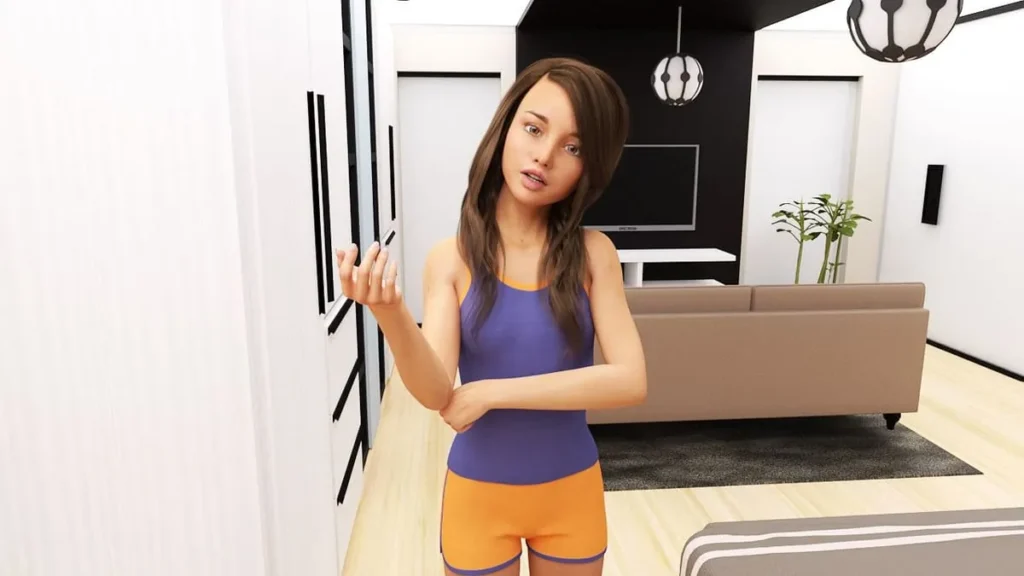
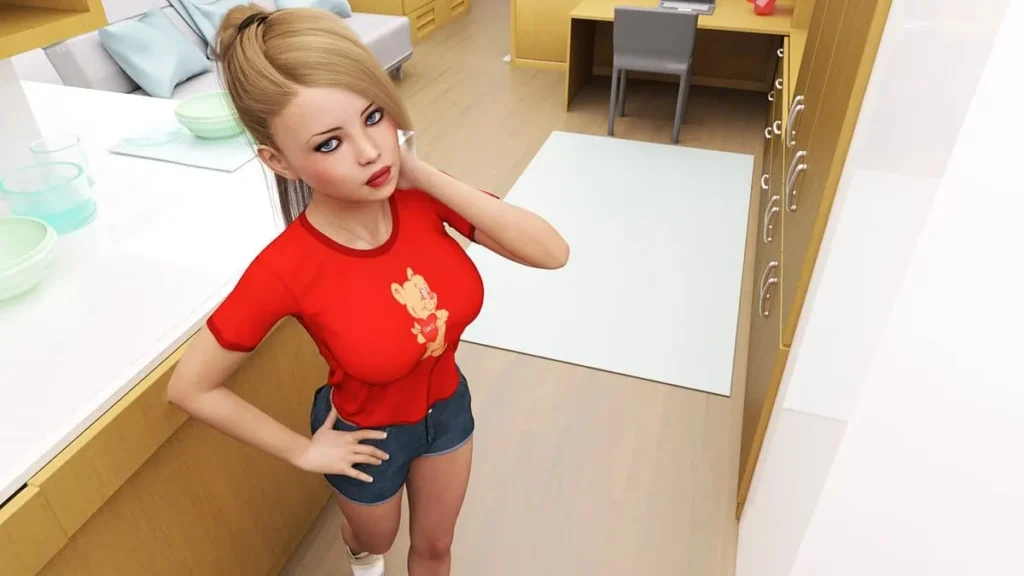
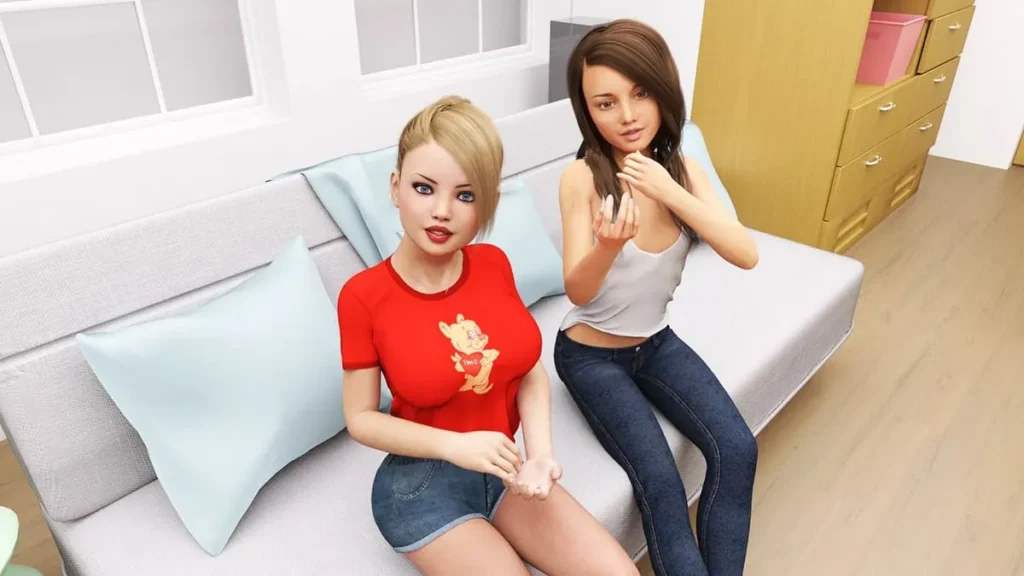
Let’s talk about the presentation, because the visual novel Dating My Daughter wraps its deep narrative in a stunning package. The 2D artwork is expressive and detailed, bringing every subtle emotion to the screen. You can see a flicker of disappointment in Andrea’s eyes or a smirk of skepticism from Georgina. This visual clarity makes interpreting scenes much easier and more rewarding.
The audio design is equally impressive. The soundtrack is gentle and melodic, shifting effortlessly from warm, comforting piano tones during a quiet dinner to more tense, anxious notes during a heated argument. It never distracts; it enhances. The natural voice acting (where available) breathes life into every character, making them feel like real people. The whole experience has an interactive movie feel that pulls you deep into the drama.
One player summed it up perfectly after their first completion:
“I’ve played many story-driven games, but none of them made me actually stop and think about my own relationships the way this one did. I genuinely felt nervous before making a choice, because I cared about the characters. It’s not just a game; it’s an emotional mirror.”
Whether you are a veteran of the genre or a newcomer, you will find something to treasure in this journey. It is a game that rewards reflection, patience, and a willingness to see the world from another’s perspective. Get ready to make some tough choices, because the path to understanding is never simple.
There you have it—your roadmap to mastering Dating My Daughter, from heartfelt reunions to those game-changing choices that define your story. I remember my first full playthrough; the emotional payoff hit hard, making every decision feel personal. Whether you’re building trust or chasing hidden paths, experiment boldly and save often. Now it’s your turn—dive in, craft your ending, and share your wildest outcomes in the comments. What’s your go-to choice on Day 1? Let’s chat!