Twisted Memories
Play Twisted Memories
Twisted Memories Screenshots
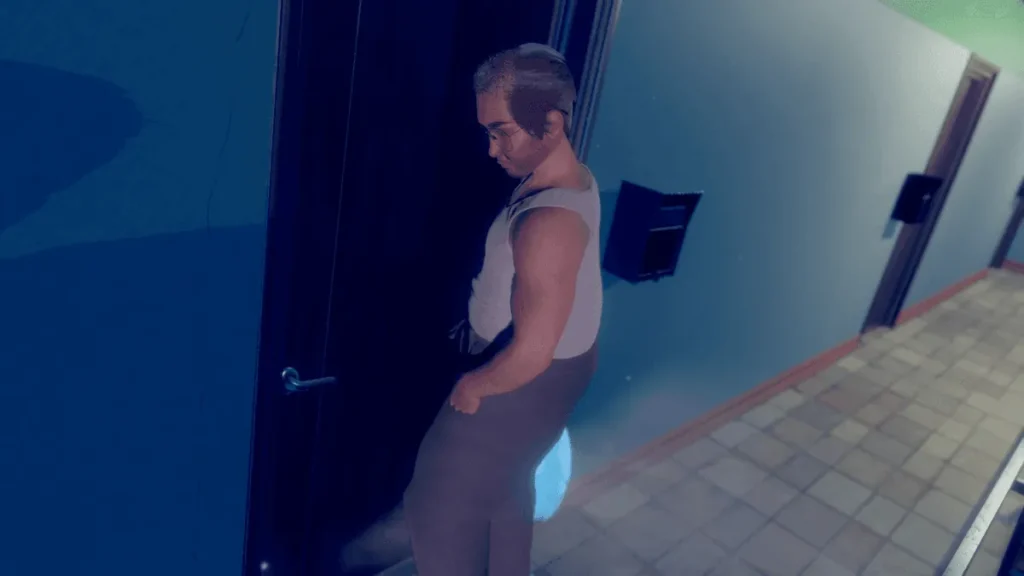
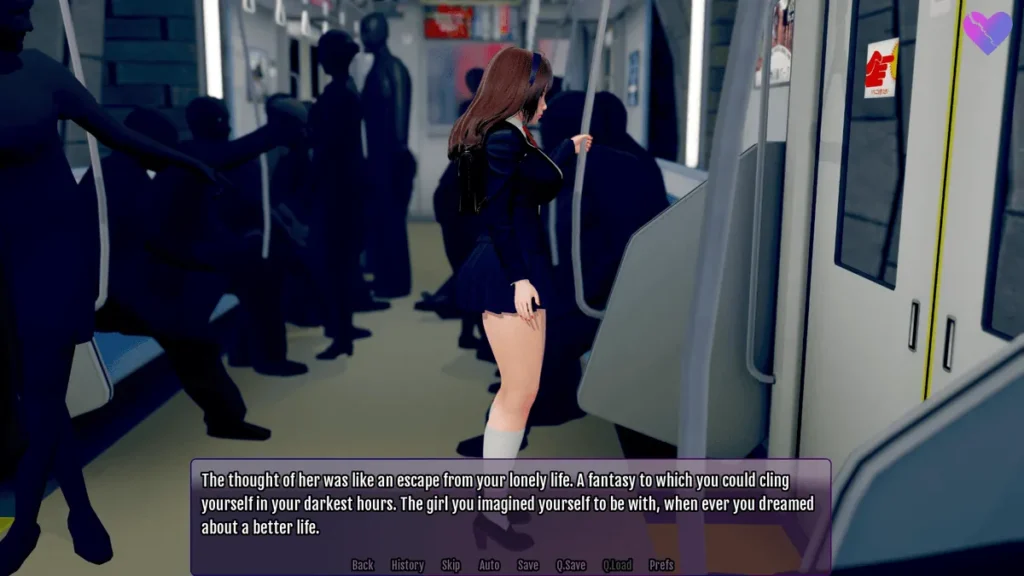

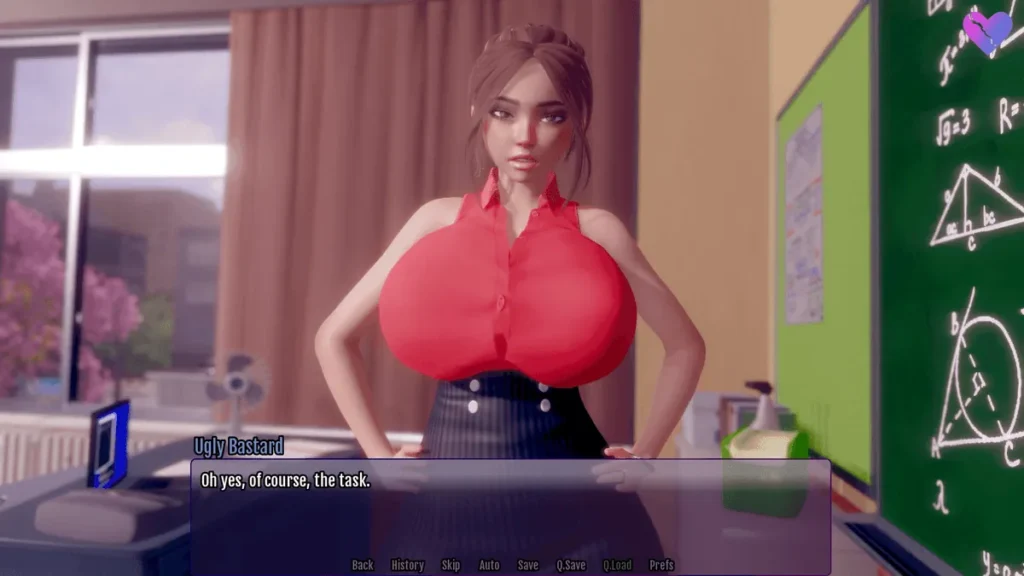
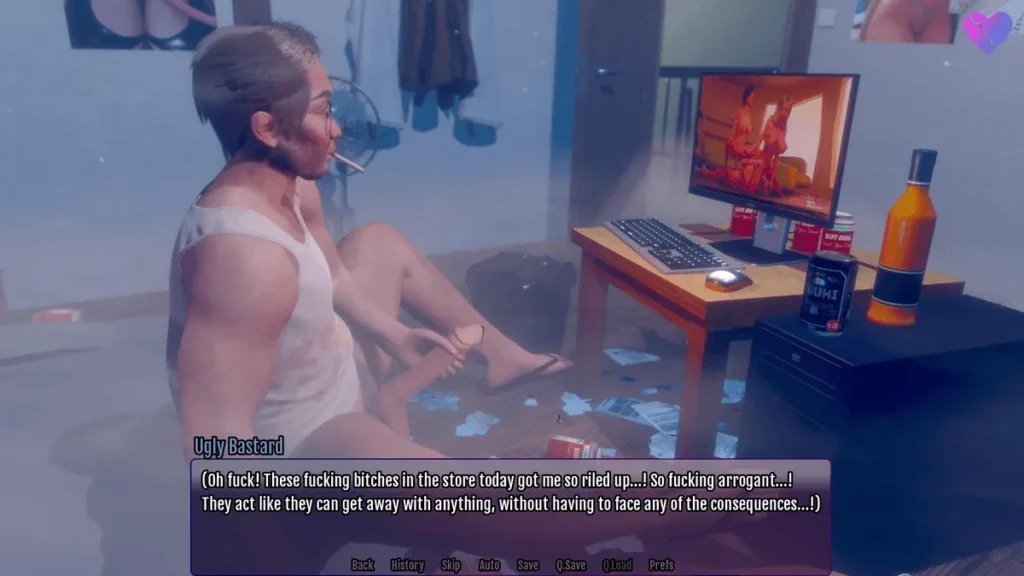
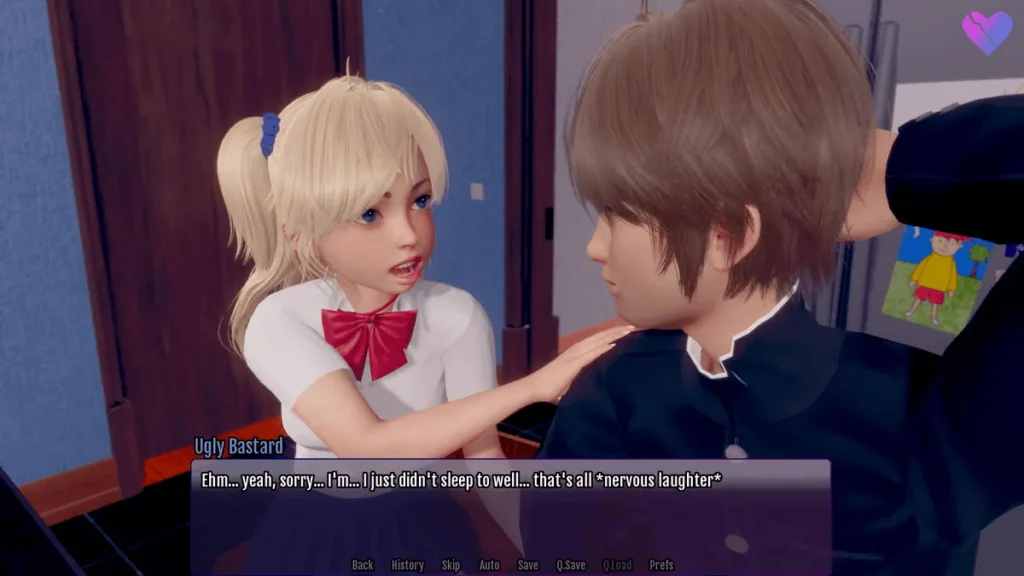
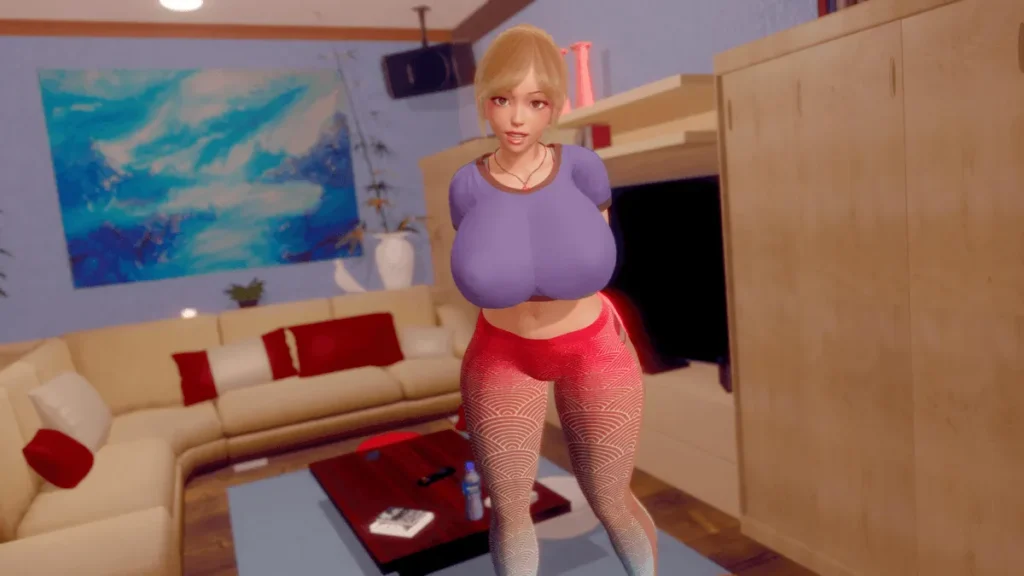
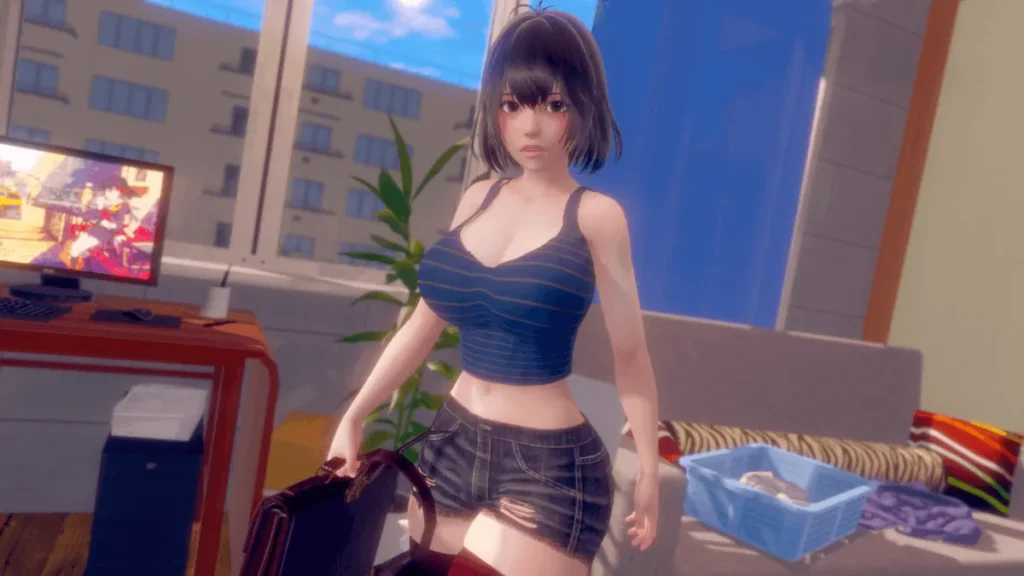
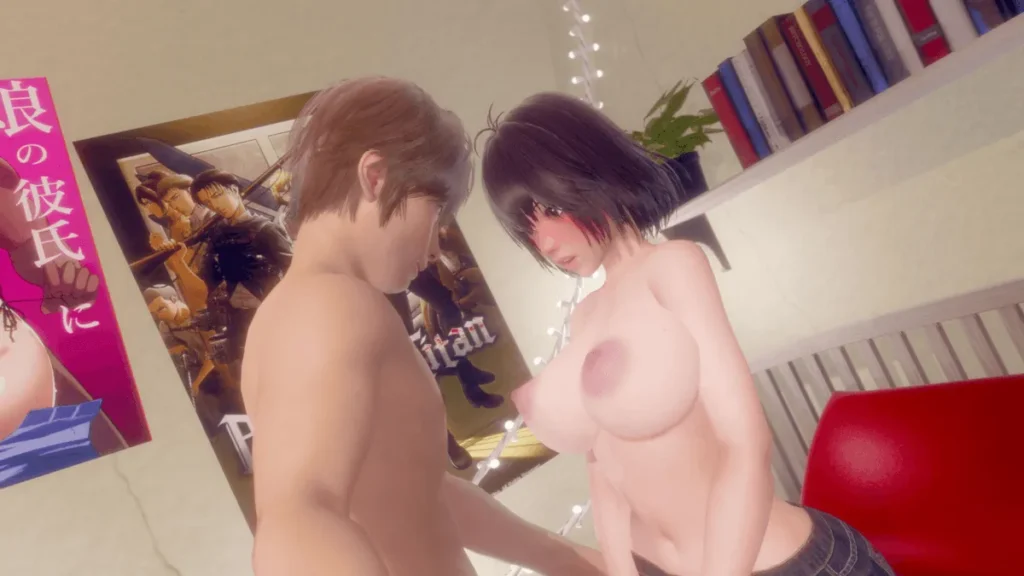
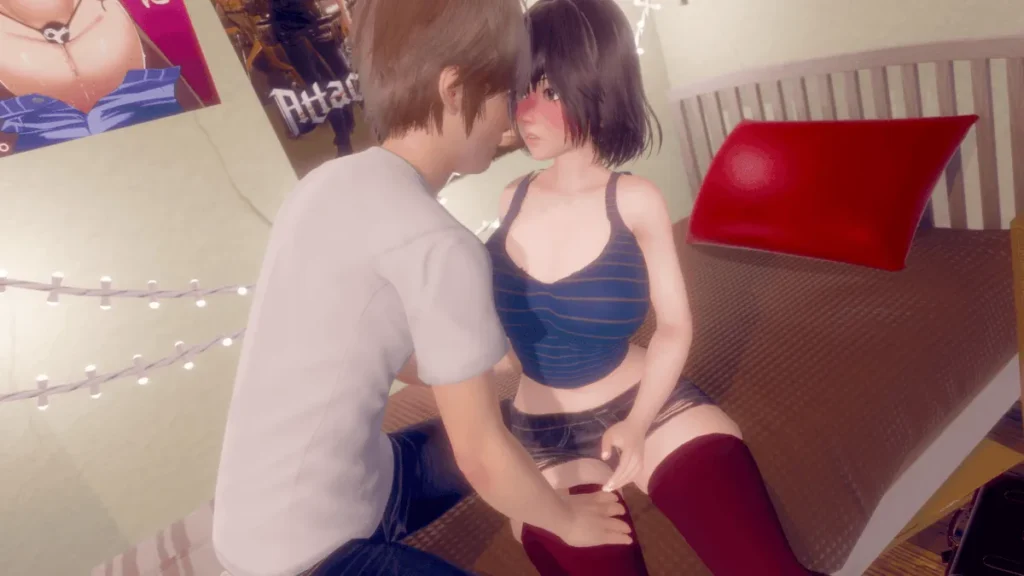

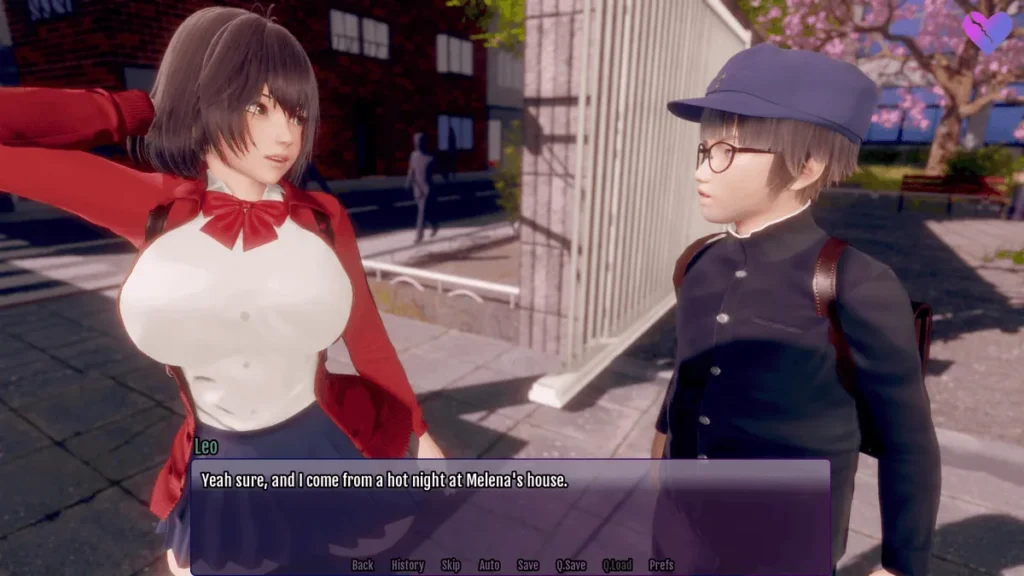
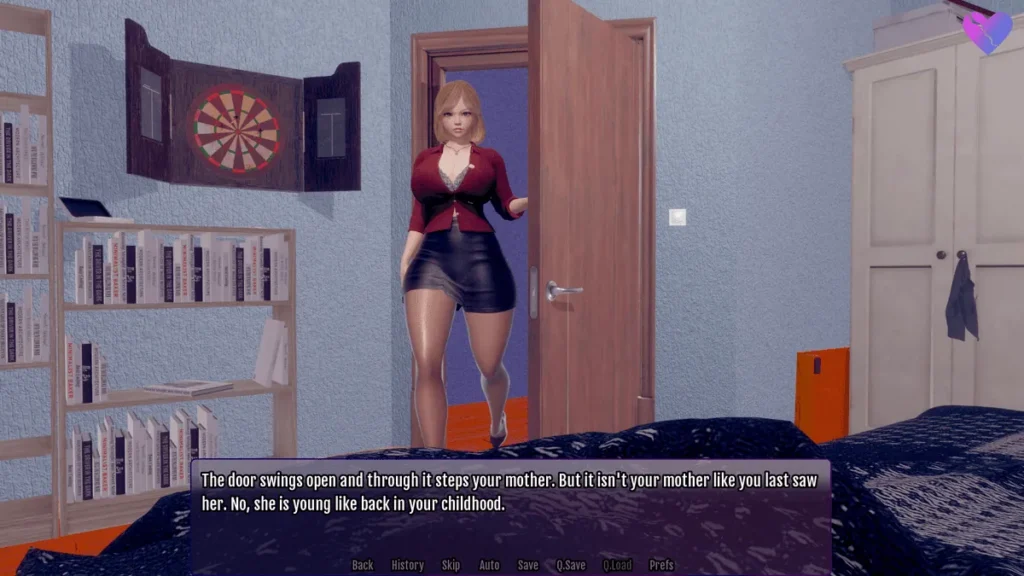
Twisted Memories review
Explore the psychological narrative and strategic choices in this adult visual novel
Twisted Memories stands out as a provocative psychological visual novel that challenges conventional storytelling through its unique premise and morally complex narrative. The game centers on a protagonist who experiences a consciousness transfer into his teenage body, armed with decades of adult memories, regrets, and bitterness. This distinctive setup creates an internal conflict that drives the entire experience, forcing players to navigate relationships and make strategic dialogue choices that reshape the past. Whether you’re interested in the narrative depth, character interactions, or decision-making mechanics, understanding what Twisted Memories offers helps you appreciate its bold approach to adult gaming.
Understanding the Core Premise and Story
So, you’ve heard the name Twisted Memories floating around and you’re wondering what the buzz is about. 🤔 Is it just another visual novel with pretty art? Far from it. Let me pull up a chair and tell you about one of the most brutally introspective journeys in adult gaming. Forget heroic fantasies or romantic fluff; this is a deep, often uncomfortable dive into the darkest corners of regret. If you’ve ever laid awake at night replaying your worst mistakes, this game feels like it’s reading your mind. 🕯️
At its core, the Twisted Memories story premise is a devastatingly simple “what if?” What if you, a broken adult, got a chance to do it all over again? But here’s the cruel twist: you don’t get innocence or optimism. You take every scar, every bitter lesson, and every ounce of your jaded cynicism back with you. This isn’t a wish-fulfillment fantasy. It’s a psychological autopsy.
The Time Travel Concept and Protagonist Setup
Imagine waking up not just in your old bedroom, but inside your old self. Your body is young, but your mind is a tangled web of decades of disappointment. This is the brilliant, horrifying setup of this time travel consciousness transfer game. There’s no machine, no explanation—just a sudden, jarring shift. One moment, you’re a middle-aged man who views his life as a catalog of failure: careers that went nowhere, relationships that turned to ash, and a soul-deep weariness from constant humiliation. The next, you’re staring at your teenage face in the mirror, with all the memories of that bleak future screaming in your head. 😨
This creates a protagonist unlike any other. He isn’t a blank slate for you to project onto. He comes pre-loaded with a devastatingly specific history and a personality forged in resentment. The central tension isn’t about saving the world; it’s about the sheer, overwhelming dissonance of existing in two timelines at once. The hallways of his school aren’t filled with classmates—they’re filled with ghosts of people he knows will betray him, disappoint him, or fade away. A simple compliment from a future friend is laced with the memory of their later betrayal. This psychological visual novel narrative is built on this fracture, making every single interaction feel charged with a hidden, painful history.
The genius of this adult game storyline is how it weaponizes nostalgia. Those “best years of your life” become a minefield. A sunny day at the park feels bittersweet because you know this happiness is fleeting. A family dinner is agony because you remember the slow decay of those relationships. The protagonist’s internal monologue constantly colors these moments, poisoning them with foresight. He can’t just be; he can only remember and anticipate. This is the game’s core mechanic and its primary source of horror.
Psychological Themes and Internal Conflict
If you’re looking for a lighthearted romp, you are in the wrong place. Twisted Memories is a masterclass in dark narrative themes. The true monster in this story isn’t lurking in a shadowy alley; it’s the quiet, constant agony of self-knowledge. The terror comes from realizing that many of your deepest wounds were self-inflicted, and now you have the “chance” to either repeat them or become something worse in the attempt to avoid them. 💀
The protagonist’s psyche is the main battlefield. He is, by his own admission, not a good person. His key traits are a direct result of his perceived failures:
- Jaded Cynicism: He views the world through a lens of past hurts. Optimism is naivety. Kindness is a transaction waiting to happen.
- Manipulative Nature: Armed with future knowledge, he can’t help but see people as pieces on a board. Conversations become exercises in pulling the right strings to get what he wants, whether it’s advantage, comfort, or a twisted sense of justice.
- Self-Serving Motivations: His primary goal isn’t to make the world a better place. It’s to make his world better, to seize the power, respect, and gratification he felt was denied to him.
- Introspective Tendencies: Despite his outward actions, he is painfully self-aware. He recognizes his own toxicity, which often leads to spirals of self-loathing—but rarely to genuine change.
This is where the protagonist character development gets fascinating. Does he use his knowledge to become a better person? Or does his bitterness solidify, turning him into the architect of his own miserable prophecy? The game doesn’t judge him for you; it simply presents the awful logic of his choices.
The narrative also fearlessly explores controversial, uncomfortable threads, particularly within family dynamics. These relationships become the ultimate expression of his damaged psyche. They represent the most intimate form of his past humiliation and powerlessness. His desire to reclaim agency can, depending on your choices, warp into a need to dominate and rewrite these foundational bonds in profoundly disturbing ways. It’s a raw exploration of how regret can curdle into resentment, and resentment into a hunger for control that ignores all boundaries. This is a crucial part of understanding what is Twisted Memories about—it’s about the corrosive nature of living with your worst self.
To really see how these traits drive the story, let’s break down the engine of this narrative:
| Character Trait | How It Manifests | Narrative Impact |
|---|---|---|
| Jaded Cynicism | Dismisses youthful enthusiasm, suspects ulterior motives in every kindness, ruins happy moments with morbid foresight. | Creates constant tension between the player’s potential hope and the protagonist’s certainty of failure. Isolates him emotionally. |
| Manipulative Nature | Uses precise knowledge of future events and insecurities to guide conversations, blackmail, or seduce. | Turns dialogue into a strategic mini-game. Forces the player to complicit in ethically dubious actions for “progress.” |
| Self-Serving Motivations | Choices are framed as “what gets me power/respect/revenge?” rather than “what is morally right?” | Makes the storyline inherently personal and morally grey. There are no purely altruistic paths, only varying degrees of selfishness. |
| Introspective Tendencies | Frequent internal monologues that analyze his own actions with brutal honesty, even as he continues them. | Adds layers of tragic self-awareness. The protagonist knows he’s flawed, which makes his destructive choices feel more inevitable and haunting. |
How the Narrative Unfolds Through Player Choices
This isn’t a story you watch; it’s a psyche you steer. The psychological visual novel narrative is powered entirely by your decisions, which often feel less like “good vs. evil” and more like “which flavor of personal damage do you prefer?” 🎮 Every dialogue choice is filtered through the protagonist’s warped perspective. You aren’t choosing what a hero would say; you’re choosing which facet of his bitterness or calculation to reveal.
Will you use your future knowledge to brutally expose a rival’s secret today, securing a short-term win but making a permanent enemy? Or will you hoard that information, letting the anxiety of knowing poison your interactions? Will you pursue a relationship with someone you know will leave you heartbroken, just to feel the familiar pain again? These choices directly shape the protagonist character development, determining whether he spirals into outright monstrosity, remains a pitiable figure, or finds some sliver of painful, hard-won redemption.
The gameplay loop is a constant negotiation between memory and opportunity. You’ll find yourself:
* Re-contextualizing Past Events: A forgotten argument from your original youth now appears as a major branching point. Do you apologize to mend a bridge, or do you escalate, justifying it with the memory of a future slight?
* Exploiting Foreknowledge: This is your greatest weapon and your biggest moral trap. Using it for financial gain or social maneuvering feels clever, but it dehumanizes everyone around you.
* Managing a Fractured Identity: The strain of maintaining your “teenage” facade while your adult mind screams in frustration is a core mechanical tension. Slip-ups can have bizarre or dangerous consequences.
The narrative branches are wide and consequential. This adult game storyline isn’t afraid to let you fail utterly, to walk paths that lead to isolation, madness, or becoming the very villain of your own life story. There are no golden endings where everyone is happy. At best, there are endings where the protagonist finds a form of peace, however costly or compromised. This commitment to its dark narrative themes is what makes Twisted Memories so memorable and unsettling.
So, what is Twisted Memories about in the end? It’s about the prison of memory. It’s a game that asks if we are doomed by our past, or if we can ever truly escape it, even with a second chance. It presents time travel not as an escape hatch, but as a magnifying glass held over our most tender regrets. The Twisted Memories story premise is your invitation to stare into that mirror and decide what, or who, stares back. It’s a challenging, thought-provoking, and deeply emotional experience that stays with you long after you’ve closed the game. 🖤 If you’re ready for a story that prioritizes psychological truth over comfort, your journey—and your reckoning—awaits.
Twisted Memories represents a bold and unconventional entry in adult gaming, distinguished by its psychological depth and willingness to explore morally complex themes. The game’s core strength lies in its unique premise—a middle-aged consciousness trapped in a teenage body—which creates genuine internal conflict and forces players to confront uncomfortable decisions throughout their playthrough. Rather than offering escapist fantasy, the narrative presents a fractured psyche navigating regret, resentment, and the desire for revenge, all filtered through extensive dialogue and introspective monologues that reveal the protagonist’s true nature. The gameplay mechanics prioritize strategic choice-making over action, emphasizing how player decisions shape relationships and story progression in meaningful ways. Character interactions feel grounded and realistic despite the provocative subject matter, and the game’s refusal to shy away from taboo themes gives it a distinctive voice in the genre. Whether you’re drawn to psychological narratives, relationship-driven gameplay, or stories that challenge conventional morality, Twisted Memories offers a thought-provoking experience that rewards engagement with its complex storytelling and character development.