
Play Treasure of Nadia
Treasure of Nadia Screenshots


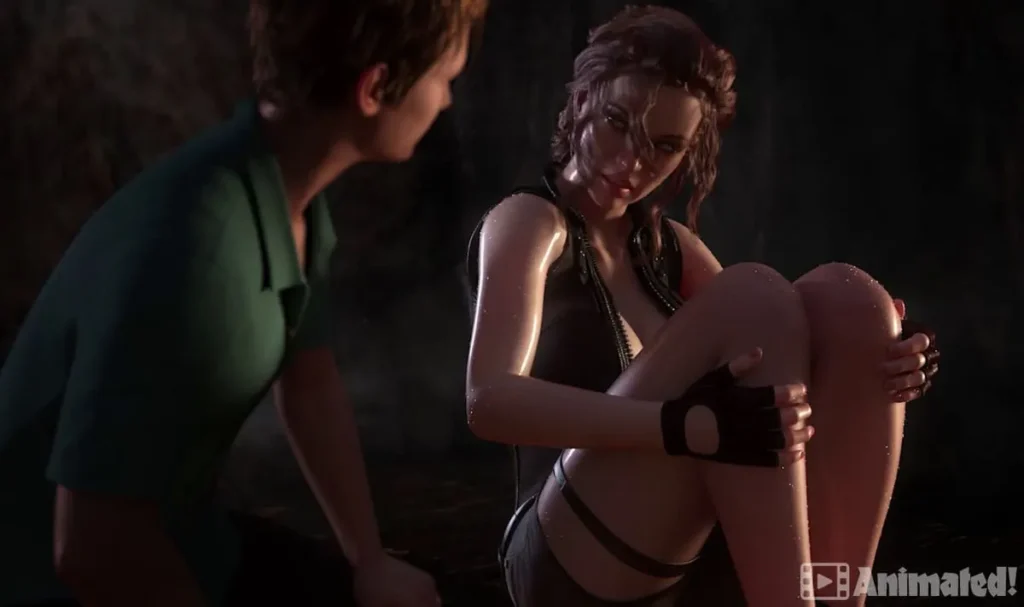

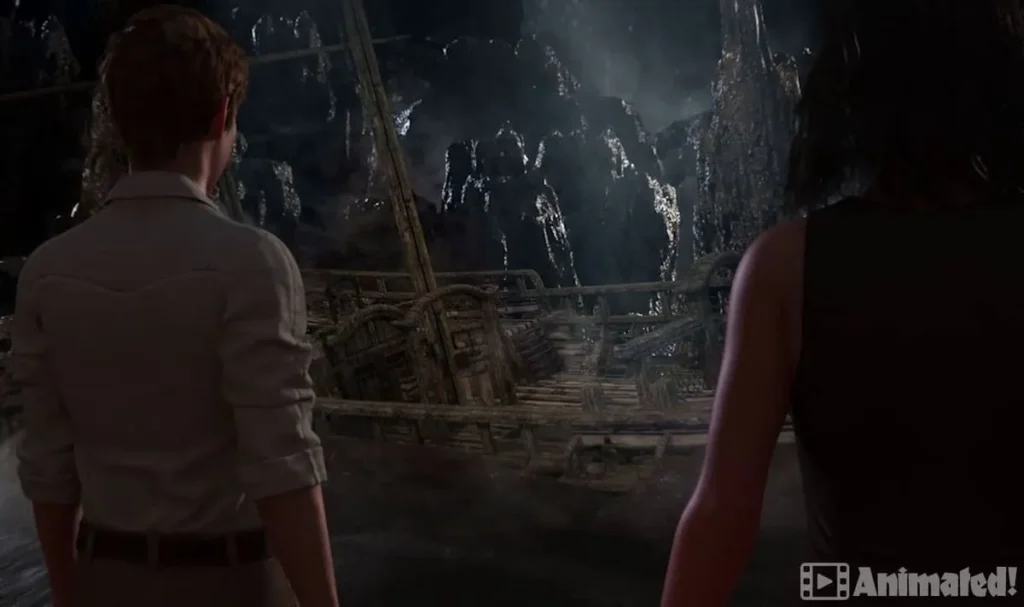

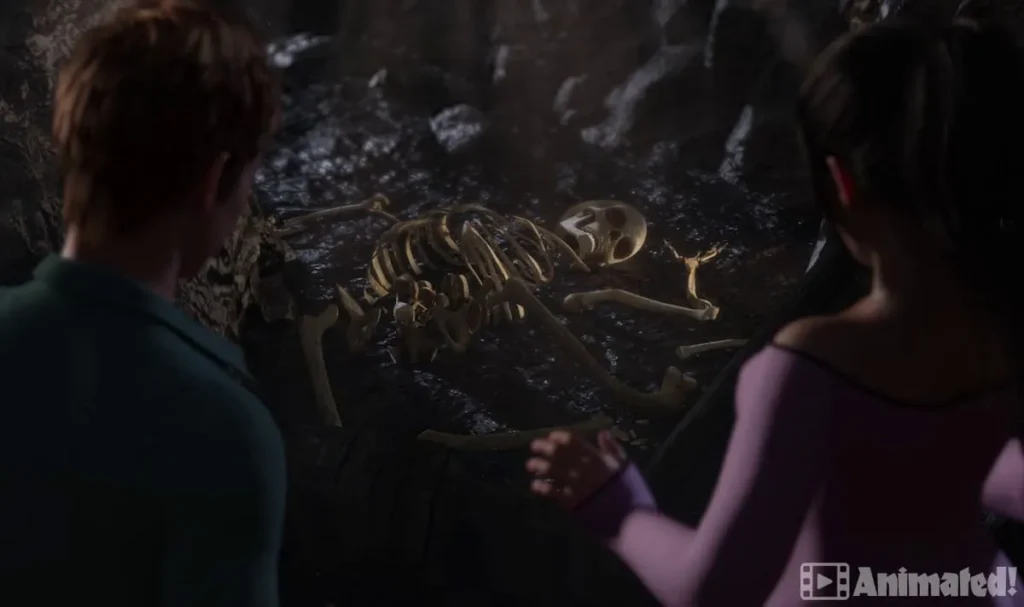


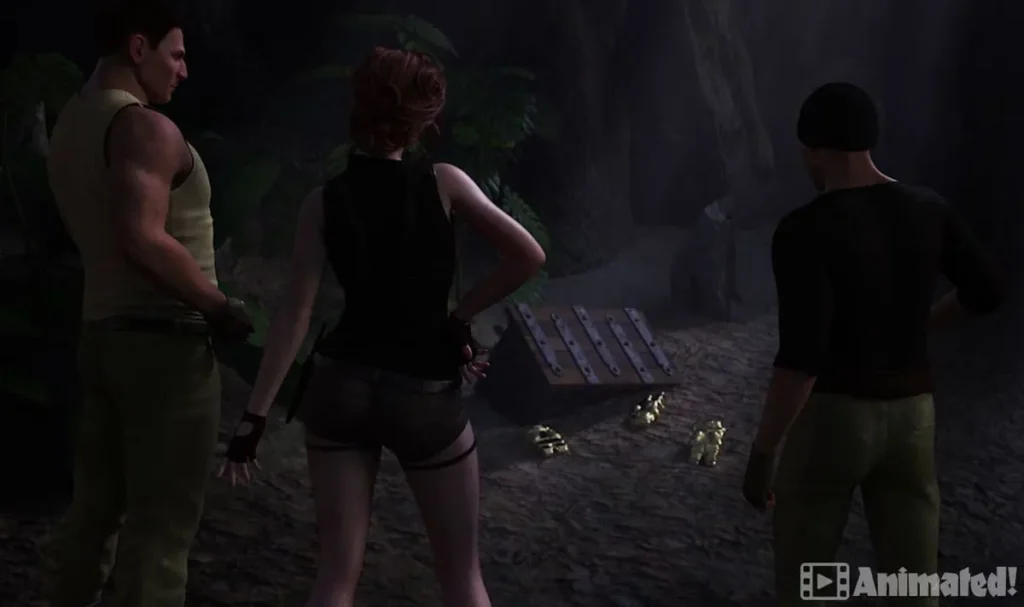








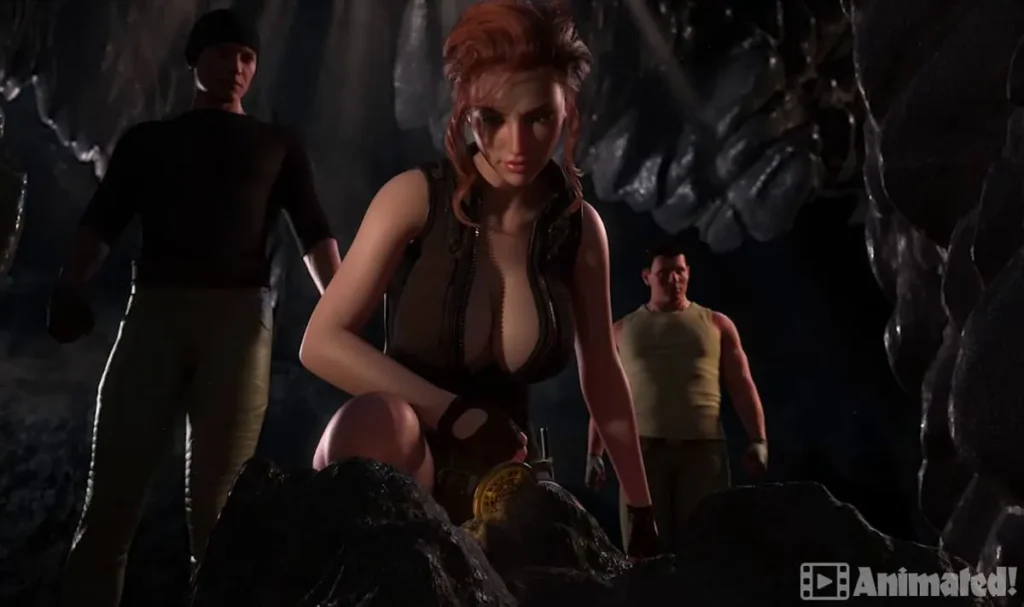
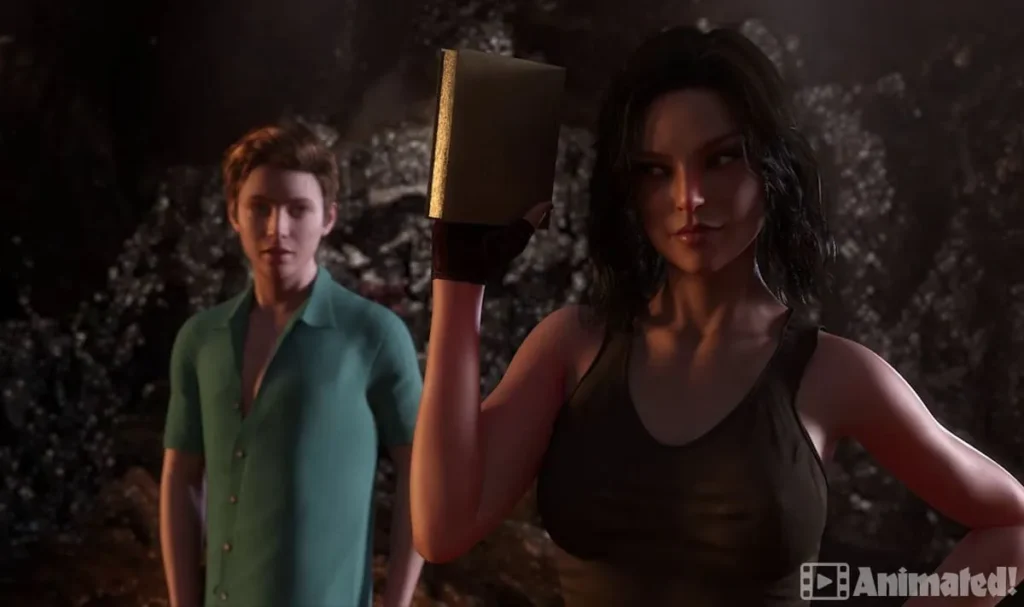
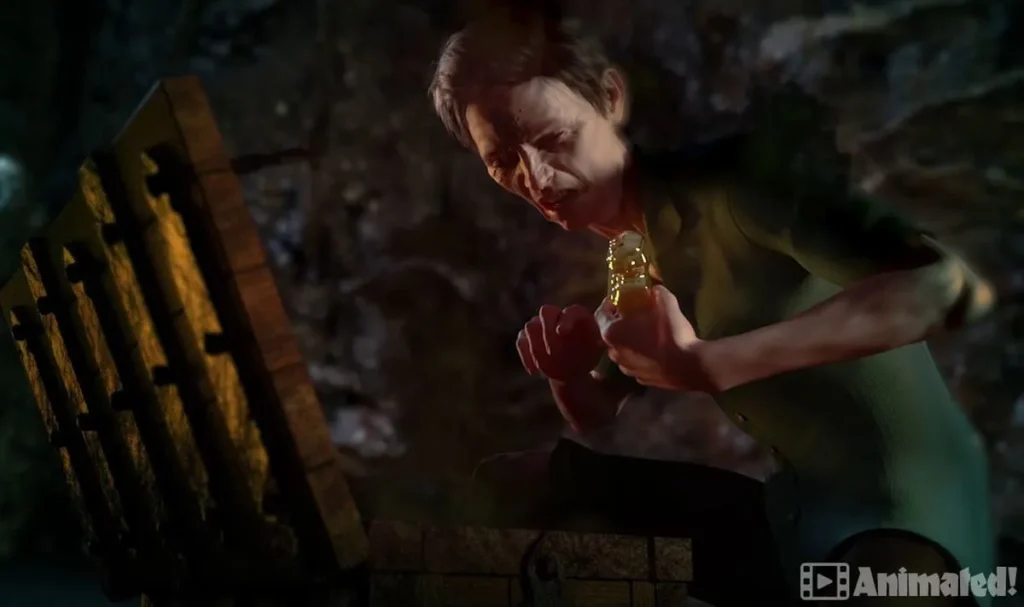










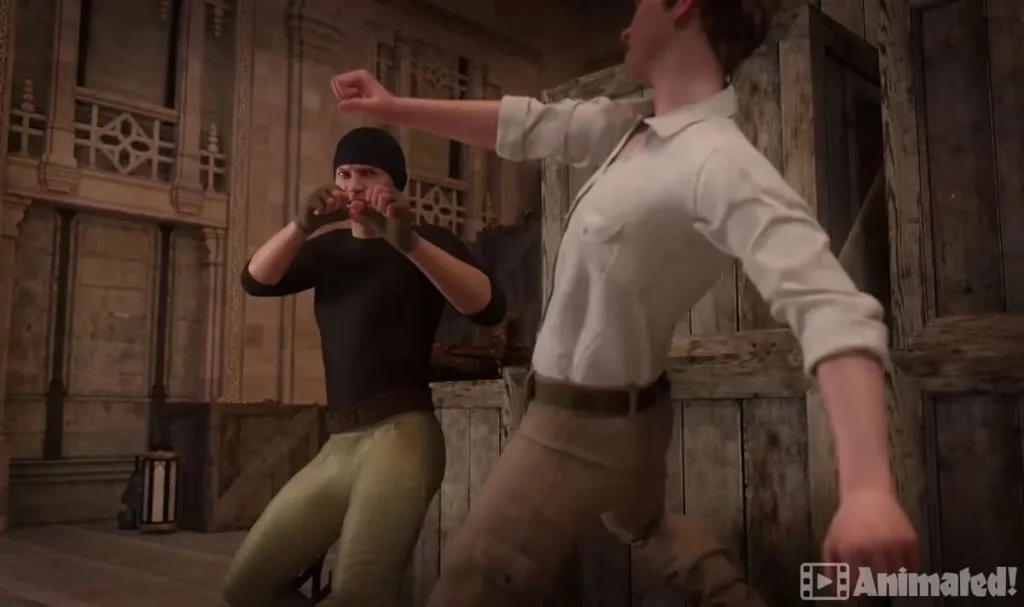















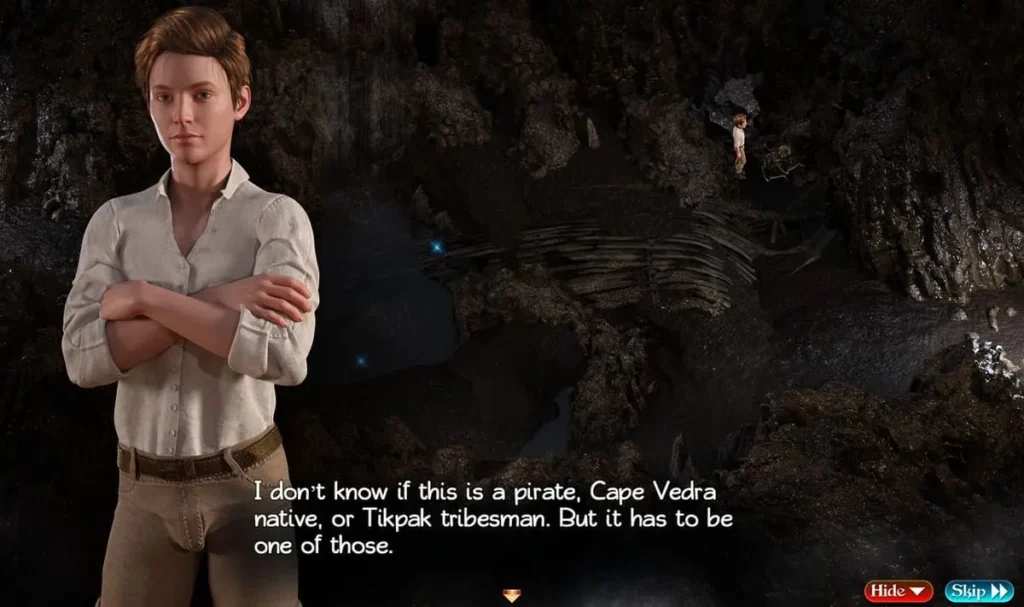
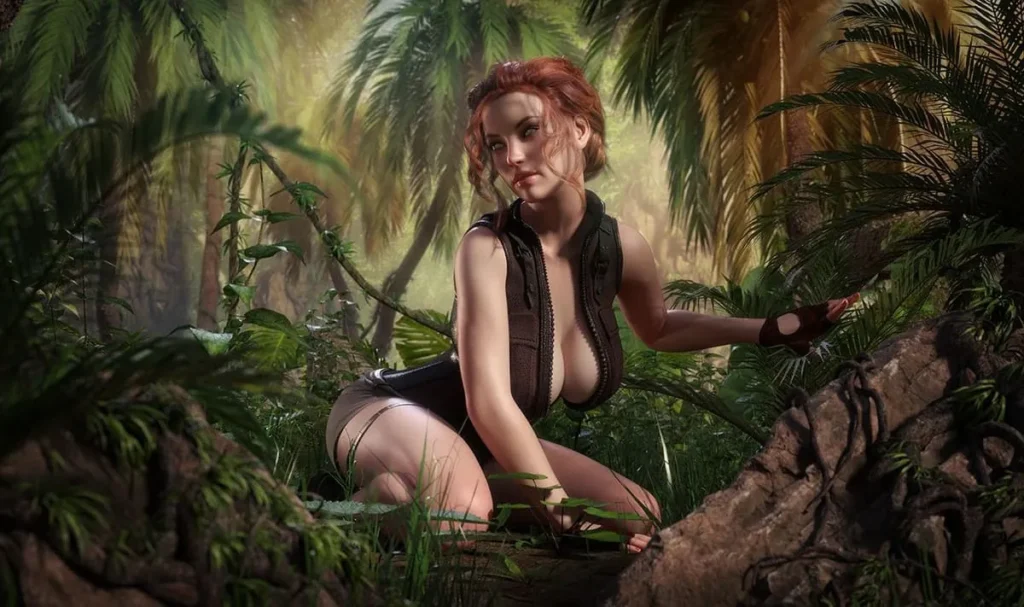
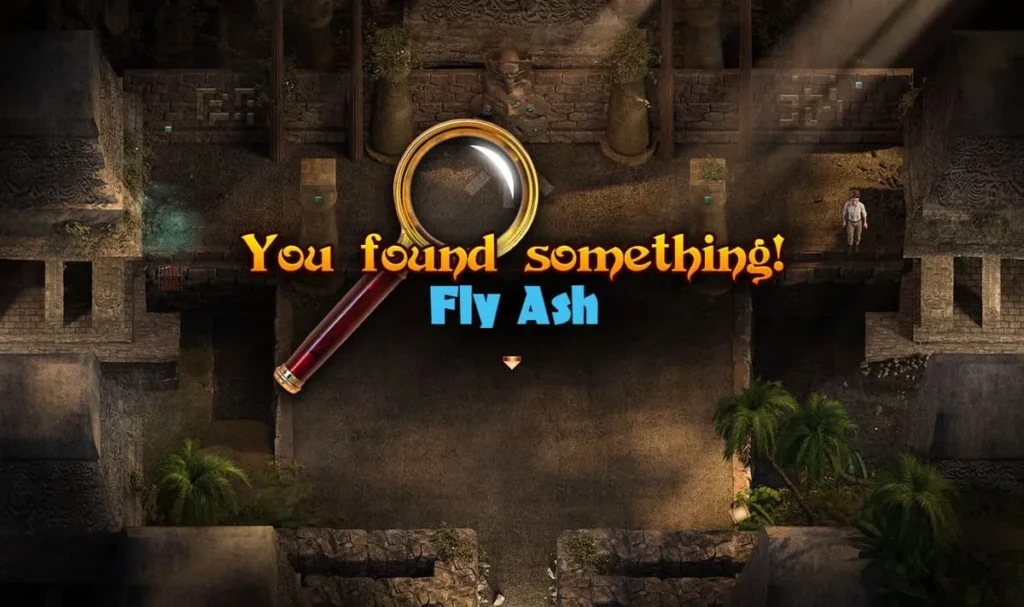
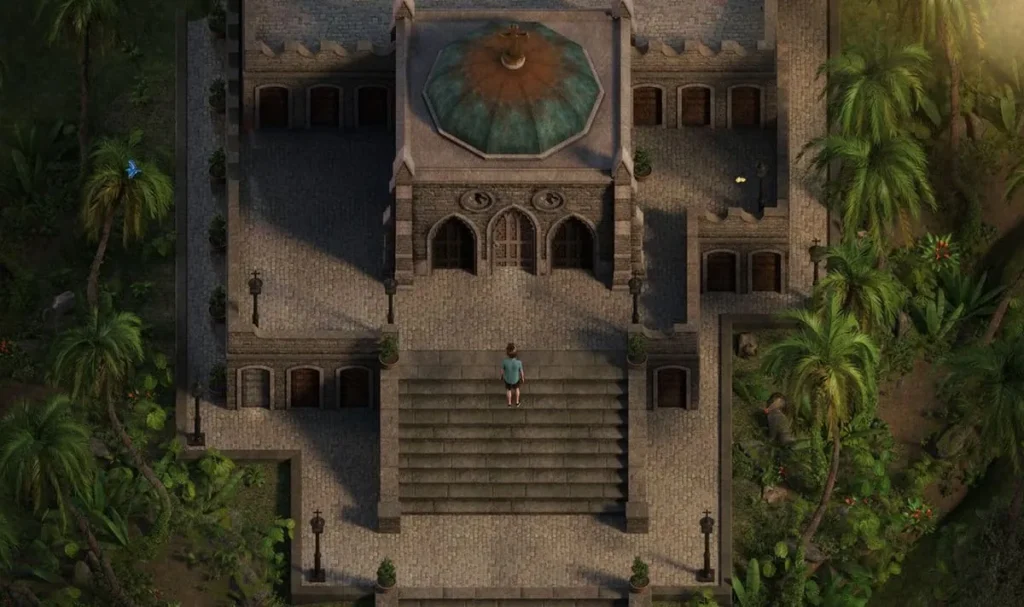
Treasure of Nadia review
Explore gameplay mechanics, storyline depth, and character relationships in this adventure-puzzle experience
Treasure of Nadia stands out as a unique blend of exploration-based gameplay and narrative-driven storytelling. This adventure-puzzle title combines Indiana Jones-inspired exploration with intricate character relationship systems, offering players a substantial gaming experience that extends 30-50 hours depending on playstyle. Whether you’re interested in the crafting mechanics, island mysteries, or branching storyline choices, understanding how these elements interconnect is essential to maximizing your enjoyment. This comprehensive guide breaks down what makes Treasure of Nadia distinctive, from its exploration mechanics to its character progression systems, helping you navigate the game’s depth and complexity.
Gameplay Mechanics & Exploration Systems
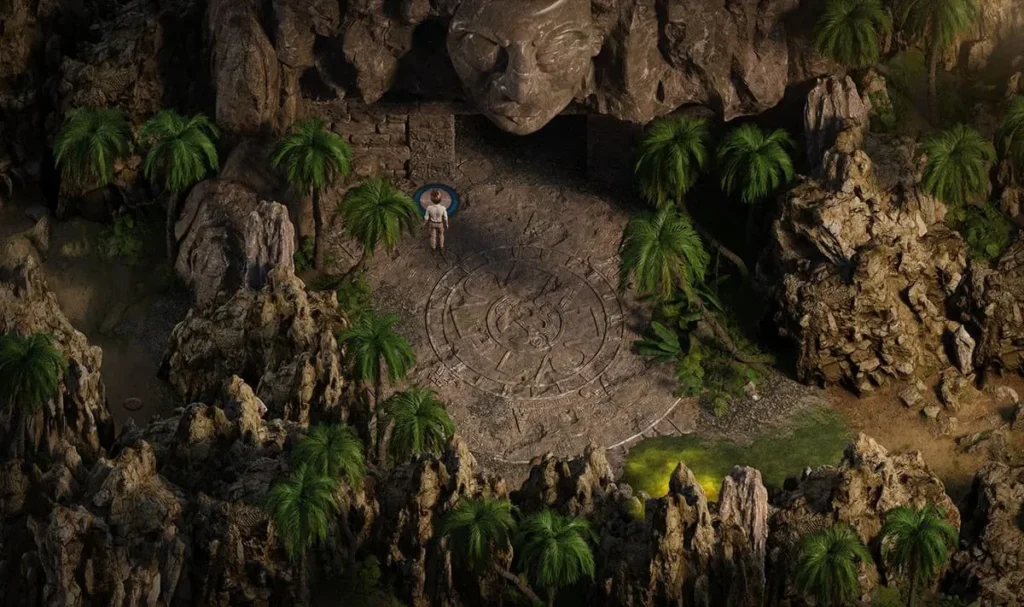
Ever find yourself wandering through a lush jungle, your inventory packed with strange artifacts, your mind buzzing with a half-solved riddle, and your heart set on impressing that one character who holds the key to the next hidden beach? Welcome to the brilliant, sometimes grindy, but always engaging Treasure of Nadia gameplay loop. 🎮 At its core, this isn’t just a game about clicking through scenes; it’s a cleverly woven tapestry where every action feeds into another. You explore to find items, use items to solve puzzles, solve puzzles to progress the story and build relationships, and those relationships, in turn, open up entirely new avenues for Treasure of Nadia exploration mechanics. It’s a satisfying cycle that makes you feel like a true adventurer, even when you’re backtracking for the tenth time to find one more piece of silver ore.
Let me tell you about my first real “aha!” moment. I’d been stuck for ages, unable to reach a cave behind a waterfall on the western coast. The map showed a path, but it was blocked. I’d talked to everyone, combed every pixel—nothing. Frustrated, I decided to just focus on helping the locals, like the librarian, Emily. After running a few errands for her and sharing a couple of… personal moments, our friendship grew. On a whim, I visited her again, and she casually mentioned an old journal entry about a hidden lever in the ruins, behind the bookshelf in her own library. That lever opened a shortcut that led directly to that blocked waterfall path. This was my first lesson: in this world, character relationship unlocks are not just subplots; they are the primary keys to the entire map.
How Exploration Ties to Character Relationships
Think of the island not just as a setting, but as a social network. 🗺️ Every character is a node, and your rapport with them is the connection that activates new pathways. The Treasure of Nadia exploration mechanics are fundamentally social. You can’t brute-force your way through with just a strong pickaxe; you need trust, favors, and shared secrets.
The game masterfully gates progression behind these bonds. Need to get past the snarling watchdog at the old farm? You’ll need to befriend its owner, which might involve crafting a specific remedy for her ailment using herbs you found in the swamp. Want to decipher an ancient tablet pointing to treasure locations discovery? You’ll need a linguist’s help, and she might only agree to assist after you’ve helped her recover a stolen heirloom from the nearby mines. The world literally opens up as you become more embedded in the community.
This system creates a beautiful cause-and-effect rhythm. The core loop looks like this: Explore (Find Items & Clues) → Craft/Solve (Create Tools or Solve Environmental Puzzles) → Advance Story (Watch Cutscenes) → Build Relationship (Gain Trust & New Info) → Unlock New Area (Explore Again). It’s an RPG-like structure that feels incredibly rewarding because your social investments pay tangible, gameplay-altering dividends.
To make the most of this system and avoid unnecessary grinding, here’s a step-by-step guide for maximizing your social progress:
- Always Talk Twice. 📚 This is the golden rule. After a character’s main dialogue ends, talk to them again immediately. This often triggers a hidden side quest, a useful hint, or even a small gift that boosts your standing with them.
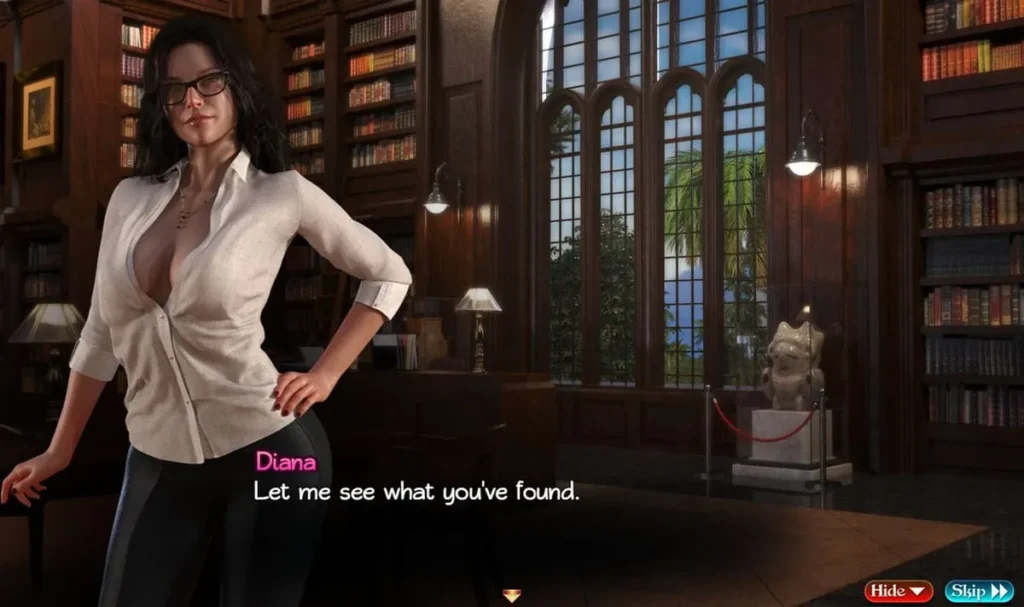
- Learn Gift Preferences. Not all gifts are created equal. Pay attention to character comments. Giving Diana a rare gem might get a polite thanks, but giving her a specific, common wildflower she admires can yield a much larger relationship boost and unlock unique dialogue.
- Sync Exploration with Social Goals. Before you head to a new area, check your active quests and relationship menus. If you need to impress someone who loves seashells, prioritize combing the beach. This turns aimless wandering into targeted, efficient exploration.
- Manage Your Saves Before Big Moments. 💾 The game offers choices during key interactions. Save before major story decisions or gift-giving opportunities. Some choices can permanently affect how a relationship develops or which ancillary events become available.
- Revisit “Completed” Areas After New Unlocks. Once you befriend an engineer-type character, suddenly all those broken mechanisms you passed earlier become solvable. Regular revisit loops are essential for finding everything.
Puzzle-Solving and Crafting Systems
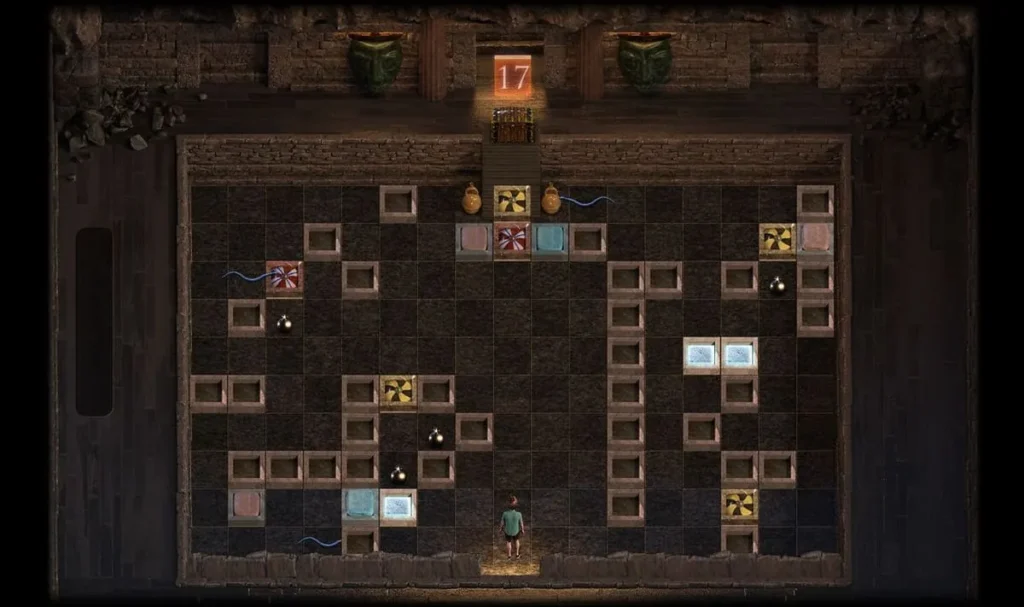
Now, let’s get our hands dirty with the tools of the trade. The puzzle solving gameplay in Treasure of Nadia is rarely about abstract brain-teasers. Instead, it’s deeply environmental and practical. You’re not solving a Sudoku; you’re figuring out how to divert water to wash away debris, or arranging symbols to open a sealed door, or combining chemicals to create a blast powerful enough to clear a rockslide. 🧩
This is where the crafting system guide becomes your bible. Your trusty crafting menu is the engine that turns exploration into progress. Found some sturdy vines and a rusty hook? Craft a grappling hook to access high ledges. Collected sulfur, charcoal, and saltpeter? Congratulations, you now have explosives. The system is intuitive: if you have the right components in your inventory, the recipe usually appears.
However, this is also where the game’s pacing can hit a snag. The Treasure of Nadia gameplay loop is simple and easy to understand, but the middle sections can feel grindy. You’ll often know what you need to do—e.g., “craft the machete to cut through the thicket”—but the game will send you on a fetch quest across three separate zones to find the handle, the blade, and the binding cord. This extends playtime and can test your patience, as travel is not instantaneous.
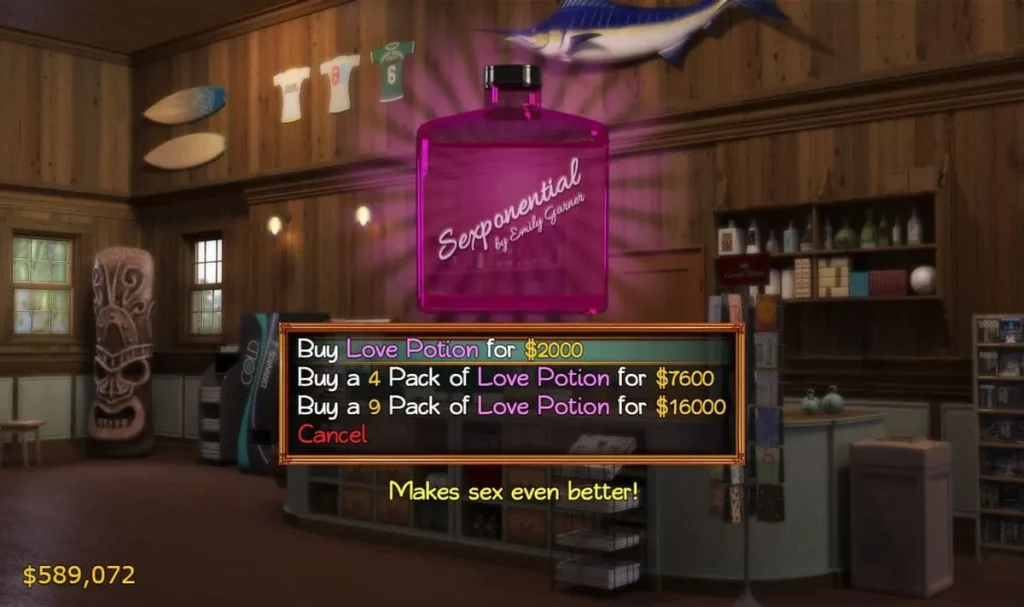
My practical advice? Embrace the backpacker mentality. 👷♂️ Never travel empty-handed. When moving from the Beach to the Jungle, check what resources are unique to each and haul them back and forth. Set up mini-goals: “This trip to the Cave, I’m collecting all the silver ore and mushrooms.” This turns mandatory backtracking into productive resource-gathering sessions. Also, regularly check the shopkeeper’s inventory; sometimes, you can buy a pesky common ingredient for a few coins and save yourself a twenty-minute foraging trip.
The balance here is between challenge and flow. The puzzles themselves are rarely difficult; the challenge comes from the logistics of gathering. For some, this meticulous collection is meditative. For others, it’s a hurdle. Knowing this going in lets you manage your expectations and strategize your Treasure of Nadia exploration mechanics to minimize downtime.
Map Navigation and Unlockable Areas
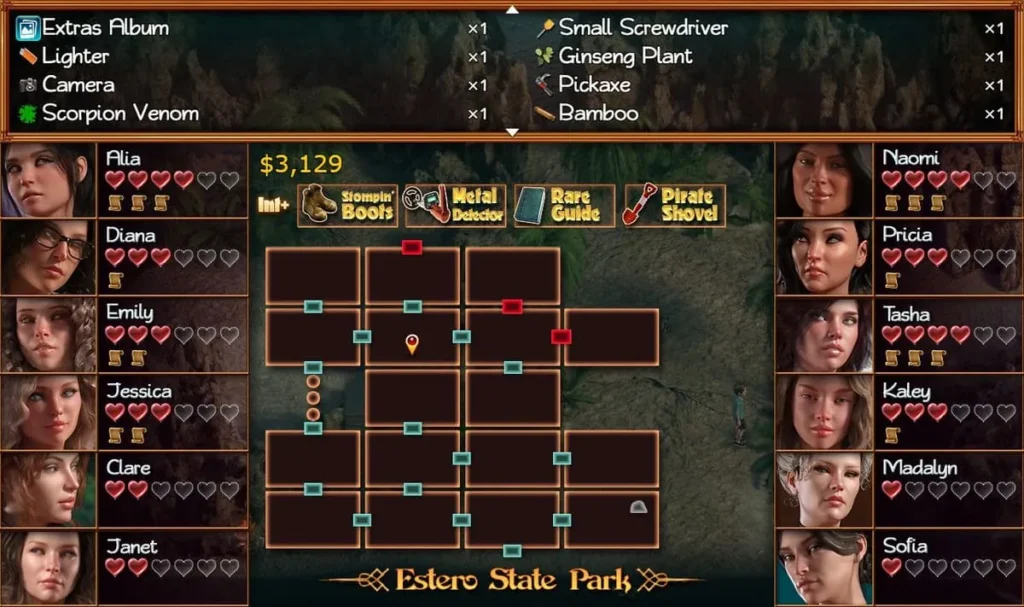
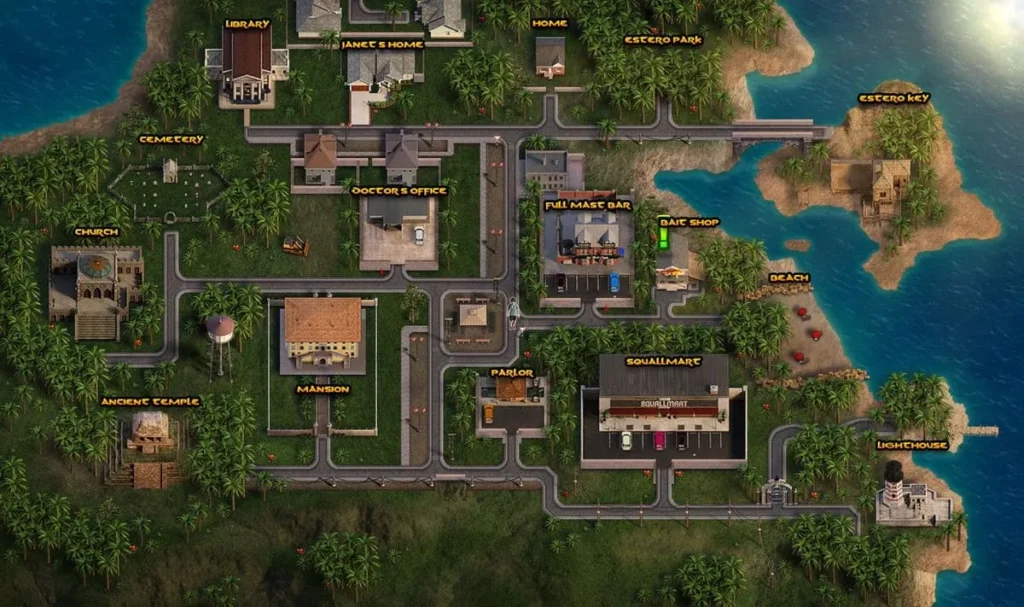
The map is your constant companion, but it’s also a living document of your social and exploratory progress. 🗺️ Effective map navigation tips are less about knowing where to go and more about understanding why you can’t go there yet. The world is a series of interconnected zones, each with multiple entry and exit points that are initially locked.
This is the ultimate expression of the game’s design: your social network is your fast-travel system. Befriending the fisherman might give you a boat ride to a remote island. Helping the town mechanic could get her to repair a broken cable car, linking two mountainous regions. These character relationship unlocks don’t just add scenes; they rewire the game’s geography, creating shortcuts and revealing entirely new zones brimming with secrets and, of course, more treasure.
The table below illustrates how deeply intertwined your social life is with your exploratory capabilities. It’s this design that gives the game its replayability value. On a second playthrough, you might focus on different characters first, unlocking areas in a completely different order and potentially discovering hidden events you missed before.
| Character | Relationship Level Required | Map Area / Shortcut Unlocked | Treasure or Key Benefit |
|---|---|---|---|
| Emily (Librarian) | Trusted Friend | Access to the Restricted Archives & the secret lever behind her bookshelf. | Ancient maps detailing the Sunken Grotto entrance and locations of several jewel caches. |
| Diana (Shopkeeper) | Close Confidant | Use of her private delivery network, opening up a fast-travel point between the Town and the Beach. | Ability to purchase rare crafting ingredients and a unique metal detector for finding buried artifacts. |
| Kaley (Mechanic) | Good Friends | Repair of the Cliffside Cable Car, connecting the Highlands to the Valley. | Access to the Old Mine, rich in precious gems and silver ore needed for high-tier crafts. |
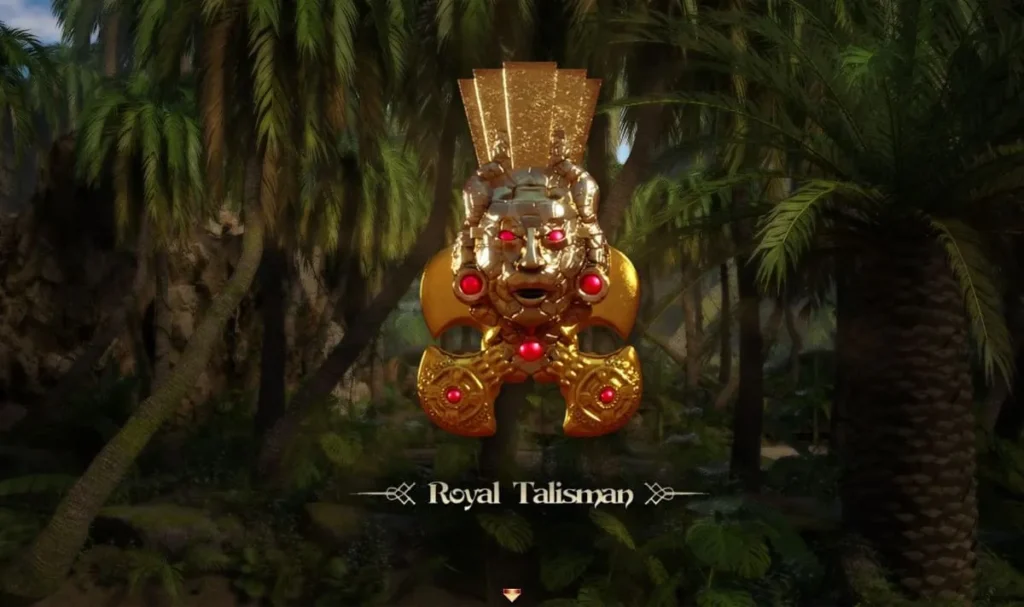
| Father Thomas | Respected Ally | Keys to the Catacombs beneath the Church. | The Holy Talisman artifact, essential for disabling ancient traps in later tomb raids. |
To navigate efficiently, always cross-reference your map with your relationship menu. See a blocked path on the eastern ridge? Check which character has ties to that area. Your map navigation tips should always be socially informed. Furthermore, when you unlock a new area, don’t just rush through. Scour it thoroughly. New areas often contain resources needed for the next tier of crafts or gifts for the next character you need to befriend, perpetuating that satisfying core loop.
Ultimately, the magic of Treasure of Nadia’s systems is how they make you feel like a real part of its world. Your success isn’t just measured in treasure chests opened, but in friendships forged and a community revitalized through your actions. The Treasure of Nadia gameplay loop of explore, craft, relate, and unlock is a testament to how puzzle solving gameplay and character relationship unlocks can fuse into a single, compelling adventure. So pack your bag, chat up the locals, and remember—sometimes the greatest treasure isn’t buried in the ground, but earned through trust and a willingness to help. ⛏️💖
Treasure of Nadia successfully merges substantive adventure gameplay with character-driven narratives, creating an experience that appeals to players seeking both intellectual challenges and emotional engagement. The game’s 30-50 hour playtime, combined with branching storylines and relationship-based progression systems, ensures significant replayability value. While occasional puzzle difficulty spikes and interface quirks present minor hurdles, the core experience delivers a carefully crafted world where exploration, character interaction, and strategic decision-making work together seamlessly. For players who value meaningful relationships alongside adventure gameplay, Treasure of Nadia offers a surprisingly deep journey that rewards curiosity and thoughtful engagement with its world and characters.