The Survival of Sarah Rose
Play The Survival of Sarah Rose
The Survival of Sarah Rose Screenshots


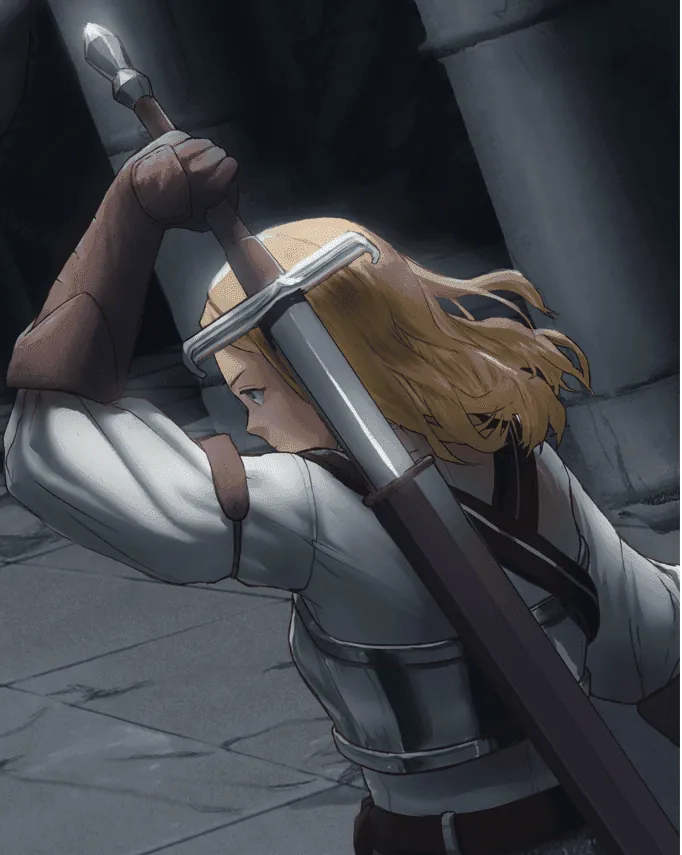
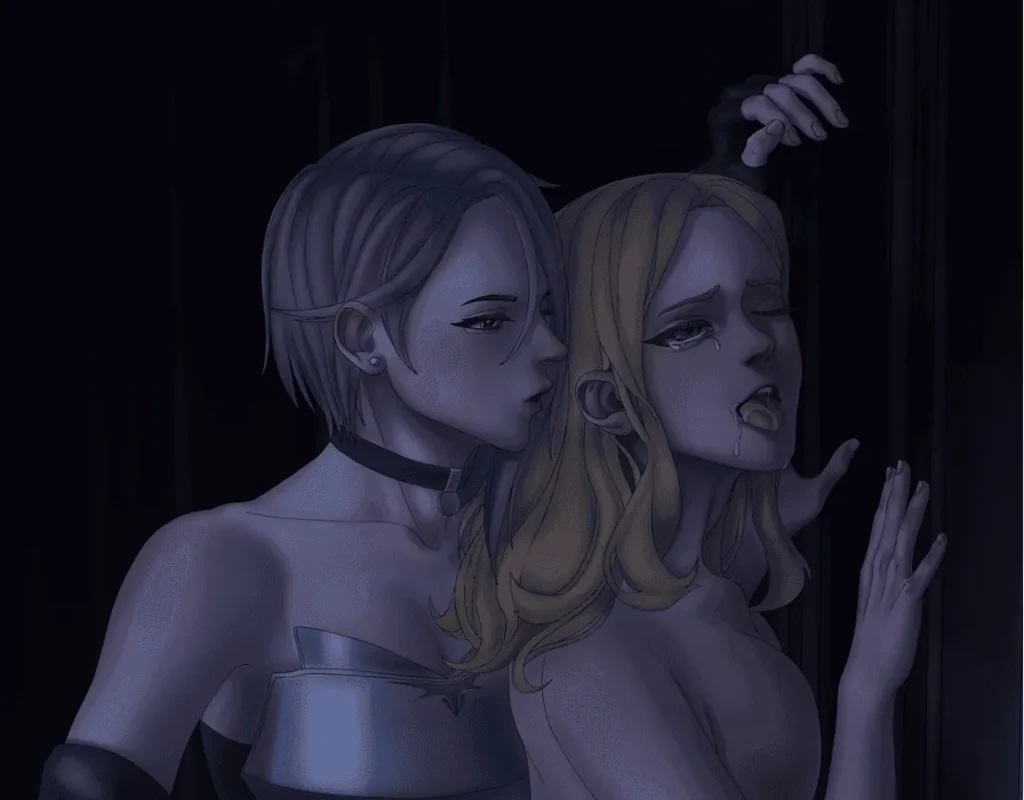

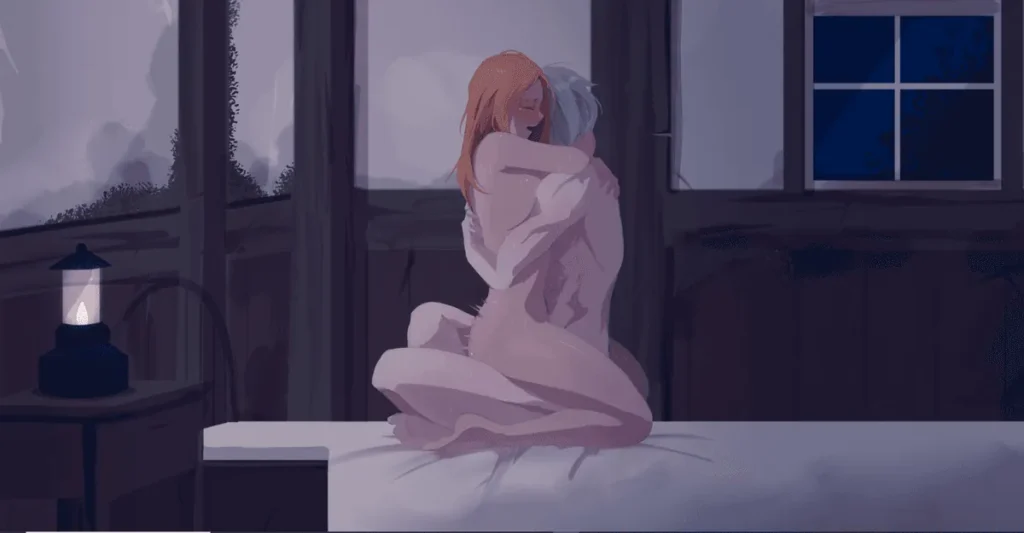






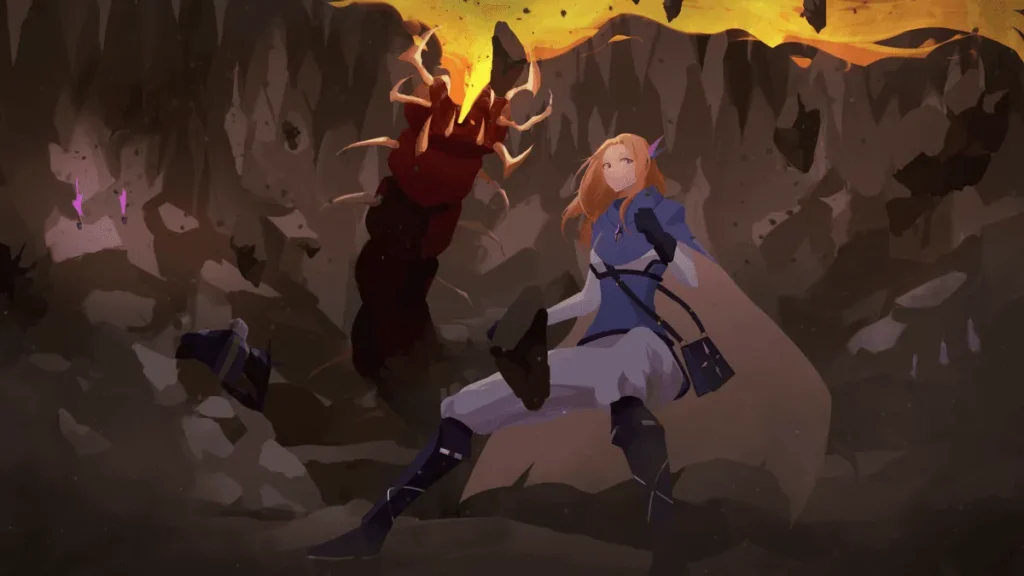
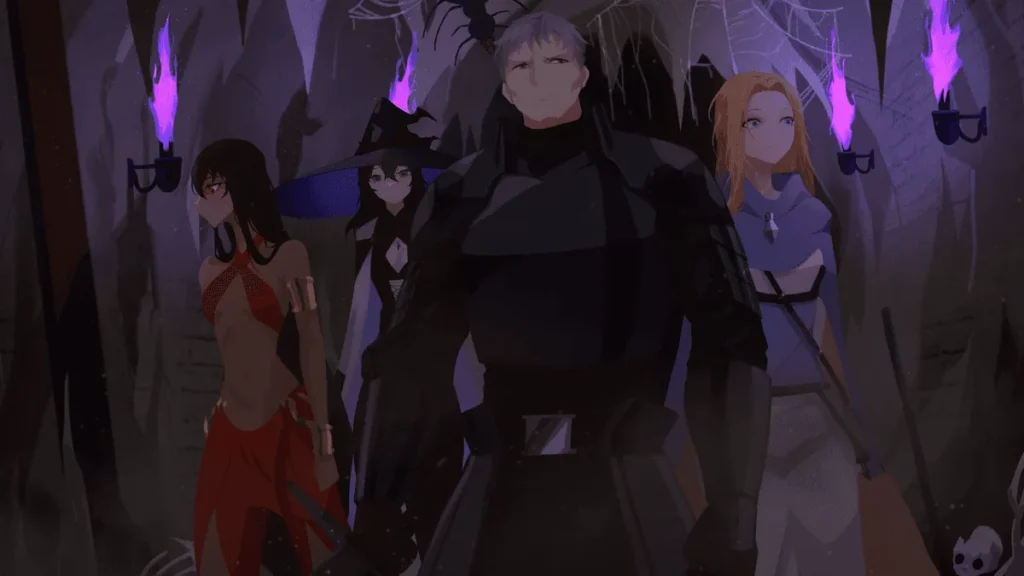

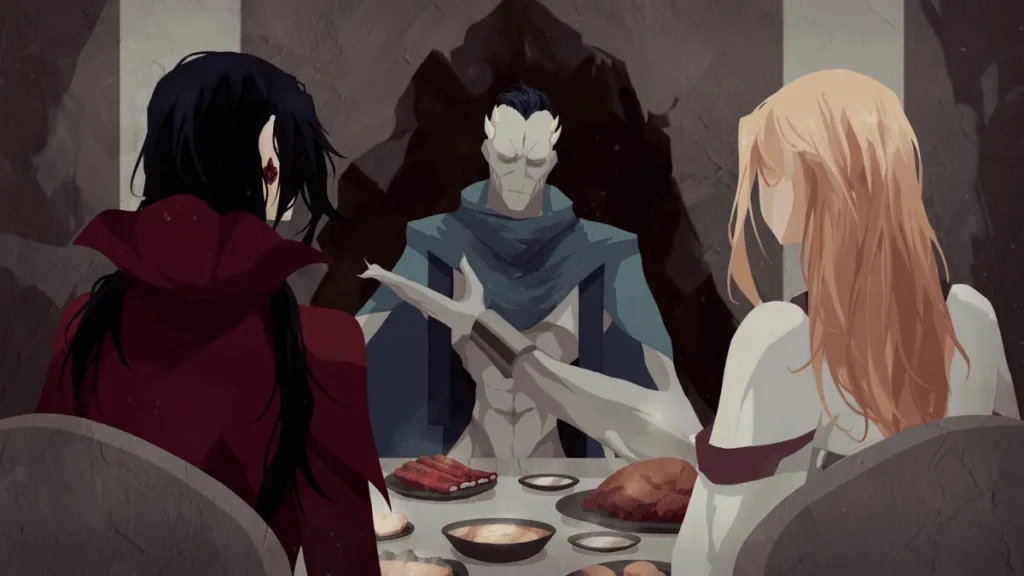
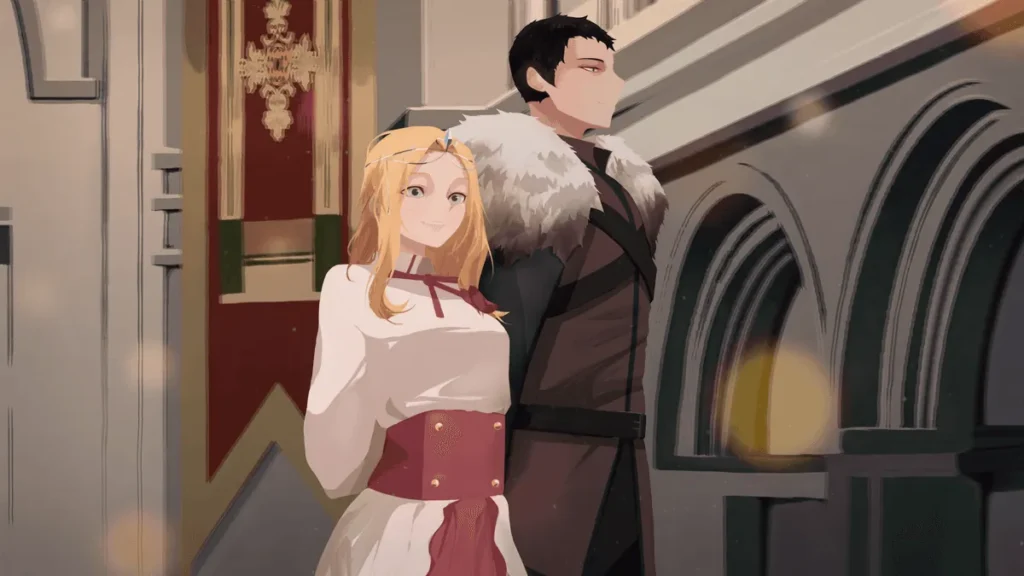

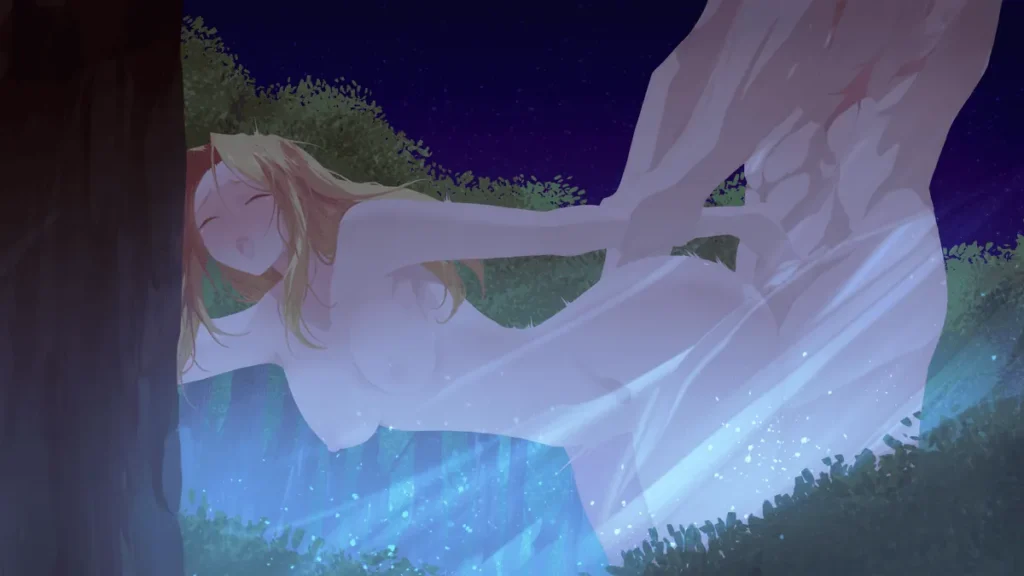
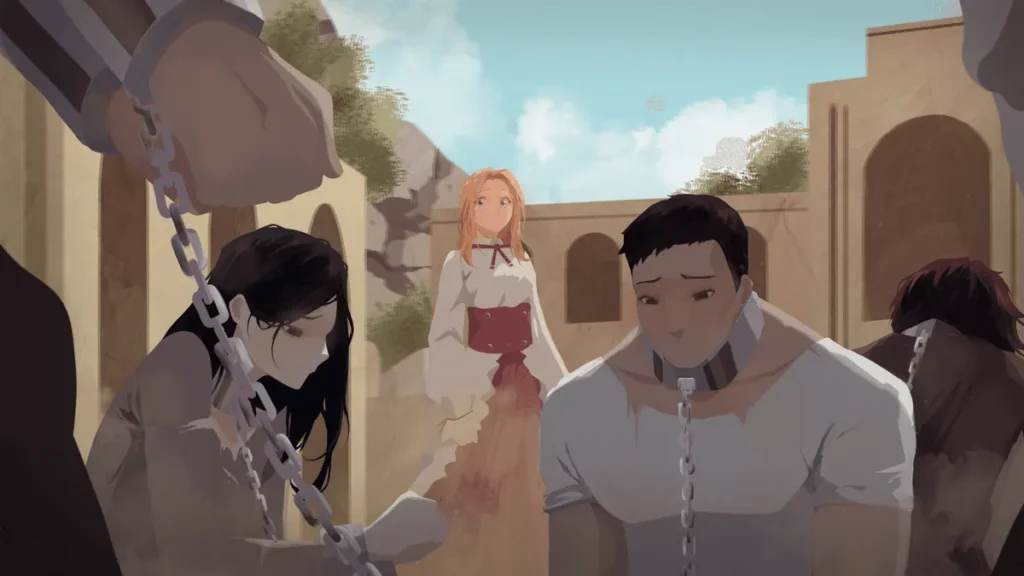








The Survival of Sarah Rose review
Exploring narrative depth, character routes, and what makes this visual novel stand out
The Survival of Sarah Rose has carved out a unique space in the visual novel community by successfully blending compelling storytelling with engaging gameplay mechanics. This game stands out for its multiple narrative routes, character-driven plot, and the ability to keep players invested in the story beyond surface-level content. Whether you’re curious about the different character paths, wondering what makes the narrative compelling, or looking to understand the gameplay systems, this guide covers everything you need to know about what makes The Survival of Sarah Rose a memorable experience for players seeking depth and meaningful choices.
Understanding The Survival of Sarah Rose: Story, Routes, and Character Development
Ever found yourself scrolling through endless visual novel listings, feeling like you’ve seen the same “ordinary person in a fantasy world” trope a hundred times? 🥱 You start a new game, and within an hour, you can predict every beat of the fantasy visual novel narrative. The chosen one gets a prophecy, gathers a party, and saves the world. It’s comfortable, but it’s not exactly thrilling anymore.
That’s exactly why The Survival of Sarah Rose hit me like a lightning bolt. This isn’t a story about predestined heroism; it’s a raw, personal account of desperation and agency in a beautifully harsh world. I went in expecting another pleasant fantasy romp and instead found a game that asked me difficult questions about morality, sacrifice, and identity. Its power lies in a single, brilliant premise: your interactive story choices matter not just for the ending, but for fundamentally defining who Sarah becomes from the very first chapter.
The core of The Survival of Sarah Rose story is elegantly simple yet profoundly impactful. You are Sarah Rose, a young woman who awakens in a dark forest with no memory, hunted by a terrifying beast. Your only goal is to survive the night. There’s no grand quest handed to you by a wise old wizard, no ancient bloodline to discover—just the primal urge to live. This initial, stripped-down objective is the seed from which every branch of this intricate interactive story choices matter ecosystem grows. Every decision you make, from how you scavenge for resources to whom you decide to trust, isn’t about advancing a plot so much as it is about building a person. Will you become cunning? Brutal? Scholarly? The game doesn’t tell you; it asks you, and then it builds the world around your answer. This is the heart of Sarah Rose character development, and it’s what makes this fantasy visual novel narrative so compellingly different.
### What Is The Survival of Sarah Rose and Why Does It Matter?
So, what sets this game apart in a sea of similar titles? It’s the utter commitment to consequence and identity. Many games pay lip service to the idea that “your choices shape the story,” but here, it’s the entire architecture of the experience. The Survival of Sarah Rose is a masterclass in integrated design, where the visual novel routes gameplay is inseparable from the narrative and character growth.
From that first, frantic choice—do you hide, run, or try to fight the beast?—the game begins charting your course. These early decisions gently nudge you toward one of three primary character routes and paths, each representing a core survival strategy and, by extension, a core aspect of Sarah’s re-forged identity. This isn’t a simple menu selection of “What class do you want to be?” It’s an organic emergence of character based on your instinctual responses to crisis. The brilliance is that you often don’t even realize you’ve chosen a “route” until you’re already deep in it, fully committed to the person Sarah is becoming.
The world itself, a continent called Aethelgard, is a character in its own right. It’s a place of deep magic, political intrigue, and ancient conflicts, but you experience it through the extremely narrow, personal lens of Sarah’s struggle. You learn about the Mage’s Conclave not through a history book, but because you desperately need their knowledge to understand the magical energies suddenly coursing through you. You learn about the warrior clans not through legend, but because you need their training to physically withstand the horrors chasing you. This grounded perspective makes the fantasy visual novel narrative feel immediate and real. The stakes aren’t about saving the world; they’re about saving yourself, and in doing so, you inevitably get tangled in the world’s fate. This creates a powerful intimacy that epic tales often lack.
Ultimately, The Survival of Sarah Rose matters because it respects your intelligence and your time. It understands that true engagement comes from authorship. You’re not watching Sarah’s story; you are, in every meaningful sense, writing it. The multiple endings visual novel format isn’t a gimmick here—it’s the natural conclusion of a thousand small decisions, a final report card on the person you built through a cascade of meaningful choices. It’s a game that trusts you with its protagonist completely, and that’s a rare and wonderful thing. ✨
### Exploring Multiple Routes: The Mage, Warrior, and Crime Paths
The soul of The Survival of Sarah Rose story lives in its branching paths. Unlike games where you simply pick a faction, your route here is a culmination of philosophy, instinct, and skill. Let’s break down the three primary character routes and paths that define the visual novel routes gameplay. Remember, these aren’t just different stories; they are different Sarahs.
The Mage Route: Power Through Knowledge 🔮
This path unlocks if your choices favor curiosity, puzzle-solving, and a willingness to engage with the strange, arcane forces swirling around Aethelgard. Sarah’s character development here is intellectual and introspective. She becomes a scholar of survival, seeking to understand the magic that seems tied to her amnesia and the beast. This route delves deep into the lore of the world, the nature of the soul, and the price of forbidden knowledge. You’ll interact heavily with characters like Alaric, a reclusive and brilliantly sharp elven archmage who becomes a reluctant mentor. His own character development is a highlight, as he shifts from seeing Sarah as a fascinating specimen to a genuine, if frustratingly reckless, protégé. His stern exterior slowly cracks to reveal a deep well of guilt and protective instinct, making his arc one of the most emotionally rewarding in the game. The Mage path is for players who believe that understanding a problem is the first step to conquering it.
The Warrior Route: Strength Through Will ⚔️
Chosen by favoring direct action, physical courage, and resilience, this path forges Sarah in fire and blood. Her Sarah Rose character development is about physical mastery and unwavering resolve. She learns that her body and will can be the ultimate weapons. This route is grittier, focusing on combat discipline, tribal honor codes, and the harsh beauty of the wilds of Aethelgard. You train with gruff mentors who value strength and action over words, and the narrative pulses with the tension of immediate physical danger. Interestingly, this path has poignant intersections with the Mage route, particularly regarding Alaric. In one of my playthroughs, my Warrior Sarah encountered him not as a student, but as a protector when his research went dangerously awry. His intellectual arrogance clashed spectacularly with her practical brutality, creating a dynamic full of sparks and unexpected mutual respect. These cross-route encounters are genius, showing how the same characters can play completely different, yet equally valid, roles in your story.
The Crime Route: Survival Through Cunning 🎭
The most morally ambiguous and thrilling path is born from choices prioritizing stealth, deception, and pragmatic (often ruthless) opportunism. This Sarah’s character development is a journey into shades of gray. She becomes a creature of the shadows, learning that in a world of powerful mages and warriors, a sharp mind and a sharper knife can be great equalizers. This route explores the underworld of Aethelgard’s cities, full of smugglers, informants, and power brokers. It’s a narrative of alliances forged in back alleys and broken just as quickly. The fantasy visual novel narrative here feels uniquely personal and dangerous, as you navigate webs of betrayal where trust is the most expensive currency. This path is infamous for having some of the most shocking and poignant multiple endings visual novel outcomes, as Sarah’s compromises and sacrifices come home to roost.
To visualize the core differences, here’s a breakdown of these central character routes and paths:
| Route | Story Focus & Philosophy | Key Characters & Dynamics | Unique Gameplay Features |
|---|---|---|---|
| Mage 🔮 | Knowledge as power. Understanding the arcane roots of the crisis. Themes of responsibility, curiosity, and the corruption of wisdom. | Alaric (mentor, complex father-figure), the Conclave scholars. Dynamics are intellectual, based on debate and discovery. | Spell-crafting puzzles, lore deciphering mini-games, managing magical corruption/resonance. |
| Warrior ⚔️ | Will as power. Enduring and overcoming through physical and mental fortitude. Themes of honor, sacrifice, and primal strength. | Garroth (stern trainer), tribal chieftains. Dynamics are based on respect earned through action and proven courage. | Tactical combat stances, endurance/survival challenges, training montage sequences that boost stats. |
| Crime 🎭 | Cunning as power. Manipulating systems and people to survive. Themes of morality, trust, and the cost of freedom. | Silas (shadowy fence/mentor), rival guild leaders. Dynamics are transactional, fraught with tension and potential betrayal. | Social persuasion checks, stealth sequences, heist-style planning and execution phases. |
The magic of the visual novel routes gameplay is that these paths aren’t watertight. Clever players can hybridize, blending, for example, a Mage’s knowledge with a Criminal’s pragmatism, leading to wildly unique outcomes. This flexibility ensures that the interactive story choices matter on a granular level, making every playthrough a distinct exploration of a possible Sarah.
### Character Depth: Why Players Stay for the Story
You can have the best branching systems in the world, but if the characters feel like cardboard cutouts, no one will care about the outcomes. This is where The Survival of Sarah Rose ascends from great to unforgettable. Players don’t just replay for the multiple endings visual novel checklist; they replay to spend more time with these people and to see how different versions of Sarah change those relationships. As one player perfectly put it:
“I started playing for the obvious reasons—the art is stunning and the premise hooked me. But I stayed for Alaric’s sigh that sounds both annoyed and fond, and for the way the blacksmith remembers if you were kind to her apprentice three chapters earlier. I’m on my fifth playthrough, and I’m still finding new layers in conversations I thought I had memorized. I’m not playing for ‘the plot’; I’m playing for their plots.”
This testimonial captures the heart of the experience. The Sarah Rose character development is the sun around which all other character orbits revolve, and each orbit is beautifully detailed.
The Mirror of NPCs: Sarah’s transformation is reflected and amplified by the non-player characters. An NPC who is helpful and open to a curious, polite Mage-Sarah might be cold and distrustful of a grim, scarred Warrior-Sarah. A Crime-Sarah might be able to blackmail that same NPC into cooperation. Characters remember your significant actions, and their dialogue, tone, and even available options shift subtly. This reactive world makes your interactive story choices matter in a deeply social way. You’re not just changing stats; you’re changing your entire social footprint in Aethelgard. Watching a character like the idealistic city guard, Kaelen, either become your staunch ally, your bitter enemy, or a tragic casualty based on your path’s philosophy is a narrative punch no single-story game can deliver.
The Allure of Alaric & Complex Relationships: Let’s talk about the elf in the room. Alaric’s popularity isn’t just about a pretty character portrait (though it doesn’t hurt!). It’s about the depth of his character development, which is intrinsically tied to your route. In the Mage path, you see his brilliance, his loneliness, and his paternal care war with his fear of repeating past mistakes. In the Warrior path, you might see his strategic mind and a grudging admiration for a strength he himself lacks. In the Crime path… well, you might just become the problem he needs to ruthlessly solve. He is a different man for each different Sarah, and exploring those facets is a huge driver for replay. He embodies the game’s core principle: relationships are not fixed narratives, but dynamic systems shaped by who you choose to be.
The “Play for the Plot” Phenomenon: Yes, the game has beautiful character art, and that certainly draws initial attention. But to say players only “play for the plot” is to massively undersell the experience. They stay for the narrative cohesion. The romantic and emotional payoffs feel earned because they are direct results of your cultivated relationship stats and key choices. A love scene isn’t a reward for picking the right dialogue options in a single scene; it’s the culmination of a shared journey of survival, trust, and mutual growth. The story and the relationships are the gameplay. The balance is perfect because they are one and the same.
The Compulsion to Replay: This brings us to the ultimate triumph of The Survival of Sarah Rose story. You replay not to see a “good” versus “bad” ending, but to answer “what if?” What if I trusted this person instead of that one? What if I embraced magic instead of fearing it? What if my Sarah was selfish instead of selfless? The fantasy visual novel narrative provides a rich, consistent sandbox to explore these questions. Each route has its own tone, climax, and philosophical conclusion about survival and humanity. Discovering how the pieces of Aethelgard’s grand mystery fit together from these three wildly different angles is a puzzle in itself, and it makes the world feel vast and real.
In the end, The Survival of Sarah Rose stands out because it understands that the most compelling fantasy isn’t about world-ending dragons; it’s about the human (or elven, or otherwise) heart under pressure. It gives you the tools to sculpt a character in real-time, surrounds her with a world that reacts in believable ways, and never judges you for the path you take. It simply shows you the consequences, beautiful or tragic. That honest, player-driven Sarah Rose character development within a rich fantasy visual novel narrative is why we keep coming back, playthrough after playthrough, forever wondering about the survival of all the other Sarah Roses we left on the road not taken.
The Survival of Sarah Rose demonstrates that visual novels can successfully balance multiple elements to create a memorable gaming experience. The game’s strength lies in its commitment to meaningful storytelling, character development that evolves based on player choices, and the ability to offer genuinely different narrative experiences across multiple routes. Players consistently highlight the surprising depth of the narrative and how the game manages to be engaging beyond its surface appeal. Whether you’re drawn to the fantasy setting, the character-driven storytelling, or the satisfaction of making choices that genuinely impact the narrative, The Survival of Sarah Rose offers a rich experience worth exploring. If you’re considering diving into this visual novel, approach it with an openness to multiple playthroughs—each route reveals new layers to the story and character relationships that make the experience increasingly rewarding.