
The Arson Betrayal
Play The Arson Betrayal
The Arson Betrayal Screenshots



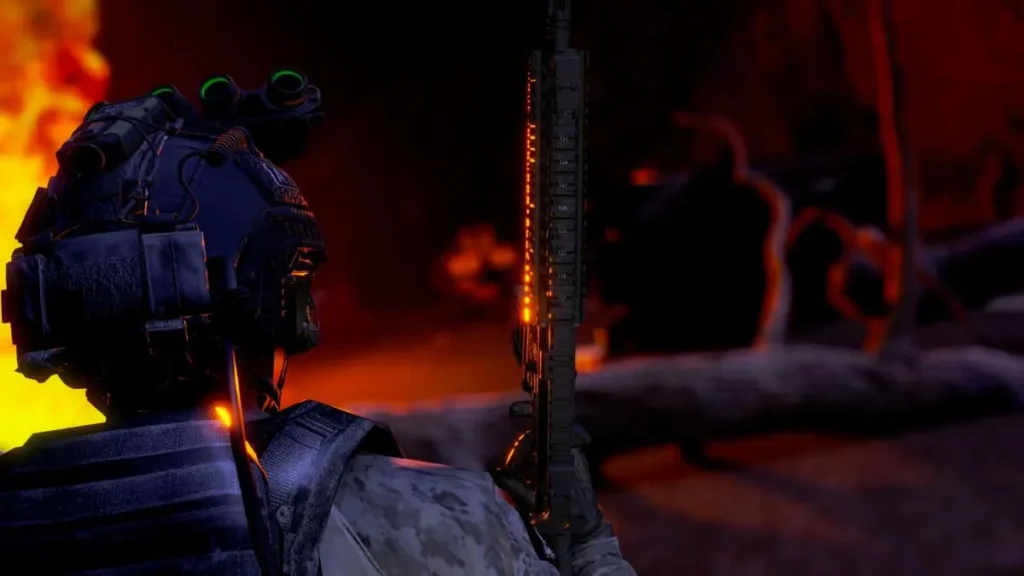

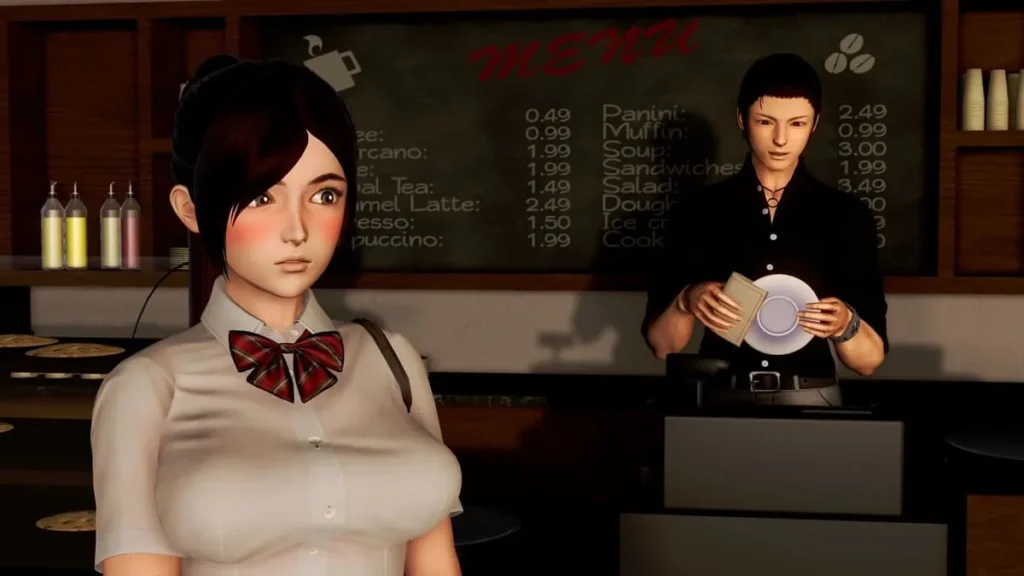


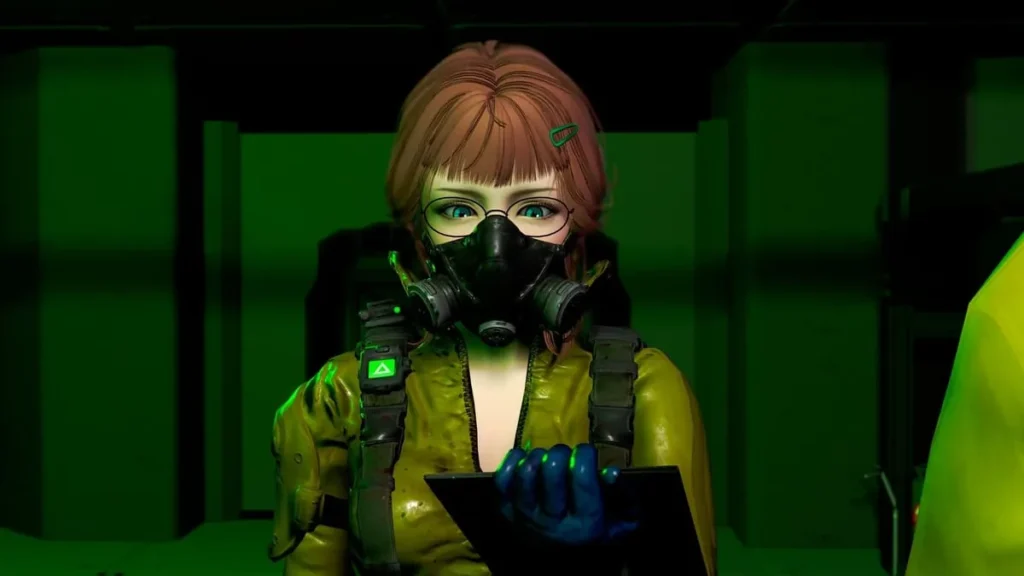



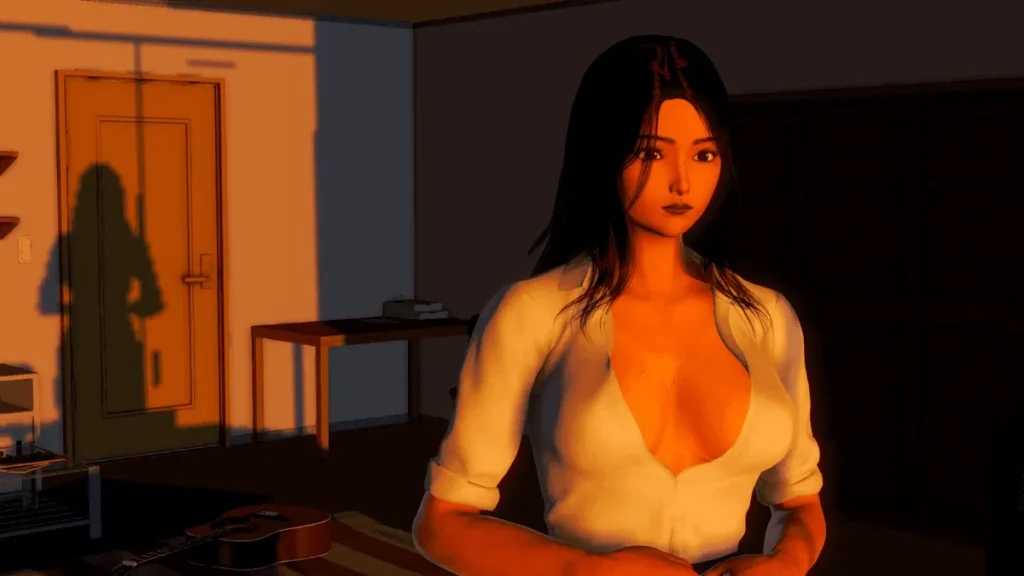








The Arson Betrayal review
An in-depth look at The Arson Betrayal — story, mechanics, and player strategies
The Arson Betrayal is a narrative-driven indie game that places you in the role of a struggling protagonist drawn into a conspiracy in Ablesmith City, and this article unpacks the game’s story, mechanics, and player choices. In this guide I’ll share hands-on impressions, practical tips for navigating key scenes, and notes about current builds and platforms to help you get the most from The Arson Betrayal. Whether you’re considering trying the game or already playing, read on for a detailed, player-focused walkthrough and actionable advice.
Story and Setting: What Happens in The Arson Betrayal?
You’re just trying to get by. You serve overpriced coffee to people who don’t see you, you count every dollar, and you dream of a way out. This is the brutally relatable start of The Arson Betrayal story, a narrative that masterfully pulls you from mundane reality into a heart-pounding conspiracy. You step into the worn-out shoes of Leo Comerford (or a name of your choosing), a low-income barista in the sprawling, rain-slicked metropolis of Ablesmith City. Your goals are simple: work, save, escape. But in this world, simplicity is a luxury you can’t afford. A single, seemingly chance encounter in the café spirals into a web of lies, betrayal, and violence that will force you to question every face in the crowd and every offer of help.
“In this city, a secret is just a truth waiting to burn someone. You’re holding the match now. The question is, who are you going to light up?”
This line, delivered by a shadowy figure in a late-game confrontation, perfectly captures the oppressive, morally ambiguous tone you’ll navigate. You’re not a superhero or a chosen one; you’re a person in over their head, making desperate choices with real consequences. Let’s dive into the world that makes this conspiracy plot indie game so gripping. 🔥
Main Premise and Protagonist
The core of The Arson Betrayal is a brilliant subversion of power fantasy. You are Leo Comerford, and you are powerless—at first. The game establishes your routine with almost painful clarity: the early alarm, the long bus ride to the “Steamy Bean” café in a less-than-savory part of Ablesmith City setting, and the polite smile you wear for customers who treat you like furniture. The genius of this setup is how much you invest in Leo’s ordinary dreams. Saving for college isn’t a backstory bullet point; it’s a meter you check, a choice between buying a textbook or a decent meal. This makes the inciting incident feel like a personal violation, not just a plot trigger.
For me, it happened on a rainy Tuesday in-game. A nervous-looking regular, someone I’d served a dozen times without a second thought, slid a data-drive across the counter with a whispered, “They’re not who you think.” Before I could process it, he was gone, and two severe-looking people in sharp suits entered, asking questions. My first instinct as a player wasn’t “cool, spy stuff!”—it was genuine panic for Leo. My tips were in that jar. My apartment was a mess. I did not have time for this! That moment redefined the protagonist for me. Leo isn’t a vessel; he’s you, fragile and wholly unprepared, which makes every subsequent brave (or cowardly) decision feel earned and deeply personal.
The conspiracy you uncover isn’t about saving the world; it’s about surviving a city that’s already broken. A powerful syndicate, simply called “The Trust,” controls everything from street-level crime to city hall, and they’ve framed a series of devastating arson attacks on community centers to spark a gang war and clear neighborhoods for their own profit. Leo, by pure, rotten luck, has evidence of it. Now, you must decide who to trust with that evidence, all while managing the crumbling remnants of your normal life. Will you become a pawn for one faction to overthrow another? Or will you try to burn the whole corrupt system down yourself? The game narrative choices you make directly answer that.
Key Characters and Motivations
In a story about trust and betrayal, every character is a potential ally or a hidden knife in the dark. Your relationships aren’t defined by fixed loyalty meters but by layered conversations, fulfilled (or broken) promises, and the secrets you choose to share or withhold.
| Character | Role & Motivation | How Your Choices Pivot Their Arc |
|---|---|---|
| Maya Voss | A tenacious, independent journalist investigating the fires. She wants the truth at any cost, believing the public has a right to know. | You can feed her information to help her expose The Trust, making her a powerful public ally. Or, you can betray her location to gain favor with the syndicate, leading to her being “silenced.” Her fate is a direct result of your **moral ambiguity in games**. |
| Detective Aris Thorne | A worn-down cop with a seemingly clean record. He offers official protection and resources, urging you to work within the system. | Is he a genuine honest cop in a corrupt city, or is he a sophisticated plant from The Trust? Your level of cooperation with him unlocks entirely different branches of the investigation. Sharing the wrong piece of evidence can end your game early. |
| “Rook” | The enigmatic leader of a grassroots resistance group fighting The Trust’s encroachment. Charismatic but radical, believing the system is too rotten to save. | You can embrace Rook’s militant methods, which opens up missions involving sabotage and direct confrontation. Alternatively, you can reject their violence, which may turn them against you as an obstacle to their revolution. |
| Elara Comerford | Leo’s younger sister, a college student oblivious to the danger. She represents the “normal life” you’re fighting to protect. | How much you involve (or lie to) Elara is a constant, heart-wrenching choice. Keeping her in the dark protects her but strains your relationship. Bringing her in makes her a target but gains you a clever, loyal ally. Her safety is never guaranteed. |
These characters don’t exist in vacuums. Agreeing to a clandestine meeting with Maya might cause Thorne to distrust you. Taking a payment from one faction to cover rent will be noticed and held against you by another. The game narrative choices in The Arson Betrayal are less about picking a “side” and more about constantly balancing survival, morality, and the few personal connections you have left.
Themes and Narrative Tone
If I had to describe the atmosphere of The Arson Betrayal in one word, it would be saturated. 🏙️ The Ablesmith City setting is saturated with neon reflections in endless puddles, with the grime of inequality, and with a constant, low-humming anxiety. This is a modern, urban noir. The tone isn’t just dark; it’s weary. The soundtrack is a mix of synth-wave and ambient rain, punctuated by moments of stark silence that feel more threatening than any music.
The central theme is the cost of truth. In most games, uncovering the conspiracy is the win condition. Here, it’s just the start of your problems. What do you do with the truth? Sell it? Weaponize it? Release it and watch the city tear itself apart in the chaos? The game forces you to sit with the uncomfortable reality that sometimes, exposing a lie can cause more immediate harm than letting it fester.
Survival vs. Morality is your constant battle. Do you steal from a struggling local shopowner to buy a lockpick for a crucial mission? Do you frame a minor, corrupt official to distract The Trust from your sister? The game refuses to give you a clear “paragon” or “renegade” path. Every “good” choice has a tangible cost, and every “bad” choice offers a tangible, often desperately needed, reward. This is moral ambiguity in games done right—it doesn’t judge you, but it ensures you feel the weight of every decision.
Another powerful theme is the illusion of trust. In a city built on betrayal, every handshake is a risk. The narrative brilliantly plays with your paranoia as a player. That character who helped you in the first act could be genuinely kind, or they could be playing a very long game. You’ll find yourself saving before conversations, not because of difficulty, but because you’re afraid of the relational consequences.
So, who will love The Arson Betrayal story? If you crave narratives where you play as the powerful, this might frustrate you. But if you love character-driven stories like Disco Elysium or the tense, personal stakes of a thriller like Watch Dogs, you’ll be enthralled. It’s for players who want to feel the grit of a city and the fragility of their avatar, who relish replaying a game not just to see a different ending, but to live a different, equally valid moral life.
Practical Advice for Navigating the Narrative:
- Talk to Everyone, Repeatedly: Dialogue options update after every major event. That surly bartender might have new info after a fire hits his neighborhood.
- Manage Your “Normal Life”: Don’t ignore your job or your sister’s calls. These aren’t minigames; they are core narrative pillars. Running out of rent money can force you into desperate, story-altering deals.
- Embrace the Ambiguity: Don’t reload a save just because a choice had a negative outcome. The most powerful The Arson Betrayal story moments come from living with your mistakes and adapting to the new, messier world you’ve created.
- Document Everything: The game’s internal case board is your best friend. Pin every clue, and watch how the connections (and suspicions) between characters shift.
Story Milestones to Watch For (No Spoilers):
- The First Trade: The moment you first barter truth for personal gain or safety.
- The Broken Promise: When you inevitably have to break a vow to a key character to survive.
- The Safehouse Decision: A late-game choice that forces you to physically choose who you will protect, abandoning others to an uncertain fate.
- The Final Match: The culmination of all your choices, determining what, if anything, is left standing after the smoke clears.
Ultimately, The Arson Betrayal isn’t about being a hero who unravels a conspiracy. It’s about being a person who gets caught in its gears, and what you’re willing to break—others, your morals, or yourself—to claw your way back out. It’s a challenging, unforgettable experience that stays with you long after you put the controller down. 🕯️
The Arson Betrayal combines a tense, choice-driven narrative with mechanics that reward careful saves and deliberate role choices; understanding its story beats, relationship systems, and current distribution options will help you shape the outcomes you want. Use the installation and troubleshooting tips to get started quickly, employ the save and replay strategies to explore alternate branches, and apply the character-focused advice when pursuing deep arcs. If you enjoyed the insights here, try a focused replay using the save techniques described above and share your experience with the developer or community to help shape future updates.