Strangers on Paper
Play Strangers on Paper
Strangers on Paper Screenshots








Strangers on Paper review
Discover thrilling choices, hidden stories, and immersive gameplay in this captivating tale
Ever stumbled upon a game that pulls you into a web of past connections and tough decisions? Strangers on Paper hooked me from the first choice, blending heartfelt reconnection with unexpected twists. This visual novel lets you navigate relationships from your history through branching paths that feel deeply personal. I remember my initial playthrough—heart racing as I uncovered secrets that changed everything. If you’re into story-driven adventures where your picks shape the outcome, Strangers on Paper delivers edge-of-your-seat engagement. Let’s dive into what makes this gem stand out, from core mechanics to pro tips for the best endings.
What Makes Strangers on Paper a Must-Play Visual Novel?
I still remember the night I first booted up Strangers on Paper. It was a rainy evening, and I was scrolling through new releases, looking for something to sink into. The title caught my eye—it sounded lonely, intriguing, like finding a forgotten letter. A few hours later, I was completely lost in its world, my own past regrets and curiosities bubbling to the surface as I navigated its delicate story. That’s the magic of this experience. At its heart, what is Strangers on Paper about? It’s a profound narrative journey about the echoes of our past and the fragile, often terrifying, act of reaching back out.
This isn’t just a story you watch; it’s one you live through your decisions. The core of the Strangers on Paper gameplay loop is a masterful blend of introspection and consequence. You play as someone returning to a hometown (or a digital space that feels like one), confronted by faces from your history. The central promise—and it delivers spectacularly—is that every dialogue option, every remembered detail, and every silent pause actively shapes your relationships and, ultimately, your destiny. To call it a visual novel feels almost reductive; it’s an emotional simulator where your cursor holds the weight of memory.
How Does the Story Unfold Through Your Choices? 🧩
The genius of the Strangers on Paper story choices system is how it mirrors real-life social anxiety and hope. There are no obvious “good” or “evil” paths. Instead, you’re constantly choosing between vulnerability and self-preservation, curiosity and comfort, forgiveness and holding a grudge. This creates immense replay value, as you’ll be desperate to go back and see how a different tone or a single withheld secret alters the entire tapestry of the narrative.
Major decision points aren’t always grand gestures; sometimes, they’re quiet and devastating. Here are a few that permanently altered my playthroughs:
* The Initial Reunion Tone: Do you approach an old friend with open warmth, cautious neutrality, or masked resentment? This sets the entire emotional frequency for that route.
* To Forgive or Confront: When a character reveals a past betrayal, do you prioritize healing the friendship or demand accountability, even if it burns the bridge?
* Sharing Your Own Wounds: When probed about your own reasons for leaving, do you share the painful truth, offer a polite fiction, or shut the conversation down completely?
* The Risk of Romance: With characters where there’s a spark, do you lean into the potential for something new, or honor the complicated history by keeping it platonic?
* Intervening in Old Conflicts: When two characters from your past are at odds, do you mediate, pick a side, or decide their drama is no longer your burden?
Each of these branches spirals outwards, locking and unlocking scenes, dialogues, and ultimately, determining which of the best Strangers on Paper endings you will earn. The game brilliantly tracks more than just plot flags—it tracks emotional closeness, trust levels, and unresolved tension.
To give you a clearer picture of how these pivotal moments lead to vastly different conclusions, here’s a look at some of the key narrative outcomes:
| Ending Name | Key Choices Required | Outcome Summary | Replay Value |
|---|---|---|---|
| “Full Circle” | Prioritize honest communication with all characters; choose forgiveness over blame; share your own vulnerabilities. | A bittersweet but hopeful resolution where past wounds are acknowledged, leading to healthier, redefined connections for the future. | High – Requires consistent, nuanced role-playing across all relationships. |
| “The Clean Break” | Maintain emotional distance; focus on closing chapters from the past; avoid romantic entanglements. | A solitary, introspective conclusion where you find peace by leaving the past firmly behind, often without deep reconciliation. | Medium – A compelling path for those seeking a more independent narrative. |
| “Buried Secrets” | Withhold critical information; side with characters based on convenience; avoid confronting major revelations. | An unstable ending where superficial harmony is achieved, but lies and omissions guarantee future tension is just beneath the surface. | Low (but fascinating) – Offers a dark look at the cost of avoidance. |
| “One True Reconnection” | Focus all your emotional energy on a single character; make choices that deepen that bond exclusively, often at the expense of others. | A deeply personal, often romantic, conclusion that forges one incredibly strong new bond while other relationships fade or fracture. | Very High – Encourages dedicated routes for each central character. |
Key Characters and Their Backstories Revealed 👥
The soul of any great visual novel lies in its cast, and the Strangers on Paper characters are some of the most authentically written I’ve encountered. They feel less like archetypes and more like people you actually knew—flawed, layered, and carrying their own silent burdens.
- Leo, The Childhood Anchor: Your once-best friend, now seemingly adrift. Leo represents the comfort of shared history. His route explores the grief of growing apart and asks if a foundation built in childhood can support the weight of adult complexities. His secret often involves a promise he couldn’t keep.
- Maya, The Burned Bridge: A fiery, ambitious ex-friend (or perhaps more) where things ended in a spectacular argument. Reconnecting with Maya is a high-risk, high-reward game of emotional chess. Her backstory usually centers on a perceived betrayal, and whether it was a misunderstanding or a fundamental difference in values.
- Sam, The Quiet Observer: Often a sibling of a friend or a peripheral figure who observed your group from the edges. Sam’s path is surprising, full of gentle revelations and insights about the past you never noticed. Their story is about the power of being seen by someone you never truly looked at.
- Alex, The Success Story: The one who seemingly got out and achieved everything they wanted. Reconnecting with Alex dismantles the perfect facade, exploring themes of envy, the loneliness of success, and the things they sacrificed to get where they are.
I formed a particularly deep connection with Maya. In my first playthrough, my own defensive pride mirrored hers, and we clashed into a “Buried Secrets” ending that left me empty. On my second try, I chose the vulnerable options—admitting my own role in our fallout. The story unfolded into a raw, cathartic sequence where we finally aired years of resentment. It didn’t magically fix everything, but it led to the “Full Circle” ending, a resolution that felt earned and real. It was a powerful case study in how the Strangers on Paper gameplay forces you to confront not just digital characters, but your own instincts.
Why the Art Style Draws You In Deeper 🎨
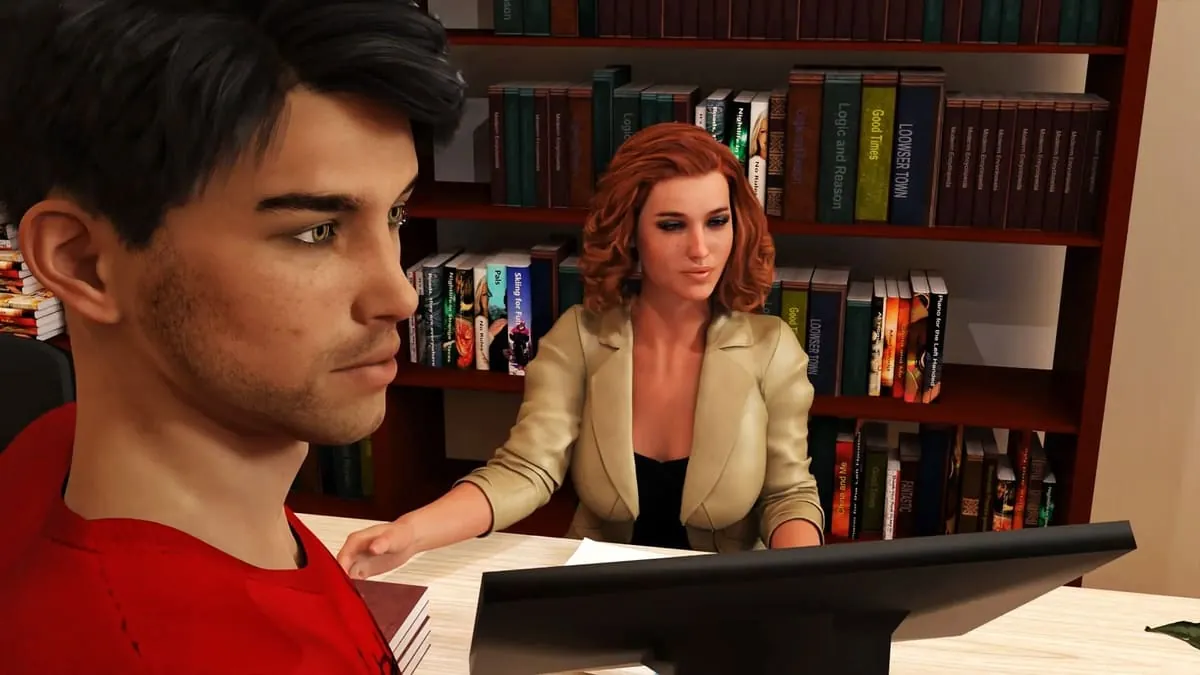
The aesthetic of Strangers on Paper is not just a backdrop; it’s a narrative device. The hand-drawn, paper-like art style is a stroke of genius. Characters and scenes often look like they’ve been sketched onto a slightly textured notebook page, which perfectly reinforces the themes of memory, storytelling, and fragile connections. This isn’t a world of harsh digital lines; it’s one of soft pencils and potential erasure, much like our recollections.
The character sprites are remarkably expressive. A slight downturn of the mouth, a hesitant glance away, a rare, full smile—these subtle animations do more to convey emotion than pages of dialogue could. It makes every interaction intimate. This is complemented by an atmospheric sound design of ambient noises: distant chatter in a cafe, the rustle of leaves, the tense silence of a paused conversation. Together, they create an immersive envelope that makes the Strangers on Paper visual novel experience feel tactile and deeply personal. You don’t just read the tension; you feel it in the quiet and see it in a character’s hesitant body language.
So, after multiple journeys through its branches, what’s my final verdict? Strangers on Paper is a must-play because it respects your intelligence and your emotional capacity. It doesn’t offer power fantasies; it offers empathy exercises. The best Strangers on Paper endings aren’t about “winning,” but about understanding the cost and value of every human connection you choose to renew or release. It’s a game that stayed with me long after I closed it, prompting me to look at my own “strangers on paper” with new eyes.
To help you forge your own path, here are my pro tips for diving in:
💡 Save often, and in multiple slots! The most fascinating moments come from experimenting with risky choices. Having a save to return to liberates you to be bold.
💡 Role-play consistently. Decide who you are in this story at the start, and try to make choices that align with that persona. It leads to more coherent and satisfying endings.
💡 Pay attention to silence. Sometimes, the most powerful choice is to say nothing at all. The game uses pauses masterfully.
💡 Don’t rush. Let scenes breathe. The ambient art and sound are there to build mood—soak it in.
💡 Embrace the discomfort. The routes that challenge you the most often lead to the greatest emotional payoff. Lean into the difficult conversations.
Strangers on Paper isn’t just a visual novel—it’s a mirror to your own choices and connections, pulling you through laughs, tension, and those ‘what if’ moments that linger. From unraveling character depths to chasing perfect endings, my multiple playthroughs showed how every decision crafts a unique journey. If you’ve felt the pull of past ties, this game nails it with style and heart. Grab it now, experiment with bold picks, and share your wildest routes in the comments—I’d love to hear which path surprised you most. Dive in and let the strangers from your paper world come alive.