
Single Again
Play Single Again
Single Again Screenshots



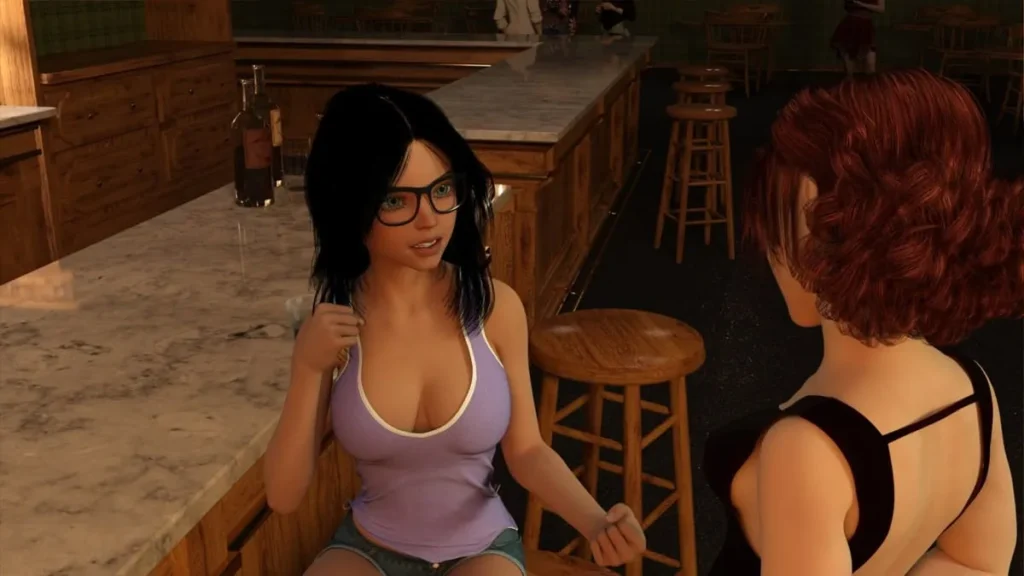




Single Again review
Master every choice, unlock all scenes, and navigate the branching storyline
Single Again is an adult role-playing game developed by Clever Name Games that challenges players to navigate complex decision trees and character interactions. With multiple branching paths, hidden scenes, and character-specific content, understanding the game’s mechanics and choice consequences is essential for unlocking all available experiences. This comprehensive guide breaks down every major decision point, explains how to trigger specific scenes with different characters, and provides strategic advice for maximizing your gameplay. Whether you’re looking to explore all romantic options or understand how your choices shape the narrative, this walkthrough covers everything you need to know about progressing through Single Again’s interconnected storylines.
Understanding Single Again’s Core Mechanics and Choice System
Ever stared at a dialogue box in Single Again, your cursor hovering over two seemingly innocent options, while a cold sweat breaks out because you just know this choice matters? 🥵 Welcome to the club. I remember my first playthrough, trying to charm my way through every conversation. I ended up on a path so lonely, Frank’s most exciting Friday night was debating the merits of different brands of microwave pizza. It was a masterpiece in failure, and it taught me everything. This game isn’t just about clicking; it’s about understanding a living, breathing system where every word has weight.
Mastering Single Again means mastering its game mechanics. At its heart, it’s a beautifully complex web of cause and effect, where early, offhand comments can lock or unlock entire story arcs hours later. This chapter is your blueprint. We’re going to dissect the branching choice system, decode the secrets of character relationship unlocking, and map out the logic behind scene progression. By the end, you’ll navigate Frank’s world not with hopeful guesses, but with the confident strategy of a true player.
How the Branching Choice System Works
Think of the story not as a line, but as a tree that constantly splits. Every major interaction—and many minor ones—presents a fork in the road. The genius of Single Again’s branching choice system is its subtlety. 🎭 It’s not always about choosing “Good” or “Evil.” Often, it’s about choosing “Funny” vs. “Sincere,” or “Ambitious” vs. “Cautious.” These choices define Frank’s personality in the eyes of other characters, and the game remembers everything.
The system operates on both macro and micro levels. A macro choice might be accepting or declining Rebecca’s infamous bet early on—a decision that creates an entirely new branch of the story with its own unique scenes and consequences. A micro choice could be how you choose to comfort Beth after a rough day; a supportive ear might deepen your bond, while a flippant joke could subtly cool the relationship, closing off later intimate moments.
Pro Tip: Don’t just think about what you want to say. Think about what Frank would say based on the persona you’re building, and more importantly, what the character you’re talking to needs to hear. Lilith values ambition and risk, while Abigail appreciates vulnerability and honesty. Tailoring your approach is key.
These branches aren’t always immediately visible. The game uses a flag system—invisible trackers that record your key decisions. Did you stand up for someone? Did you prioritize your career over a date? These flags are then checked later, determining which dialogue options appear, which scenes are available, and ultimately, which of the Single Again character routes you are eligible to pursue. It’s a cascade, where one choice sets a dozen new possibilities in motion while quietly burning a dozen others. To see everything, you must play multiple times, making deliberately different choices to explore each unique narrative path. This is the core challenge and the greatest reward of the Single Again game mechanics.
Character Relationship Mechanics and Unlocking Content
This is where your social skills get a digital workout. 🧠 Each main character—Rebecca, Beth, Abigail, and Lilith—has an internal relationship meter and a set of personal “triggers.” Your choices directly feed into these. However, it’s not a simple point-for-point game. It’s about consistency and key moments.
Character relationship unlocking is conditional. To open up a character’s deepest scenes and their unique route, you must:
1. Build a Foundation: Make choices they generally approve of in early interactions.
2. Hit Key Triggers: Successfully navigate major, relationship-defining decisions unique to them.
3. Maintain the Path: Continue acting in a way that aligns with the bond you’ve built.
For example, pursuing Rebecca requires embracing the chaotic, competitive energy of her bet. Ignoring the bet or failing its terms will permanently close her primary route. Conversely, to reach Beth’s most vulnerable scenes, you must consistently demonstrate reliability and empathy, often choosing her over more exciting, spontaneous opportunities.
The game brilliantly weaves characters together, forcing tough calls. Choosing to spend an evening working on a project with Lilith might boost your standing with her but cause you to miss a critical, time-sensitive comforting moment with Abigail, damaging that relationship. There is no “perfect” run where everyone loves you—this is a game about game decision consequences, and part of the consequence is deciding who you connect with and who you let drift away.
To help visualize how specific actions tie to content, here’s a breakdown of major pivotal choices and the scenes they influence:
| Character | Key Decision / Action | Scenes & Content Unlocked |
|---|---|---|
| Rebecca | Accepting the “First to Find Love” Bet | Unlocks all bet-related banter, the “Scoreboard” dynamic, and the exclusive party scene in Chapter 7. |
| Beth | Helping her prepare for the big client meeting (instead of going out) | Unlocks the late-night “Thank You” scene, and later, the option to attend the gallery opening as her guest. |
| Abigail | Opening up about your own past failure during the park walk | Triggers her reciprocal confession, unlocking the “Shared Secrets” scene and access to her personal hobby storyline. |
| Lilith | Investing your own money into the startup pitch | Proves your commitment, unlocking the “Partner” dynamic, private strategy sessions, and the high-stakes celebration scene. |
Remember, this table shows unlocks, but the reverse is also true. Failing to take these actions often means those scenes are replaced with more generic interactions or simply skipped. This brings us to the engine that drives it all: scene progression.
Scene Progression and Consequence Management
Scene progression in Single Again is not a checklist. It’s a dynamic, responsive chain of events. Think of it as a play where scenes are written, but whether they are performed depends entirely on the actors’ (your) choices in earlier acts. 🎬 The game’s structure is modular. Scenes have prerequisites—specific relationship levels, completed prior scenes, or decision flags that must be “TRUE.”
This is the essence of consequence management. When you skip a scene—either by choice or because you failed to meet its prerequisites—you’re not just missing that moment. You are altering the narrative context for all future scenes. Characters might reference events you never witnessed, or more commonly, they won’t reference them at all, creating a colder, more distant history. Missing Beth’s client meeting prep, for instance, means she won’t later credit you for her success, changing the tone of your entire relationship.
The strategic approach to how to unlock all scenes requires a methodical, almost clinical playstyle. You must:
- Plan Your Route: Decide which character’s path you are focusing on for a given playthrough. Trying to unlock everything in one go is impossible.
- Make Hard Saves: Before every major choice, save your game. This is your primary tool for exploration.
- Follow the Thread: Commit to a personality. If you’re on Rebecca’s route, be bold, competitive, and a little ruthless. This will naturally fulfill the flags for her scenes while filtering others out.
- Embrace Replays: A second or third playthrough is not a chore; it’s a new story. Use it to make opposite choices and see how the branching choice system creates a completely different experience.
For those chasing completion, understanding Single Again scene progression is your greatest asset. It’s about recognizing those critical junctures—the bet, the investment, the confession—and understanding they are not just story moments, but gates. Passing through one gate may close another, and that’s okay. The richness of Single Again lies in its curated exclusivity. Your story with the driven, complex Lilith is rewarding precisely because you chose to not pursue the sweet, steady path with Beth.
Ultimately, mastering these mechanics transforms the game from a passive story into an active narrative playground. You stop being a passenger in Frank’s life and start being its architect. You learn to read the invisible flags, predict the consequence chains, and appreciate the elegant design of its Single Again game mechanics. So, dive back in. Make that “wrong” choice on purpose. See where the other path leads. The full, beautiful, messy story of Single Again is waiting in the branches you haven’t yet explored. 🌳
Single Again offers a rich experience for players who enjoy narrative-driven adult games with meaningful choice systems. By understanding how the branching mechanics work and how character relationships develop based on your decisions, you can strategically navigate the game to unlock all available content or focus on specific character routes that interest you most. The key to maximizing your enjoyment is recognizing that early choices have lasting consequences—decisions made during initial encounters with Rebecca, Beth, and other characters directly influence what scenes become available later in the game. Whether you’re pursuing a specific character’s storyline or attempting a completionist approach, this guide provides the framework to understand every choice point and its implications. Take time to experiment with different decision paths, pay attention to how character dialogue shifts based on previous interactions, and remember that the game rewards players who carefully consider the consequences of their choices before committing to a particular narrative direction.