Maeve’s Academy
Play Maeve’s Academy
Maeve’s Academy Screenshots


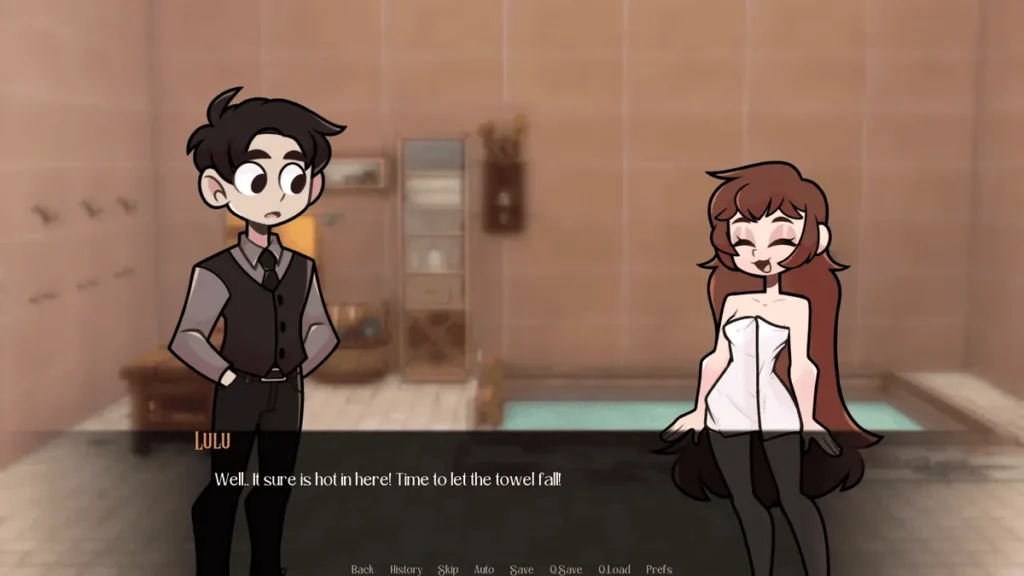
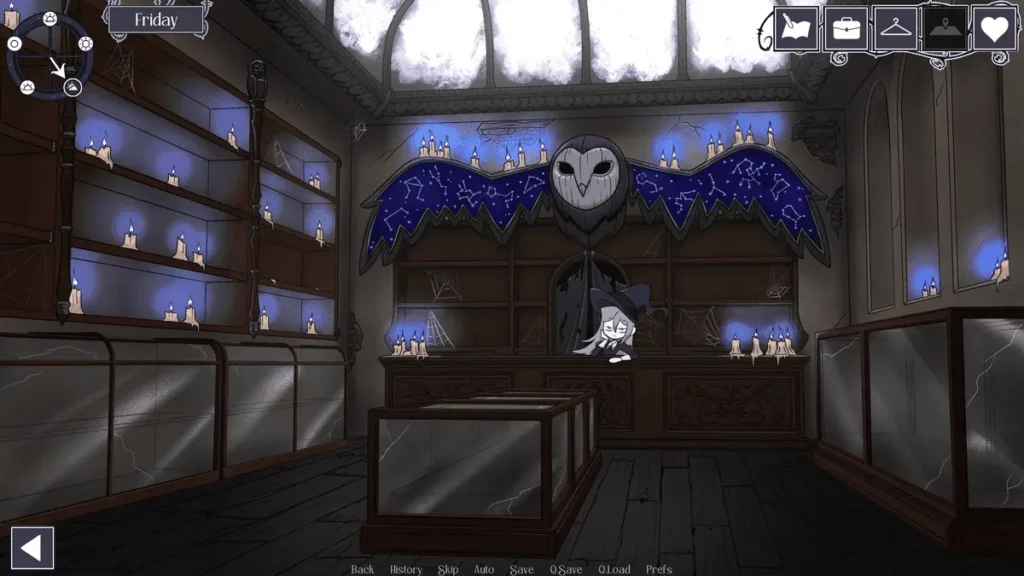
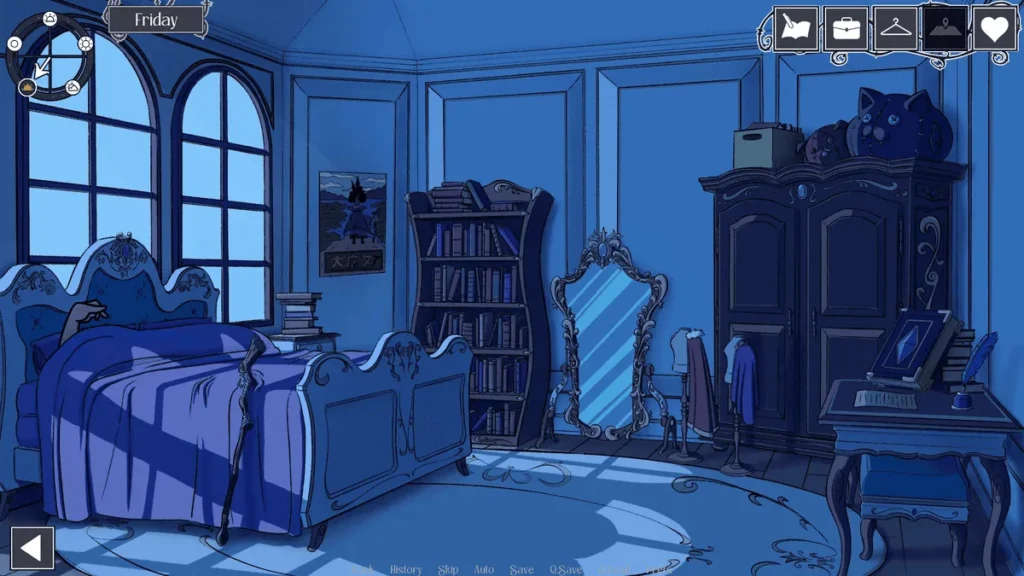
Maeve’s Academy review
Explore storylines, characters, and gameplay mechanics in this indie visual novel
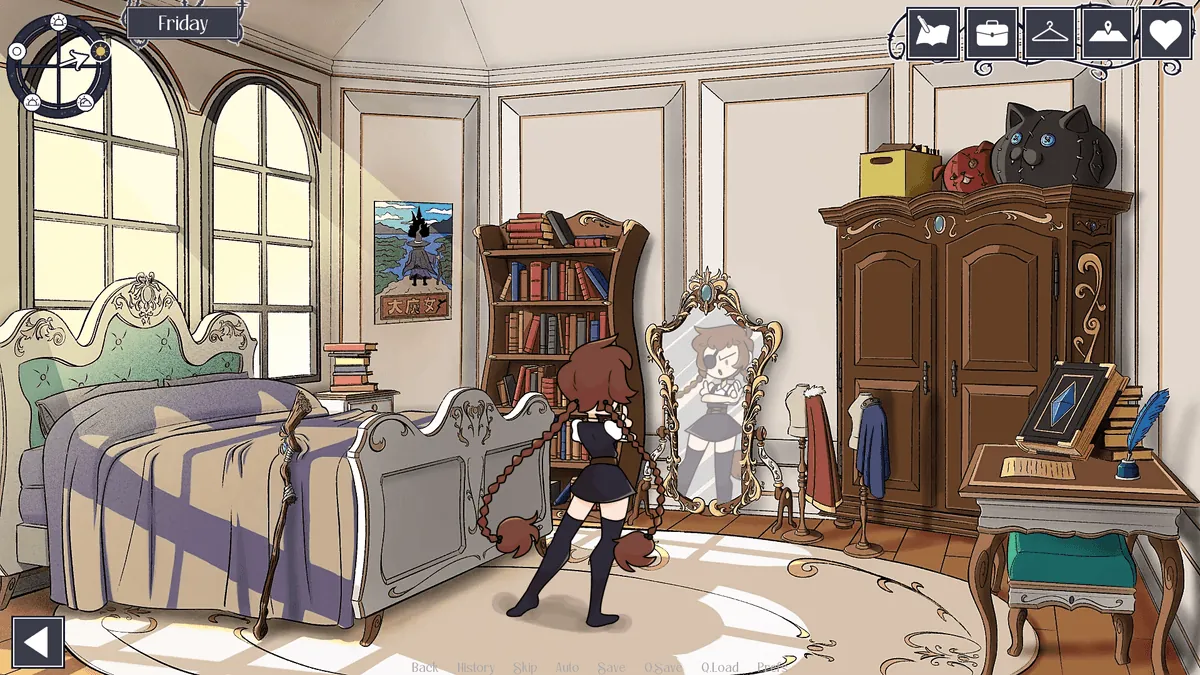
Maeve’s Academy has emerged as a standout indie visual novel that captivates players with its intricate character development and emotional storytelling. This game combines relationship-building mechanics with compelling narrative arcs that keep players engaged across multiple playthroughs. Whether you’re new to the game or a dedicated fan following each update, understanding the core characters, storylines, and gameplay systems will enhance your experience. This guide provides everything you need to know about Maeve’s Academy, from character relationships to narrative progression and community highlights.
Understanding Maeve’s Academy: Core Gameplay and Story Elements
Ever found yourself clicking through a visual novel, feeling like you’re just a passive passenger on a railroaded story? 🙃 You make a “choice,” but it barely nudges the narrative, and the characters feel more like checklists of tropes than real people. I’ve been there, and that’s exactly why discovering Maeve’s Academy felt like a revelation. This indie visual novel doesn’t just tell you a story; it asks you to live within its world, to build relationships brick by emotional brick, and to witness a narrative that unfolds with the delicate, painful beauty of real life.
At its heart, the Maeve’s Academy visual novel is an experience built on patience, depth, and genuine connection. It’s a game that understands that powerful emotional storytelling in games doesn’t come from world-ending stakes, but from the quiet moment a character finally trusts you enough to be vulnerable. Let’s pull back the curtain on what makes this game so special.
What Makes Maeve’s Academy Stand Out in Visual Novel Gaming
In a genre crowded with high-concept fantasies and rapid-fire romances, Maeve’s Academy carves out its own space with a confident, deliberate focus on authenticity. It’s not about saving the world before dinner; it’s about saving a conversation, understanding a glance, and navigating the beautifully awkward process of getting to know someone. This is indie game character development at its most potent.
So, what are the key features that set this experience apart? 🤔
- The Slow-Burn Philosophy: The game rejects instant gratification. Relationships and trust are earned over time, across multiple in-game days and real-world updates, making every breakthrough feel genuinely deserved.
- Emotional Complexity Over Melodrama: Characters deal with realistic issues—grief, anxiety, self-doubt, familial pressure—portrayed with nuance rather than as simple plot devices.
- Interwoven, Non-Isolated Stories: Your interactions with one character can subtly (or not so subtly) influence your standing with another, reflecting a realistic social ecosystem.
- The “Living Game” Model: The story is released in substantial, narrative-driven updates, allowing the tale and its characters to grow alongside its community, fostering a unique shared journey of discovery.
The magic isn’t in a single feature, but in how all these elements fuse together. The Maeve’s Academy gameplay guide you might be looking for isn’t a list of quick-win choices; it’s an understanding of this philosophy. Your role is less that of a “player character” shaping destiny, and more of a participant, an observer, and a friend. The game’s availability on platforms like itch.io underscores its indie spirit, directly connecting the developers with a passionate and growing community that dissects every update, shares fan art, and collectively holds its breath for the next character beat.
Character Relationship Systems and Progression Mechanics
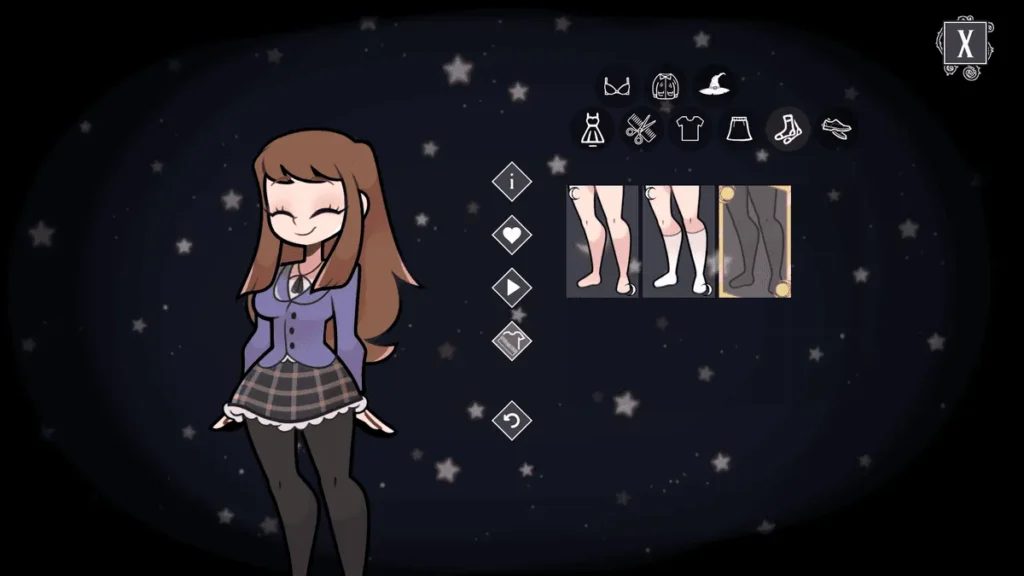
Forget simple meters that fill up with “+5 Romance” points. The character relationship system in Maeve’s Academy is a nuanced tapestry of memories, shared moments, and earned trust. This is where the game’s core relationship building mechanics truly shine, transforming every dialogue choice from a test into a conversation.
Your choices aren’t about picking the “correct” response to unlock a scene. Instead, they’re about expressing who you are in this world and seeing who responds to that. A character might appreciate your blunt honesty, while another might be put off by it—not as a “wrong” choice, but as a natural consequence that shapes your unique path with them. This system creates a profound sense of indie game character development, as you see characters react and evolve based on sustained patterns of interaction, not one-off decisions.
Think of it like building a real friendship. You listen, you offer support when appropriate, you remember the small details they tell you, and you show up consistently. The game mirrors this through several key mechanics:
- Contextual Memory: Characters will reference past conversations and events. Bringing up something they told you weeks ago (in game time) can unlock new, more intimate dialogue branches.
- Mood and State Awareness: Characters have good days and bad days. Your approach to Elizabeth after she’s had a stressful day might need to be different from your approach during a casual cafe hangout. Pushing too hard on a bad day can set your connection back.
- The Ripple Effect: Choices made during group scenes or with one character can indirectly affect your standing with others. Defending a friend in a subtle way might earn you silent respect from an observer.
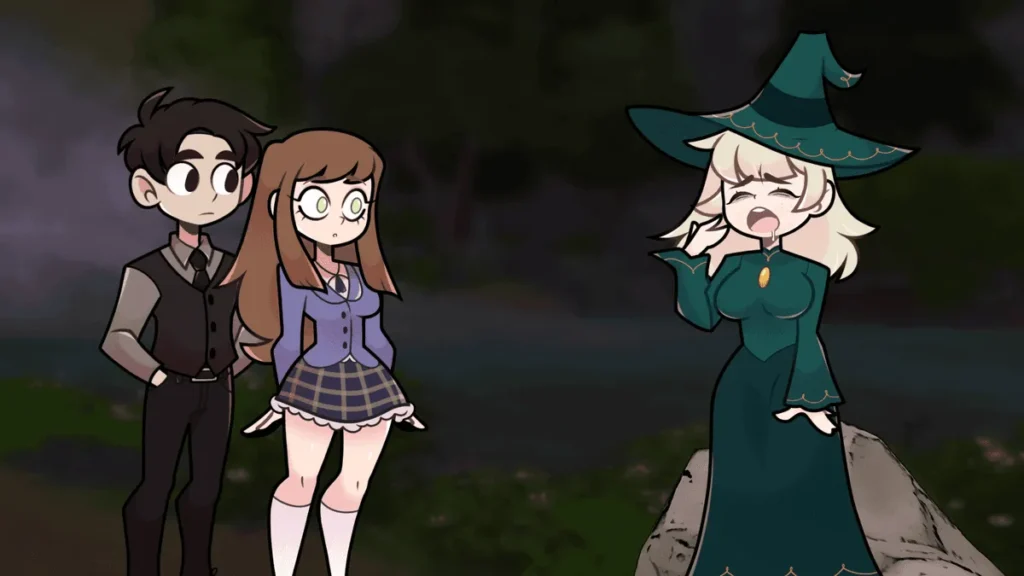
To give you a clearer picture of how these connections can vary, here’s a look at the core cast and the foundations of their relationships:
| Character | Initial Dynamic | Key to Progression | Relationship Reward |
|---|---|---|---|
| Elizabeth | Guarded, academically intense, carries visible burdens. | Patient, non-judgmental listening; respecting her space while showing consistent care. | Unveiling the deeply vulnerable and witty person beneath the protective shell. |
| Maya | Energetic, artistically passionate, the social glue of the group. | Engaging with her creative projects authentically; being a stable presence during her moments of doubt. | Seeing the thoughtful, insecure side she hides from the world, becoming her confidant. |
| Leo | Easygoing, seemingly carefree, uses humor as a shield. | Calling out his evasiveness gently; showing interest in his quiet, non-social hobbies. | Discovering the serious ambitions and familial pressures he keeps locked away. |
This table isn’t a cheat sheet—it’s a map of human behavior. The “Key to Progression” isn’t a button you press; it’s a mindset you adopt. The ultimate goal of these relationship building mechanics is to make you care. When you finally reach a pivotal, emotional scene with a character, it won’t feel like a prize you won. It will feel like a gift they’ve chosen to give you because you’ve proven yourself worthy of their story. This is the pinnacle of emotional storytelling in games; it makes you feel like an active, responsible participant in the emotional lives of others.
Narrative Structure and Story Development Across Updates
If the relationship system is the heartbeat of Maeve’s Academy, then its narrative structure is the central nervous system—a complex, evolving network that connects every character beat into a cohesive whole. The visual novel story progression here masterfully balances long-form, character-focused arcs with an overarching plot that simmers in the background, gradually coming to the fore.
Unlike a static, complete novel, Maeve’s Academy embraces a serialized format. The story unfolds through major updates, each acting like a new season or volume in an ongoing series. This “living story” approach is a double masterpiece of design. Firstly, it allows for incredibly detailed indie game character development that would be impossible in a single release. Characters don’t just have an arc; they have growth, with setbacks, periods of stagnation, and hard-won victories that feel earned over real time. Secondly, it builds a unique partnership with the community. We experience the waiting, the speculation, and the collective joy or heartbreak of each new release together, making the journey as meaningful as the destination.
The game’s narrative is a masterclass in the slow reveal. The larger mysteries of the academy and the characters’ pasts are doled out with exquisite patience, always in service of character moments. You’ll learn about a traumatic family event not through an exposition dump, but through how a character reacts to a seemingly unrelated trigger two updates later. This demands your attention and rewards your memory, creating a deeply satisfying puzzle of human emotion.
Pro Tip: Keep a mental (or even physical) note of small details—a character’s offhand fear, a book they mention, a place they avoid. In Maeve’s Academy, there are no throwaway lines. Everything is a thread in the larger tapestry.
To see this structure in action, let’s look at a case study that, for many players, defines the game’s narrative power.
Example: Elizabeth’s Character Arc as a Case Study of the Game’s Narrative Depth
When you first meet Elizabeth, she’s a fortress. 👑 Brilliant, sharp-tongued, and radiating a “stay away” energy that’s almost physical. Early visual novel story progression with her is a test of patience. Your attempts at conversation are met with walls, deflections, or academic debate. The game doesn’t offer you a magic key; it forces you to simply be there, to be a consistent, non-threatening presence.
In Update 1, you might only learn that she suffers from crippling migraines and has a strained relationship with a high-achieving family. The breakthrough isn’t a grand confession. It’s a tiny moment, perhaps in Update 2, where you find her hiding in a quiet corner of the library, not studying, just staring into space. The “correct” choice isn’t to bombard her with questions. The game’s emotional storytelling shines when you choose the option to simply sit nearby in silence, or offer to get her a glass of water without demanding an explanation.
This moment of quiet respect becomes a cornerstone. By Update 3, she might start seeking you out for study sessions, and her barbs become less sharp, more playful. You learn about her love for a specific, obscure poet—a detail that becomes crucial later. The Maeve’s Academy gameplay guide for Elizabeth isn’t about romance points; it’s about building a safe space.
The payoff, when it comes in a later update, is devastatingly powerful. A family crisis triggers her, and instead of shutting down completely, she turns to you. The ensuing scene, where she finally articulates her fear of failure and the weight of her family’s expectations, is not just her dialogue. It’s the culmination of every small, patient choice you made. Her arc isn’t about “fixing” her; it’s about witnessing her learn to trust, to be vulnerable, and to define her own worth outside of achievement. This is indie game character development executed with the depth and respect of literary fiction.
This is the promise of Maeve’s Academy. It’s a game that believes in the power of small moments, in the epic nature of internal battles, and in the player’s capacity for empathy. Your journey through its story is a quiet, profound exercise in connection, making it a landmark title for anyone who believes that the most compelling stories aren’t about what we do, but about who we become along the way.
Maeve’s Academy stands as a testament to the quality and depth that indie visual novels can achieve. Through its carefully crafted character arcs, meaningful player choices, and emotionally resonant storytelling, the game has built a dedicated community of players who appreciate its nuanced approach to narrative. Whether you’re drawn to the complex character relationships, the slow-burn story development, or the unexpected emotional turns that challenge typical visual novel conventions, Maeve’s Academy offers a rich gaming experience. As the game continues to evolve through updates, new players and longtime fans alike will find plenty to explore and enjoy. If you haven’t experienced Maeve’s Academy yet, now is an excellent time to dive in and discover why this indie title has captured the hearts of so many players.