Grandma’s House
Play Grandma’s House
Grandma’s House Screenshots







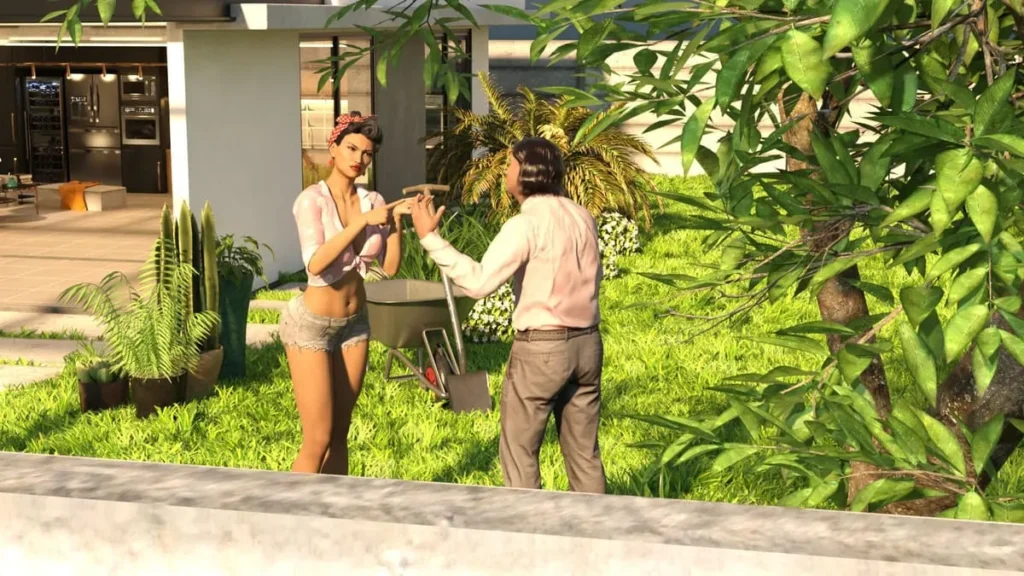




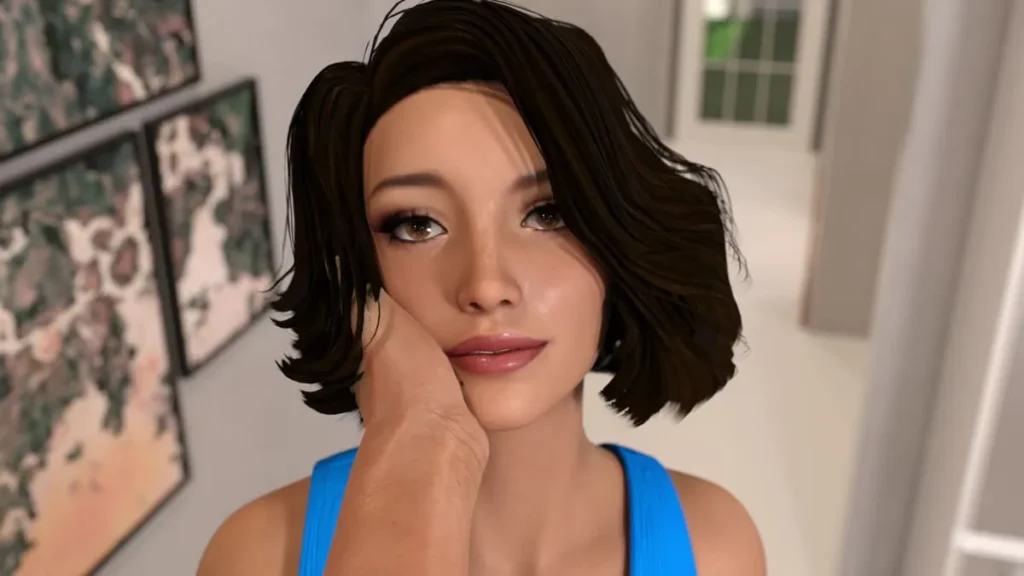
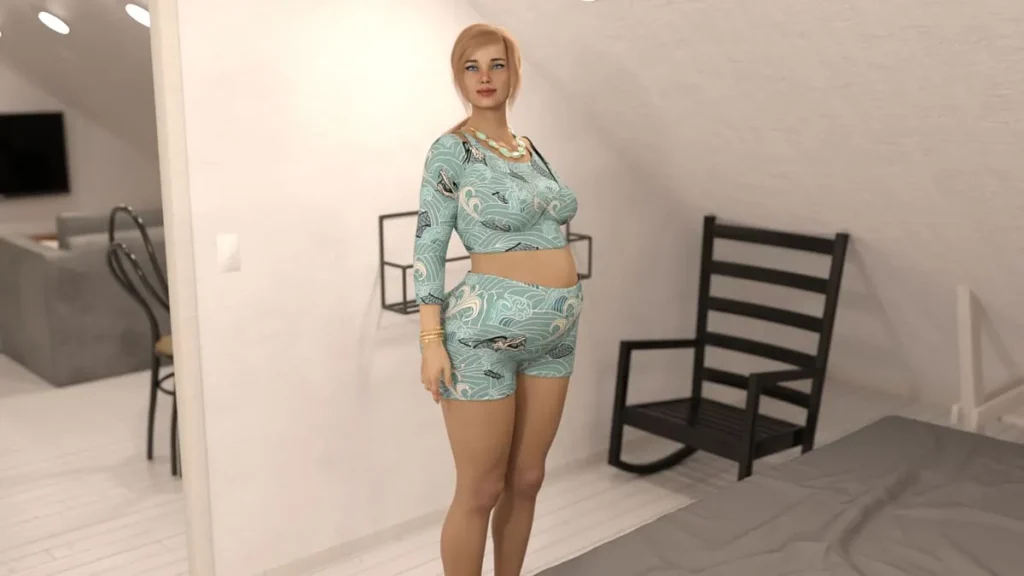
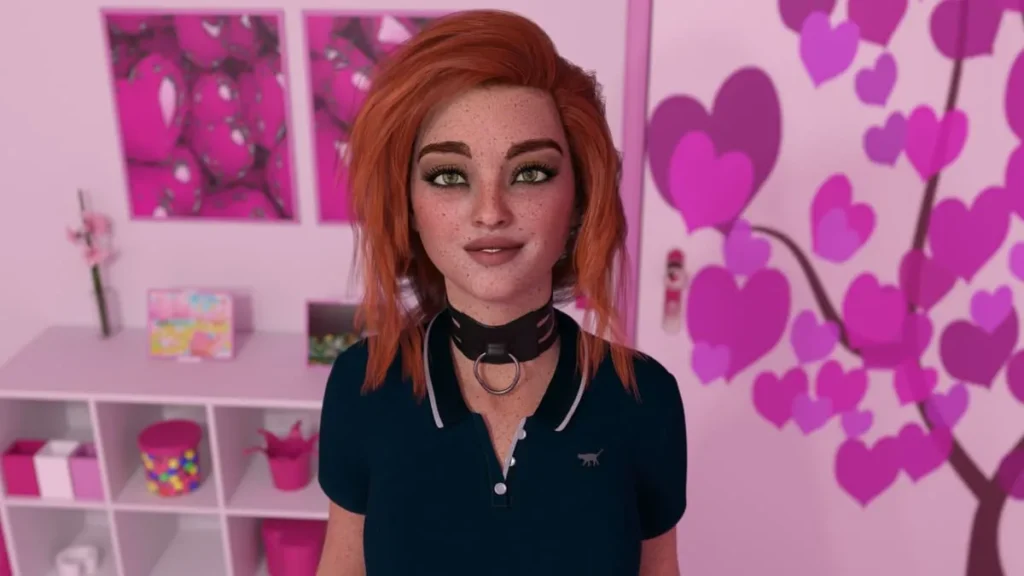

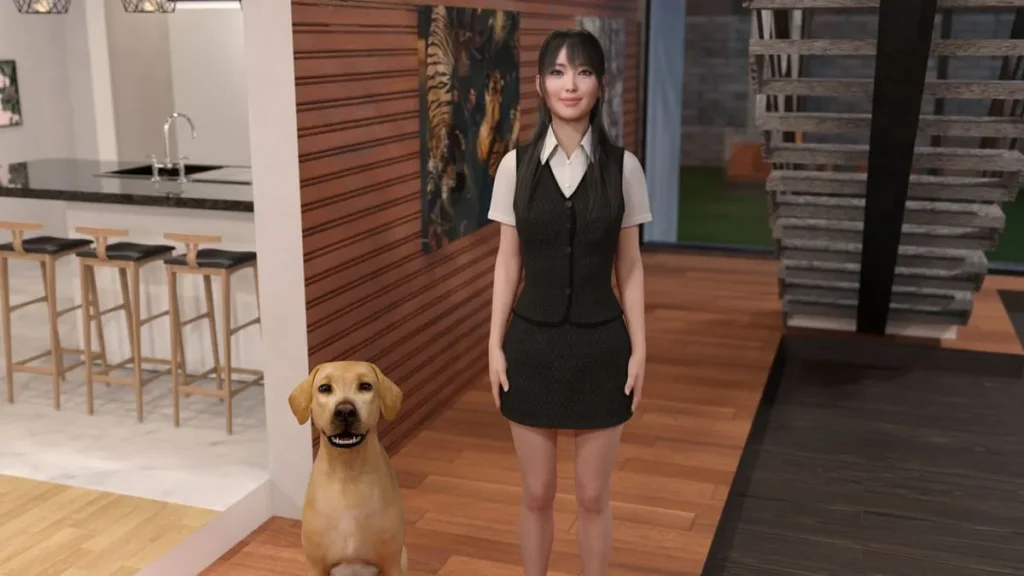



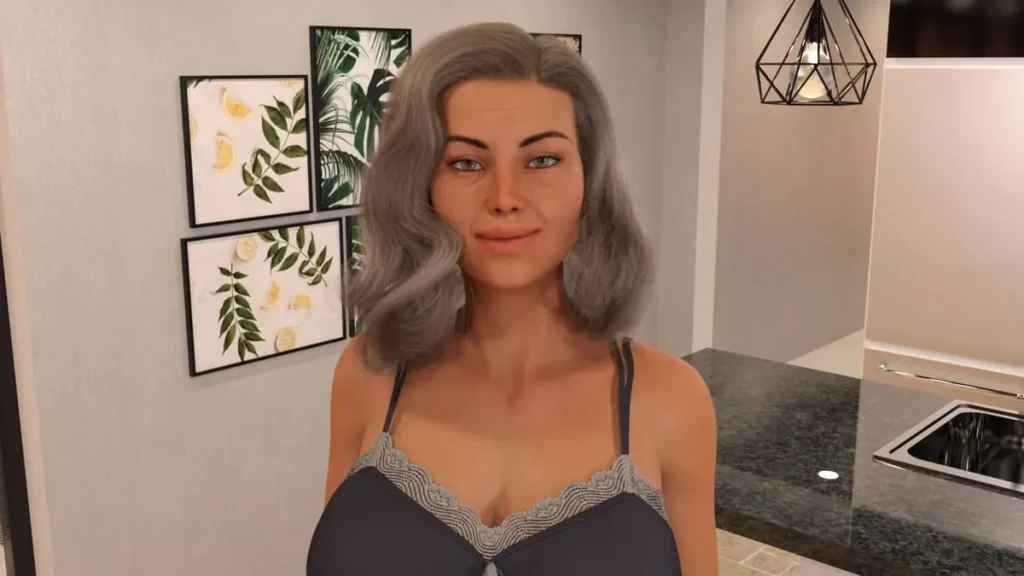

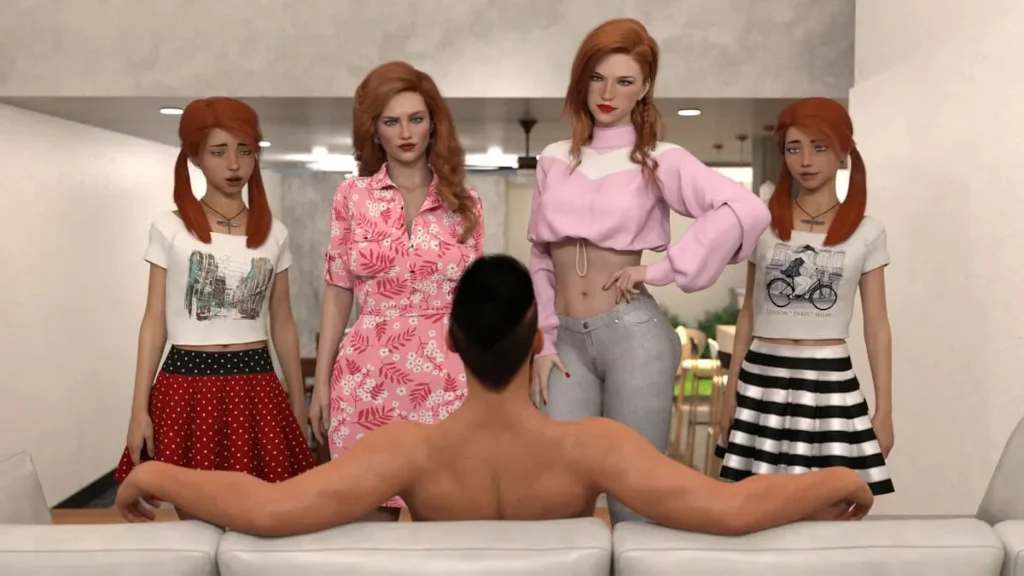

Grandma’s House review
Master every storyline, character relationship, and decision path in this narrative adventure
Grandma’s House is a narrative-driven game developed by Moonbox that focuses on character development and meaningful choices. Unlike many games that rush through storylines, this title emphasizes authentic relationship building where characters develop at their own pace. Players navigate complex family dynamics and personal relationships through carefully crafted decision points that shape the overall narrative. Whether you’re new to the game or looking to explore different story paths, understanding the game’s structure, character arcs, and decision mechanics is essential for a fulfilling experience. This guide covers everything you need to know about progressing through the game and unlocking different storylines.
Understanding Grandma’s House Game Mechanics & Story Structure
Ever felt like your choices in a narrative adventure game don’t really matter? 😕 You pick the “nice” option, the “funny” option, or the “bold” option, but it all seems to funnel you toward the same pre-determined ending. I’ve been there, and it can make the whole experience feel a bit hollow. That’s precisely why discovering Grandma’s House was such a revelation for me. This isn’t a game where you’re just reading a story; you’re actively weaving it, thread by delicate thread, with every single choice you make. The Grandma’s House game mechanics are built on a beautifully complex system of cause and effect, where a casual comment over breakfast can ripple out and change who trusts you by dinner. 🏡✨
To truly master this narrative playground, you need to understand its engine. Think of it less like a book and more like a living, breathing ecosystem of characters and consequences. Your journey through its branching paths is a direct result of how well you grasp its inner workings.
How Decision Points Shape Your Narrative Experience
At its heart, Grandma’s House is a masterclass in player agency. Every conversation, every glance, and every moment of silence is a potential decision point in this narrative game. But unlike many games that telegraph “THIS IS A BIG CHOICE!” with dramatic music, the magic here is in the subtlety. 🎭
I learned this the hard way on my first playthrough. I was trying to befriend Polly, the artist with walls higher than grandma’s attic. I saw a moment to push for a deeper connection and took it, thinking I was being proactive. Big mistake. 🚫 The game didn’t give me a “Polly Disapproves -50” notification; instead, she simply became more withdrawn, her dialogue options drying up for the next few in-game days. The Grandma’s House game mechanics respect the characters too much for cheap game-y feedback. Your clues are in their eyes, their posture, and the tone of their responses.
These decision points narrative game elements aren’t just about big, romantic declarations. They are about consistency. Are you the reliable shoulder to cry on, or the chaotic force of fun? The characters remember. For instance, if you constantly encourage Allie’s more reckless ideas, she’ll start coming to you with them first, trusting your shared appetite for spontaneity. But Sandra, who values stability, might view that same behavior as immature and keep you at arm’s length.
The key is that these choices build your character’s personality in the eyes of others. You are writing your own role in their story through action.
Personal Insight: The game brilliantly avoids “choice paralysis” by making decisions feel organic. You’re not picking from a list of writer’s-room dialogue tags; you’re responding as you would, or as the persona you’re role-playing. The branching storylines choices emerge naturally from this stream of consciousness.
Here are my key tips for navigating these waters without capsizing your relationships:
- Listen More Than You Speak: Often, the best “choice” is to be a good listener. Select options that let characters open up. This builds trust far more effectively than always trying to be the center of attention. 👂
- Embrace the Pause: Not every silence needs to be filled. Sometimes, a non-committal or observational response is the most authentic and safest path when you’re unsure.
- Your History Matters: The game has a memory. If you’ve spent three days being sweet and supportive to Karen, suddenly making a crude joke will feel like a betrayal. Your decisions create a narrative history that defines your current options.
- Failure is a Path: Getting “rejected” or saying the “wrong” thing isn’t game over. It’s a new narrative game path. Some of the most interesting story beats come from repairing a strained relationship.
Character Development and Relationship Progression Systems
This is where Grandma’s House truly shines and sets itself apart. Forget simple meters that fill up from “Acquaintance” to “Lover.” The character relationship progression here is a slow, fragile, and deeply human process. It’s about earning trust, not unlocking it. 💖
Let’s talk about Polly and Allie, two central characters who perfectly exemplify this philosophy. Polly’s Grandma’s House character development is a journey of helping someone lower their defenses. You can’t rush it. She needs to see that you’re consistent, respectful of her space, and genuinely interested in her art, not just in “winning” her. It’s a slow burn that makes the eventual breakthroughs feel incredibly earned.
Allie, while more outwardly energetic, has her own complexities. Her trust isn’t given lightly either, and progressing with her means matching her enthusiasm while also being a grounding force when her plans spin out of control. The game’s character relationship progression system treats these arcs with care, never forcing a character to act against their established personality just for the player’s gratification.
However, not all bonds form at the same speed, and understanding this is crucial for managing your expectations. The game mirrors real life: some connections are instant, while others need time to simmer.
| Character | Progression Style | Key to Advancement |
|---|---|---|
| Polly | Slow & Steady | Patience, showing consistent interest in her art and boundaries. |
| Allie | Medium Pace | Balancing her fun-loving energy with moments of genuine support. |
| Veena | Faster, Direct | Appreciating her confidence and engaging with her bold, no-nonsense attitude. |
| Sandra | Faster, Stability-Focused | Demonstrating maturity, reliability, and shared long-term interests. |
| Karen | Variable, Mood-Dependent | Being adaptable, offering comfort or fun depending on her emotional state. |
This variance means you can explore different types of dynamics simultaneously. You might find yourself sharing a fast-paced, flirty banter with Veena while you’re still in the “careful friend” stage with Polly. This makes the social ecosystem of Grandma’s house feel vibrant and real. Learning how to progress relationships in Grandma’s House isn’t about a one-size-fits-all strategy; it’s about learning each person’s unique emotional language. 🗣️❤️
Multiple Storylines and Path Variations Explained
One of the most exciting Grandma’s House game mechanics is its non-linear, parallel storytelling. You are not on a single rail. Instead, you’re navigating a web of branching storylines choices that can run side-by-side. This means you can pursue connections with multiple characters during the same visit without the game punishing you for it (so long as you act authentically!). 🕸️
Think of each character as having their own dedicated narrative thread. Your interactions with Polly weave her thread, your adventures with Allie weave hers, and so on. These threads run in parallel. You can choose to focus intensely on one, or you can try to manage several at once. The story doesn’t arbitrarily cut you off from one because you progressed with another; instead, the complexity comes from juggling the emotional honesty required for each.
This creates an astonishing number of narrative game paths. Your story where you became the confident partner for Veena and the healing friend for Polly will be fundamentally different from the path where you dove headfirst into Allie’s chaotic world while building a stable future with Sandra. The “complete” story of Grandma’s House isn’t found in one save file; it’s the collage of experiences across all your playthroughs.
The game’s version system (like 0.28, 0.41, 0.68) is a testament to this living, expanding world. Each update isn’t just a patch; it’s a new season in this ongoing story, adding depth to existing Grandma’s House character development, introducing new decision points, and weaving new possibilities into the existing tapestry. Your understanding of a character in version 0.68 will be richer and more nuanced than in 0.41, as their arcs deepen and their histories are revealed.
Ultimately, the most practical advice is to surrender to the experience. Don’t play to “collect” endings. Play to live in the moment with these characters. Be present in your conversations. Let your choices reflect a genuine response, not a calculated step toward a walkthrough’s perfect ending. The Grandma’s House game mechanics are designed to reward authenticity, not optimization. When you focus on the journey of each individual connection, the breathtaking scope of the branching storylines choices will reveal itself to you, playthrough after wonderful playthrough. 🎮✨
Grandma’s House stands out as a thoughtfully designed narrative experience that prioritizes character authenticity and meaningful progression. The game’s commitment to allowing relationships to develop naturally, rather than forcing rapid advancement, creates a more immersive and emotionally resonant experience. Understanding how decision points influence character arcs, recognizing the different progression speeds of various characters, and appreciating the game’s respect for character development will significantly enhance your gameplay. Whether you’re pursuing specific storylines or exploring multiple character paths, approaching the game with patience and intentionality allows you to experience the full depth of what Moonbox has created. Take your time with each decision, pay attention to character motivations, and enjoy the journey of building authentic relationships within the game’s world.