Play Cybernetic Seduction
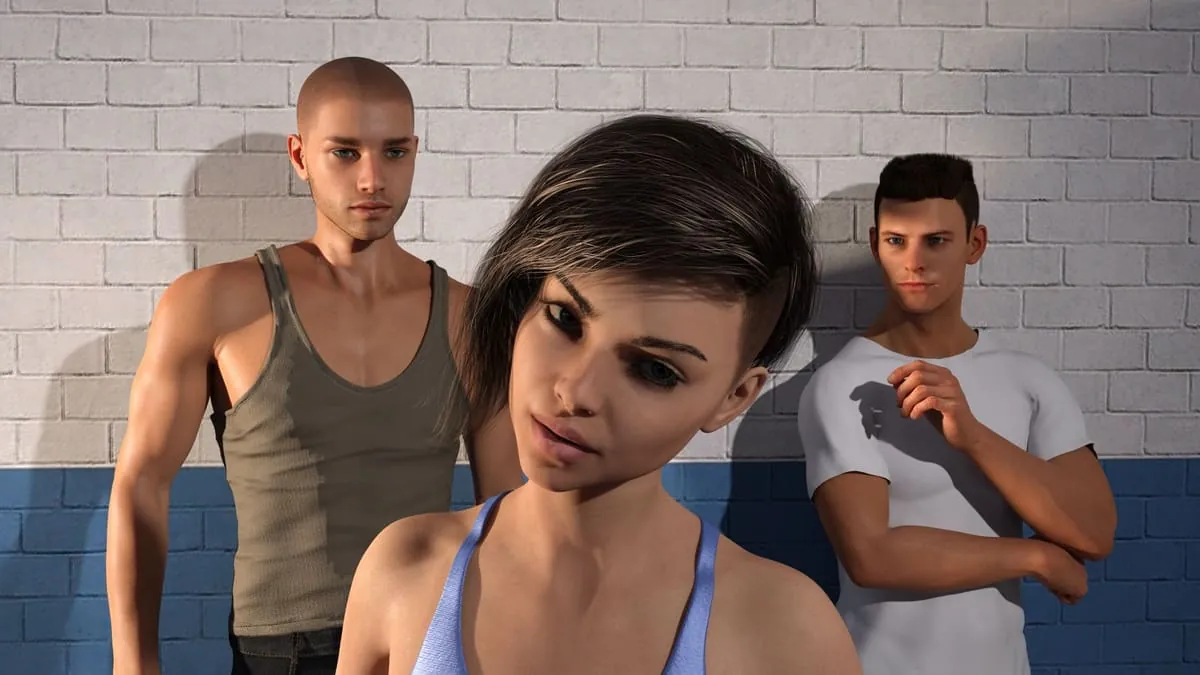
Cybernetic Seduction Screenshots


























Cybernetic Seduction review
Master the futuristic visual novel with choice-driven gameplay, heists, and strategic decision-making
Cybernetic Seduction Season 1 is a choice-driven futuristic visual novel that combines strategic gameplay with narrative depth. Released in May 2024 by 1Thousand, this indie adventure game immerses players in a high-stakes world where you take on the role of a special agent with a singular mission: to infiltrate Hector Zhine’s empire through careful planning, relationship building, and tactical decision-making. The game blends humor, action, and complex character interactions, offering multiple branching paths that reward careful planning and strategic choices. Whether you’re planning heists, gathering intelligence, or navigating intricate character relationships, understanding the game’s mechanics and systems is essential for unlocking all content and achievements.
Understanding Cybernetic Seduction Gameplay Mechanics
So, you’ve booted up Cybernetic Seduction, intrigued by the promise of futuristic heists and android romance, only to find yourself staring at a dialogue box with four equally tempting—and terrifying—options. 😅 Which one leads to the cool heist? Which one makes the charismatic hacker, Kael, actually respect you? And why does asking about the mission seem to lower someone’s “Trust” stat? I’ve been there. My first playthrough was a glorious mess, ending with my crew ditching me mid-mission because I’d accidentally flirted with everyone and mastered nothing. 🚀💥
Let’s fix that. This isn’t just a visual novel; it’s a strategic social simulator wrapped in a neon-soaked crime thriller. Mastering Cybernetic Seduction gameplay mechanics means understanding that every choice, from a casual joke to a tactical command, is a brick in the path of your unique story. In this guide, we’ll break down the core systems, so you can stop guessing and start architecting your perfect (or perfectly disastrous) cyberpunk adventure.
Core Gameplay Systems and Choice Architecture
At its heart, Cybernetic Seduction is a masterclass in choice-driven visual novel systems. Forget passive reading; this game is an active conversation with its world. The core loop is deceptively simple: you talk, you plan, you act. But beneath that surface lies a dense, interwoven matrix of cause and effect.
The game’s engine tracks everything. It’s not just about picking “Nice” or “Sarcastic” responses. Each dialogue option is tagged with underlying values—Logic, Empathy, Audacity, or Deception—that resonate with different characters and situations. Choosing a logical, analytical response with the team’s tech expert, Silas, might earn you respect and unlock new gear for a heist. Using that same cold logic on Vesper, who operates on intuition and emotion, can create a subtle rift. The game rarely shouts “VESPER DISAPPROVES”; instead, you’ll see it in slightly colder dialogue later, or in her being less willing to take a risk for you during the heist planning strategy guide phase.
This is where the branching narrative paths truly blossom. Early on, you’re presented with what seems like a minor choice: do you console a frightened civilian during a blackout, or use the chaos to snatch a keycard? This isn’t a “good vs. evil” toggle. It’s a foundational decision that shapes your protagonist’s instincts. The game remembers. Hours later, a character might reference that moment, defining you as “compassionate” or “ruthlessly pragmatic,” which in turn opens or closes entire avenues of alliance.
Here’s a quick checklist of the key systems you’re constantly engaging with:
- The Scouting Menu: Your mission control hub outside of conversations. This is where you review objectives, examine gathered intel, and manage your team’s loadout.
- Dynamic Dialogue Trees: Conversations are rarely linear. Options appear and disappear based on your previous knowledge, relationships, and even your current stress level in the story.
- Relationship Tracking: A hidden, multi-faceted system measuring Trust, Affinity, and Respect with each core character. It’s not a single bar but a complex profile.
- Heist Phase Management: The gameplay cleanly separates into distinct phases: Intelligence Gathering, Planning, and Execution. Each requires a different mindset.
The genius of these Cybernetic Seduction gameplay mechanics is their silence. The UI is clean, immersive, and doesn’t bombard you with stats. You feel the consequences, you don’t just read them. This makes replayability not a chore, but a revelation. On a second run, knowing how a character will react, you can manipulate conversations with chilling precision or build bonds you missed entirely.
Mission Structure: Heists and Intelligence Gathering
This is where the game shifts from a pure visual novel to a tactical experience. The heists are the thrilling payoff, and their success is almost entirely determined by your work in the quiet, tense phases that come before. Think of it as a three-act play: Preparation, Strategy, and Performance.
Act 1: Intelligence Gathering Gameplay 🕵️♂️
Before you even think about blueprints, you need information. This phase is seamlessly woven into the narrative. A casual drink with a corporate informant might yield a security shift schedule. Flirting with a nightclub owner could get you a glimpse of the backroom server layouts. This is where your dialogue choice consequences matter immensely. Push too hard for info and you’ll spook a source. Be too vague and you’ll walk away empty-handed.
The game presents this through multi-stage conversations. You might need to:
1. Build rapport (choose empathetic or charismatic dialogue).
2. Steer the topic toward your goal (using logical or deceptive options).
3. Extract the specific intel without raising suspicion (a final, crucial choice).
Successfully gathered intelligence becomes a tangible asset in your Scouting Menu—a “Security Patrol Route” note or a “Ventilation Access” map. Fail, and that section of your heist plan will have a glaring, dangerous hole.
Act 2: The War Room – Heist Planning Strategy Guide 🗺️
With intel in hand, the planning phase begins. This is a brilliant menu-driven puzzle. Your Scouting Menu transforms into a planning board. You’ll see the mission location, with various entry points, security checkpoints, and objectives layered on top.
Here, you assign roles based on the character relationship mechanics you’ve nurtured. Do you send Kael to hack the mainframe? His skill is top-tier, but if your Trust with him is low, he might question your plan or introduce risky improvisations. Maybe you assign Vesper as a distraction. If your bond with her is strong, she’ll perform flawlessly. If it’s strained, she might disengage too early, leaving your point man exposed.
The following table breaks down the core heist planning phases:
| Phase | Player Action | Key Consideration |
|---|---|---|
| Intel Review | Examine all gathered clues, notes, and schematics in your menu. | Cross-reference information. Does the guard schedule match the floor plan you bribed from the janitor? |
| Role Assignment | Drag-and-drop characters to specific tasks (Hacker, Distraction, Infiltration, etc.). | Match character skills AND relationship status. A skilled but discontent crew member is a liability. |
| Contingency Planning | Select backup plans for critical failure points (e.g., “If detected, use EMP charge or fight through?”). | Your choices here define your crew’s ethos. Ruthless efficiency or minimal harm? |
Act 3: Execution ⚡
The heist itself is a breathless sequence that plays out based on your plan. It’s part interactive cutscene, part quick-time event, and part test of your preparation. You’ll see your choices come to life—the vent you scouted opens, the guard you bribed looks the other way. When a surprise obstacle appears (and it will), the game will often present a split-second choice, pulling directly from your Contingency Plans or the depth of your character bonds. This is where the branching narrative paths physically diverge—one team might escape cleanly via the roof, while another, less-prepared group is forced into a violent street chase, altering the next chapter of the story completely.
Character Interaction and Relationship Building
The heists provide the adrenaline, but the characters are the soul of Cybernetic Seduction. This isn’t about filling a heart meter to unlock a romance scene. It’s about building complex, fragile human (and android) connections under immense pressure. The character relationship mechanics are the most nuanced part of the Cybernetic Seduction gameplay mechanics.
Each major character has a core value they respond to. Kael, the brilliant but arrogant hacker, values Competence and Audacity. Showing weakness or indecision annoys him. Vesper, the intuitive freelancer, values Empathy and Honesty. Silas, the veteran tech, values Logic and Preparedness. Your dialogue options are implicitly aligned with these values.
Pro Tip: Pay attention to how characters describe events. If Vesper says, “I felt a chill when I saw the security bot,” a response acknowledging that feeling (“That sounds terrifying”) builds affinity. A purely logical response (“Its patrol pattern is inefficient”) might build respect with Silas but creates distance with her.
The relationship system is layered. “Trust” affects whether they follow your plans faithfully. “Affinity” affects their personal willingness to open up and support you. “Respect” affects their professional opinion of your leadership. You can have high Respect with Kael (he thinks your heists are genius) but low Affinity (he finds you personally insufferable), leading to fascinating, conflicted dynamics.
Let’s look at a powerful example of dialogue choice consequences:
Imagine a tense moment before a heist. Kael is finalizing the hack. The dialogue options appear:
* A. (Empathetic) “You look stressed. Do you need a minute?”
* B. (Logical) “What’s the estimated time to bypass the firewall?”
* C. (Audacious) “Stop overthinking and just do it.”
* D. (Deceptive) “The security team just took a break. Now’s our only shot.”
Choice A might lower Kael’s Respect (he sees it as coddling) but slightly raise Affinity if he’s truly overwhelmed. Choice B raises Respect (you’re focused on the mission). Choice C could significantly raise or crash his Respect based on your previous history—if you’ve proven yourself, he might love the bravado. Choice D is a gamble that might force a quicker, riskier hack; success builds huge Trust, failure destroys it.
This brings us to the infamous Annoyance Route. 😈 This isn’t a bug or a failure state; it’s a deliberately crafted, hilariously brutal branching narrative path. By consistently choosing options that clash with a character’s values—being illogical with Silas, deceptive with Vesper, or timid with Kael—you don’t just lower their stats. You activate a special narrative thread where their contempt for you becomes a central plot point. They might sabotage your plans, sell you out, or deliver gloriously sarcastic insults at every turn. It’s a testament to the game’s commitment to dialogue choice consequences—even “negative” relationships are rich, complex, and full of story.
Ultimately, mastering the choice-driven visual novel systems and character relationship mechanics of Cybernetic Seduction is about embracing the role of a true leader. You’re not just picking a love interest; you’re architecting a team dynamic. Every conversation is a piece of intelligence gathering gameplay, revealing what makes your crew tick. Every plan is a test of the bonds you’ve forged. The branching narrative paths are your reward, offering not just different endings, but fundamentally different journeys—from a tale of flawless, heartless professionals to a messy, heartfelt story of rebels who somehow became a family. Now, go load your save. That conversation with Kael isn’t going to have itself.
Cybernetic Seduction Season 1 offers a rich, choice-driven experience that rewards careful planning and strategic decision-making. By understanding the game’s core mechanics—from the scouting menu to character relationship systems—players can navigate the complex narrative landscape with confidence. Whether you’re pursuing specific achievements, exploring different character routes, or simply enjoying the blend of humor and action, mastering the game’s systems enhances every playthrough. The key to success lies in thoughtful dialogue choices, thorough intelligence gathering, and strategic resource management. As you progress through Hector Zhine’s empire, remember that each decision shapes your story, making Cybernetic Seduction a uniquely personal experience for every player. Start your next playthrough with these insights and unlock the full potential of this engaging visual novel.