Corrupted Kingdoms
Play Corrupted Kingdoms
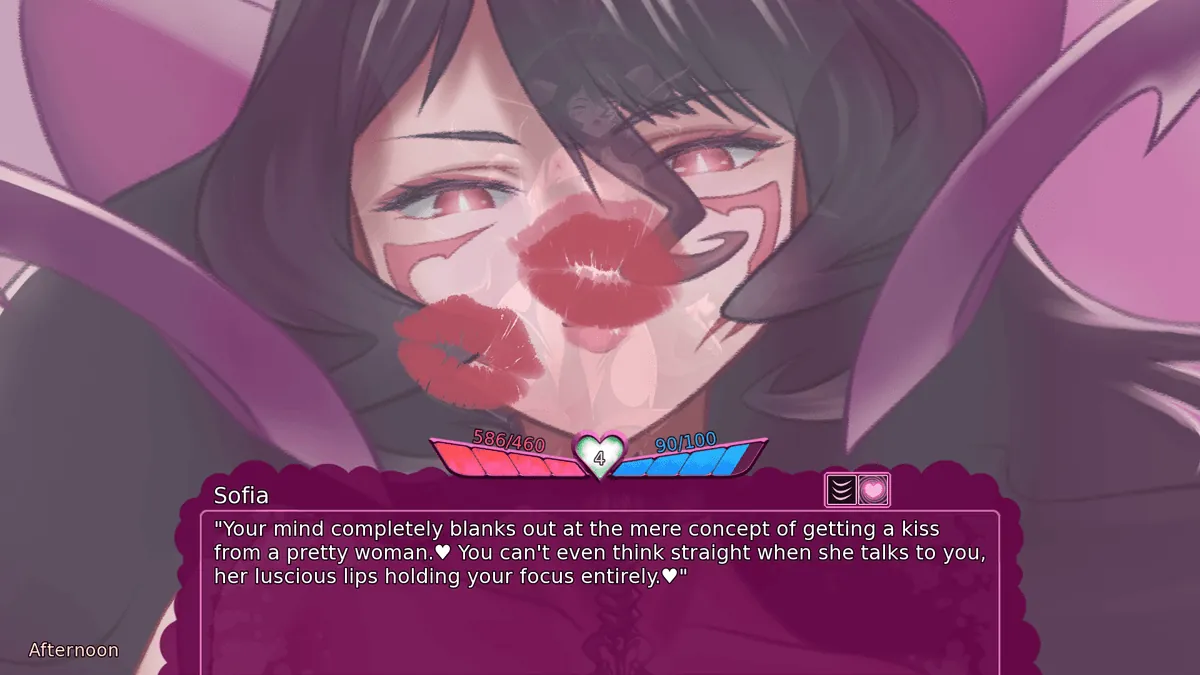
Corrupted Kingdoms Screenshots






Corrupted Kingdoms review
Explore storyline, gameplay mechanics, characters, and strategic choices in this fantasy adventure
Corrupted Kingdoms stands out as a captivating fantasy adventure that blends immersive storytelling with deep RPG mechanics. This game takes players on an epic journey through the land of Aethelgard, where mysterious corruption threatens to destroy everything. Whether you’re interested in branching narratives, character relationships, or strategic gameplay, Corrupted Kingdoms delivers a rich experience that rewards exploration and meaningful choices. In this comprehensive guide, we’ll explore what makes this game compelling, from its four-act structure to its intricate character dynamics and gameplay systems.
Story Structure and Narrative Design
Remember that sinking feeling in a game when you realize your choices didn’t really matter? You agonized over a dialogue option for five minutes, only for the story to brush past it two scenes later. 😩 I’ve been there, and it’s what makes discovering a game like Corrupted Kingdoms so thrilling. Here, every whispered secret, every act of mercy or cruelty, and every bond you forge tangibly reshapes the world. The Corrupted Kingdoms story structure isn’t just a backdrop; it’s a living, reactive entity that remembers everything.
At its heart, this is a masterclass in narrative design, using a robust four act narrative game framework to build tension, develop deep fantasy game character relationships, and deliver a Corrupted Kingdoms plot development that feels both epic and intimately personal. Let’s pull back the curtain and explore how this fantasy adventure makes your decisions the true engine of the story.
The Four-Act Framework: How Corrupted Kingdoms Builds Tension 🏰
The genius of this game’s Corrupted Kingdoms story structure lies in its deliberate, escalating pace. It doesn’t throw you into world-ending chaos in the first hour. Instead, it builds methodically, making you care deeply before testing your convictions. This classic four-act progression is the skeleton upon which all the rich narrative flesh hangs.
Act 1: The Return & The Rot
Your journey begins not with a bang, but with a homecoming. Returning to a kingdom you once knew, you’re immediately struck by a subtle wrongness—a creeping corruption everyone else seems to ignore. This act is all about establishment. You meet the core cast, from the wary knight Cedric to the enigmatic assassin Elara, in settings that feel familiar and safe. The initial Corrupted Kingdoms plot development here is slow-burn, focusing on small, unsettling encounters that seed doubt. It’s about asking, “What is happening to my home?” This foundation is crucial; by making the kingdom feel personal, the stakes are automatically raised.
Act 2: Bonds & Betrayals
With the stage set, Act 2 deepens everything. The corruption is no longer deniable, revealing itself as part of a complex political conspiracy. This is the act of alliance-building and investigation. You’ll spend time strengthening fantasy game character relationships, whether through romantic subplots, earning loyalty through side quests, or uncovering a companion’s hidden past. The narrative shifts from “what” to “who.” You’re navigating court intrigues, choosing which factions to trust, and realizing that the enemy may be wearing a friendly face. The tension here is psychological, a tightening coil of paranoia and fragile trust.
Act 3: The Crucible
Here is where the Corrupted Kingdoms plot development truly shines and the four act narrative game structure pays off. The isolated threads of conspiracy and corruption erupt into a full-blown, kingdom-wide crisis. This is the act of moral crossroads. The intimate problems of Act 2 become public catastrophes. You’re forced to make large-scale, desperate decisions with no clear right answer: save a city district and lose a powerful artifact, or sacrifice the few for the potential to save the many? The game strips away the comfort of easy solutions, creating genuine narrative desperation. Relationships are tested to their absolute limits under this pressure.
Act 4: Climax & Legacy
The final act delivers on every promise the story has made. All your accumulated choices—who you saved, who you betrayed, who you loved—converge into a climactic sequence that is uniquely yours. There are no “perfect” golden endings. Every resolution comes with a cost, a bittersweet echo of the paths you chose. An ending where you save the kingdom but become a tyrant is just as valid as one where you usher in a fragile peace at the cost of your own life. It’s a powerful commentary on consequence and legacy, making the player choice consequences game philosophy its ultimate finale.
To visualize this masterful progression, here’s a breakdown of the narrative architecture:
| Act | Key Plot Developments | Narrative Focus |
|---|---|---|
| Act 1: Foundation | Return home, initial corruption encounters, core character introductions. | Establishing setting, tone, and the personal stakes. Building a base of “normal” to corrupt. |
| Act 2: Intrigue | Deepening character bonds, uncovering political conspiracies, faction alliance-building. | Psychological tension and relationship development. The world becomes morally grey. |
| Act 3: Crisis | Kingdom-wide catastrophe, forced large-scale sacrifices, moral crossroads. | High-stakes desperation and the weight of leadership. Testing all established bonds. |
| Act 4: Resolution | Climactic confrontation based on accumulated choices, multiple ending pathways. | Legacy and consequence. There are no perfect solutions, only the results of your journey. |
Character Development and Relationship Dynamics ❤️🔥
A great plot is nothing without characters you believe in, and Corrupted Kingdoms excels at character development fantasy RPG storytelling. These aren’t archetypes who exist to serve your quest; they are individuals with conflicting desires, traumatic pasts, and personal growth arcs that run parallel to your own.
Take Elara, the assassin with a cursed bloodline. When you first meet her, she’s the epitome of cold efficiency—a weapon shaped by a brutal upbringing. Her early dialogue is clipped, her philosophy mercenary. This is where the game’s fantasy game character relationships mechanics work wonders. Through your choices—showing her unexpected mercy, engaging with her cryptic comments about her “tainted” lineage, or supporting her during moments of vulnerability—you witness a profound transformation.
I remember one playthrough where I consistently encouraged her to confront her past rather than bury it. This led to a stunning scene in Act 3 where, faced with a member of the cult that created her bloodline, she didn’t kill in cold blood. She hesitated, wrestling with a lifetime of conditioning, and ultimately made a choice based on the new moral compass we had built together. She evolved from a killer into a protector, a woman wrestling with the guilt of her past and the hope for a different future. This arc isn’t triggered by a single choice; it’s nurtured across dozens of interactions, making it feel earned and real.
This depth extends to the entire cast:
* Cedric, the loyal knight, might question his oath if you show him the monarchy is corrupt.
* Lysandra, the cunning spymaster, can learn to value trust over manipulation.
* Even seemingly minor characters have their arcs, and your treatment of them can pay off (or backfire) dramatically in later acts.
The game’s mature content is a key part of this character development fantasy RPG approach. Rather than feeling gratuitous, romantic and intimate scenes are often the culmination of emotional arcs, moments of vulnerability that deepen connections. They are treated as another form of narrative dialogue, revealing character in a way that simple conversation cannot. Choosing to pursue or neglect these relationships isn’t about “romance points,” but about defining the emotional core of your journey and unlocking unique story branches tied to that companion.
Branching Narratives and Player Choice Impact 🌳➡️🔥
This is where the rubber meets the road. The Corrupted Kingdoms story structure is not a monorail; it’s a vast, branching tree where every decision feeds the roots. The branching narrative choices here are legendary for their player choice consequences game depth. We’re not talking about a different line of dialogue; we’re talking about entirely different quests, locations, alliances, and character fates.
The game brilliantly contrasts intimate early choices with chaotic later ones. In Act 1, you might decide whether to spend a rare healing potion on a wounded villager or save it. A small act, right? That villager could later appear in Act 3 as a militia leader who remembers your mercy and rallies to your cause—or that missing potion could be the reason a beloved companion falls in battle. The game excels at these consequence chains, creating a beautiful, sometimes terrifying, butterfly effect.
Here’s a practical tip from my playthroughs: the game respects ruthless pragmatism as much as it honors heroic idealism. In one path, I chose to exploit a lover’s secret to blackmail a noble house for resources. It worked spectacularly, giving me a military edge in Act 3. However, in Act 4, that lover confronted me in the throne room, their betrayal turning my moment of triumph into a scene of intimate devastation, unraveling a key alliance. The “optimal” strategic choice had a profound emotional tax.
The branching narrative choices often present you with true dilemmas:
* Save the City or Seize Power? You may discover a ritual that could annihilate a corrupted city, stopping the plague’s spread instantly, but killing thousands. The alternative is a long, costly siege that will cost hundreds of your soldiers’ lives and let the corruption spread further.
* Trust or Manipulate? A companion confesses a terrible secret that could ruin them. Do you offer unconditional support, solidifying their loyalty, or quietly use that information as leverage with a rival faction for a temporary advantage?
These aren’t just “Good vs. Evil” sliders. They are complex trade-offs between immediate tactical advantage, long-term strategic stability, and the moral integrity of your relationships. The game’s Corrupted Kingdoms plot development is directly authored by you through these decisions.
Ultimately, the Corrupted Kingdoms story structure succeeds because it understands a fundamental truth of great RPGs: we crave weight. We want our time and emotional investment to matter. By masterfully weaving a four act narrative game framework with profound character development fantasy RPG arcs and truly consequential branching narrative choices, the game transforms from a story you witness into a story you live and own. Your version of the kingdom, its saviors, its victims, and its final fate is uniquely yours—a testament to the power of placing player choice consequences at the very center of the narrative experience.
Corrupted Kingdoms delivers a sophisticated blend of narrative depth, strategic gameplay, and character-driven storytelling that appeals to players seeking meaningful choices and immersive worlds. The four-act structure creates escalating tension while maintaining intimate character moments, and the extensive RPG mechanics reward both exploration and strategic decision-making. With dozens of fully-realized characters, branching narratives that respond to player choices, and regular content updates that expand the game’s world, Corrupted Kingdoms offers substantial replay value. Whether you’re drawn to complex moral dilemmas, relationship building, or tactical gameplay, this fantasy adventure provides a rich experience that respects player agency. If you’re interested in narrative-driven games with meaningful consequences and deep character development, Corrupted Kingdoms is worth exploring.