
AURA: Hentai Cards Screenshots
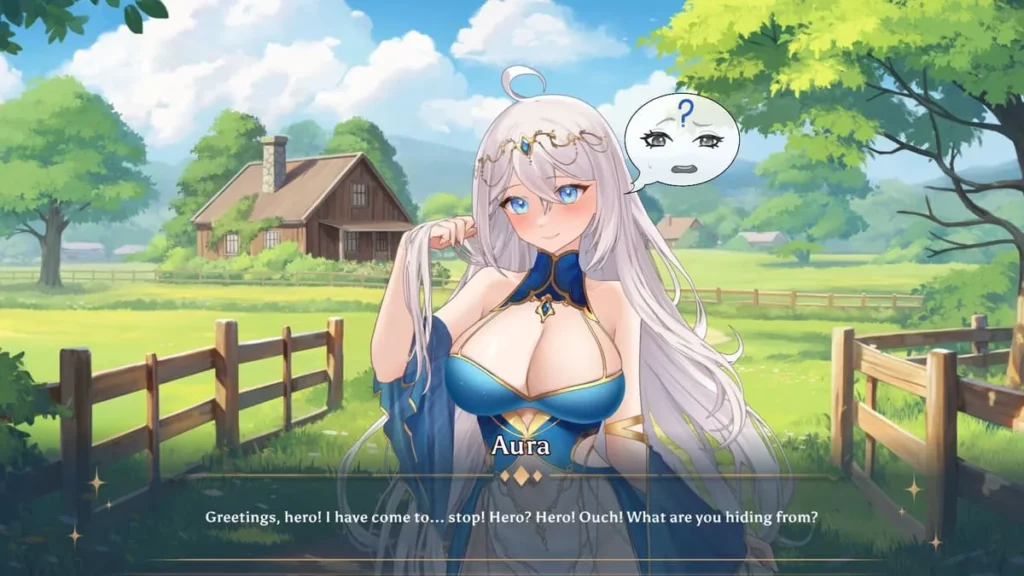
AURA: Hentai Cards review
A Complete Guide to Mechanics, Card Battles, and Player Feedback
AURA: Hentai Cards is a unique hybrid game that blends RTS, Tower Defense, and Match-3 mechanics into a single strategic experience. Players engage in battles across two distinct battlefields while managing card decks, upgrading characters, and making tactical decisions that impact progression. The game features enchanting characters and a progression system that rewards careful planning and resource management. Whether you’re interested in understanding the core gameplay loop, exploring strategic card combinations, or learning what the community thinks about the title, this guide covers everything you need to know about AURA: Hentai Cards and what makes it stand out in the indie gaming landscape.
Gameplay Mechanics and Core Features
So, you’ve downloaded AURA: Hentai Cards, drawn your first few stunning cards, and jumped into a battle… only to get completely overwhelmed. 😵 I’ve been there. You think you’re playing a card game, but then towers are involved, and you’re matching gems, and suddenly you’re managing two fights at once. It’s a lot! But trust me, once the brilliant AURA Hentai Cards gameplay mechanics click, you’ll see it’s one of the most innovative strategy games out there.
This isn’t just another digital card battler. It’s a wild, strategic fusion that demands you think on multiple levels. In this guide, we’re breaking down everything from the card deck building strategy to the tense mana management card game economy. By the end, you’ll not only understand how to play—you’ll understand how to dominate. Let’s get your strategy up to speed. ⚡
How the Hybrid Game System Works
At first glance, the combination seems bizarre. RTS Tower Defense Match-3 hybrid? It sounds like a developer threw three different game ideas into a blender. But in practice, it creates a deeply engaging and constant puzzle. Here’s how this beautiful chaos works together.
Think of the battlefield as your personal kingdom under siege. 🏰 Your primary goal is to protect your Aura Crystal from waves of enemies marching down defined lanes—that’s the Tower Defense core. You don’t build towers in the traditional sense, however. Instead, you play Unit and Structure cards from your hand. Summon a swordsman to block a lane, or place an archer tower to rain down arrows. This is where the Real-Time Strategy (RTS) element shines; you’re making rapid-fire deployment decisions as the enemy waves evolve.
But wait, where do you get the resources to play these cards? Enter the Match-3 layer. At the bottom of your screen is a gem board. Every few seconds, a new gem falls. Match three or more of the same color, and you generate that color’s corresponding resource—Mana! 💎 This is the brilliant engine that drives everything. You’re not just waiting for turn-based mana ticks; you’re actively manipulating the board to fuel your war effort. A great match can give you the burst of mana needed to turn the tide.
The real magic is the interaction. You’re constantly splitting your attention:
* Eyes on the lanes: Monitoring enemy health and positions.
* Eyes on your hand: Deciding which card to play next.
* Eyes on the gem board: Planning your next match for maximum mana.
It creates a wonderfully stressful and rewarding loop. I remember one close battle where I was about to be overrun. Instead of panicking, I focused on the board, managed a last-second 4-gem match for a huge blue mana burst, and dropped a game-freezing Ice Mage card right in the nick of time. That moment of multi-system mastery is what this game is all about.
Pro Tip: Don’t just match gems reactively! Look ahead. Sometimes setting up a bigger combo for next turn is smarter than making a small match now, especially if your defenses are holding.
To get started, here’s a quick checklist of the key gameplay mechanics you need to master:
- Card Interactions: Understanding how your Unit cards (melee, ranged) and Structure cards (towers, traps) work together on the field.
- Mana Economy: Knowing your gem colors (e.g., Red for Attack, Blue for Magic, Green for Nature) and planning your matches to fund your strategy.
- Battle Phases: Managing the early game (setup), mid-game (constant pressure), and late-game (clutch plays and boss waves).
Card Deck Building and Mana Management
This is where your personal strategy comes to life. Your deck is your army, and your mana is its supply line. A poor card deck building strategy will fail even with perfect gem matching, and poor mana management will leave your best cards stuck in your hand.
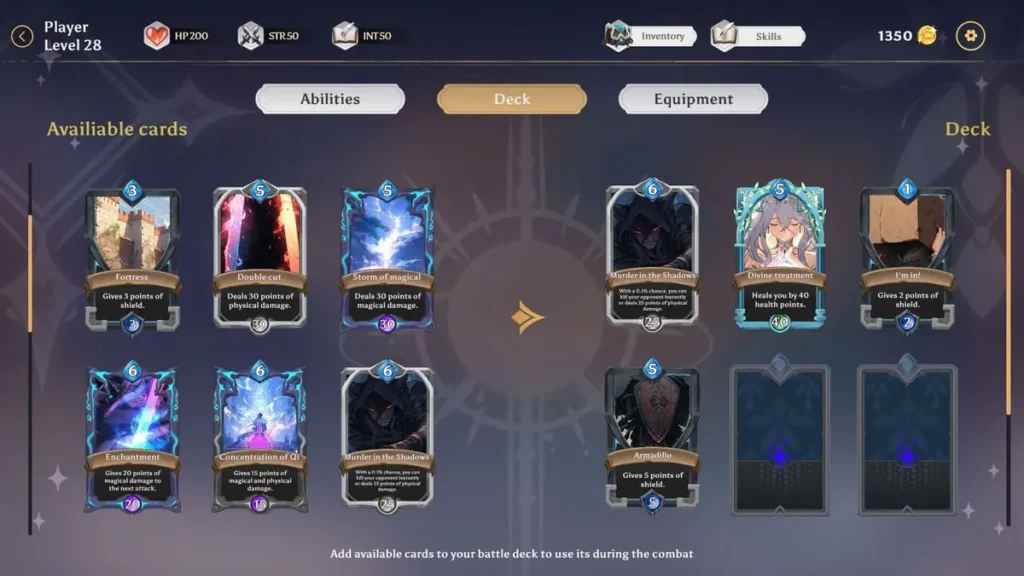
Let’s start with the deck. AURA: Hentai Cards gives you a ton of options, but a focused deck is a winning deck. You’ll want a balance of:
* Low-cost Units: For early game presence and to plug sudden gaps in your lines.
* High-impact Cards: Your powerful creatures or spells that can swing a battle.
* Structures: Reliable, persistent damage or effects that don’t disappear after one fight.
But here’s the first twist: the discard for mana system. Stuck with a high-cost card when you need a defender NOW? You can discard it from your hand for a small, immediate amount of generic mana. This is a crucial safety valve and a strategic tool. Sometimes, thinning your hand to draw into a better answer is the correct play. This directly feeds into the mana management card game mentality—every action is a resource conversion.
The second layer is the colored mana from the gem board. Most cards have a primary color cost. If you’ve built a deck heavily focused on powerful Red attack cards, but you keep matching Blue gems, you’re in trouble. 😬 You need to align your deck’s color requirements with your gameplay focus. A balanced deck might be easier to pilot, while a mono-color deck can be explosively powerful if you can feed it.
Your character abilities and skills are inextricably linked to this system. As your main character levels up, you unlock passive skills and active abilities that synergize with certain card types or mana colors. For instance, one skill might reduce the cost of all Nature (Green) units, making a swarm strategy more viable. Another might cause every third match of Red gems to deal a burst of damage to all enemies. Building your deck around your chosen character’s skills is the path to a truly broken (in a good way) strategy.
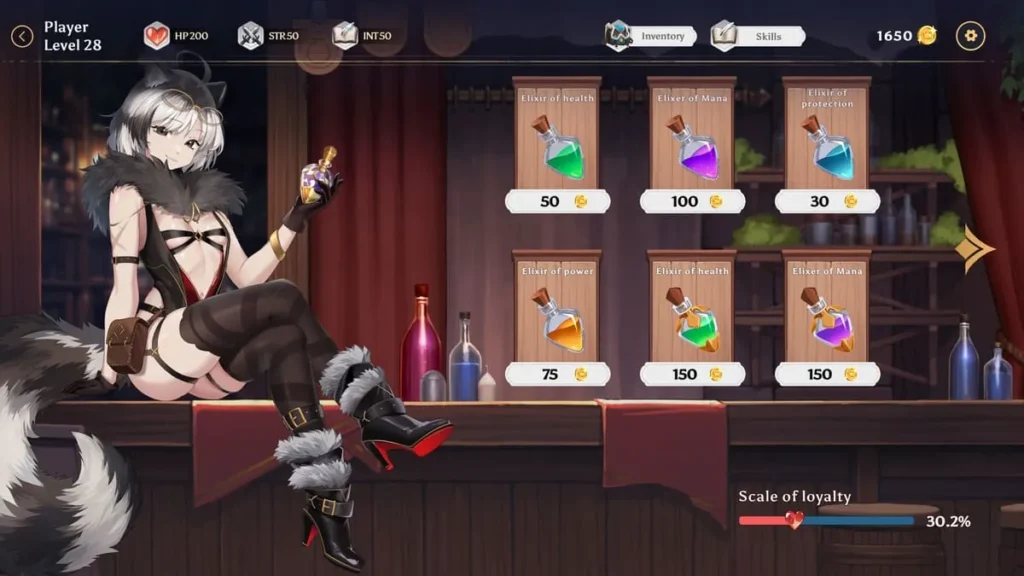
The final piece is the resource management progression system. Winning battles earns you Gold and sometimes consumables like Potions or Lock Picks. Here’s the constant dilemma:
* Gold is for buying new card packs and unlocking new characters.
* Potions can restore your party’s health between battles in a campaign.
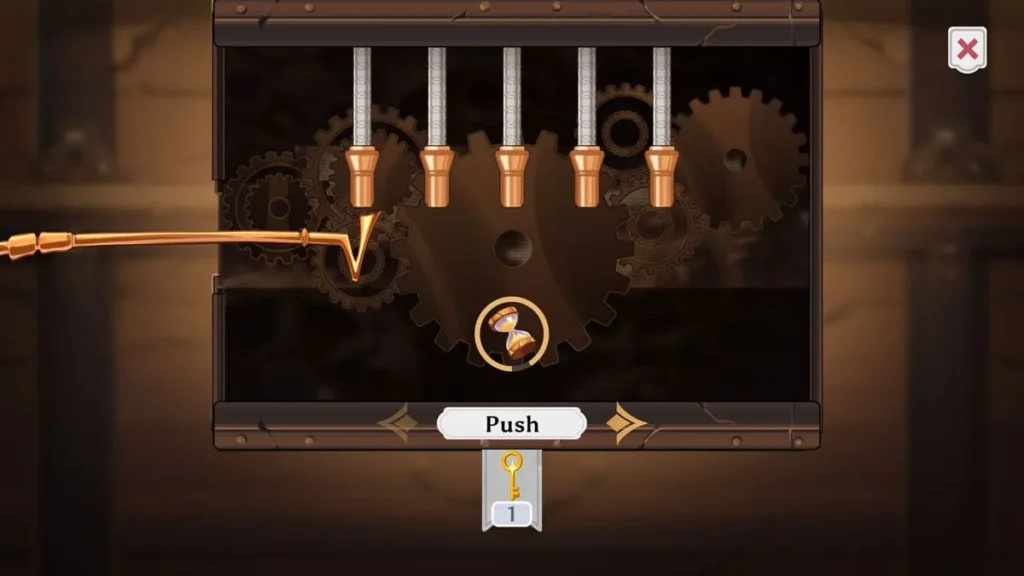
* Lock Picks let you open special chests for rare rewards.
Do you spend gold on a new pack to improve your deck, or save it to unlock a new character whose skills better fit your style? Do you use a potion now to stay in a tough campaign, or save it for a predicted harder battle later? These choices give the game a compelling strategic layer beyond the battlefield itself.
Here’s a breakdown of these key resources:
| Resource | Primary Use | Strategic Consideration |
|---|---|---|
| Gold 💰 | Buying card packs, unlocking new characters. | The core progression currency. Focus on deck improvement early to tackle harder content. |
| Healing Potions ❤️🩹 | Restoring your team’s health in between campaign battles. | Critical for long campaign runs. Using one is an investment to continue your reward streak. |
| Lock Picks 🗝️ | Opening special, timed chests that contain rare cards or resources. | Best saved for high-tier chests. Don’t waste them on common wooden chests! |
Battle System and Two-Battlefield Strategy
Alright, you’ve built your deck and managed your resources. Now comes the real test: the two battlefield battle system. This is the feature that separates the good players from the great ones. You’re not managing one fight—you’re conducting a war on two fronts simultaneously. 🧠➗
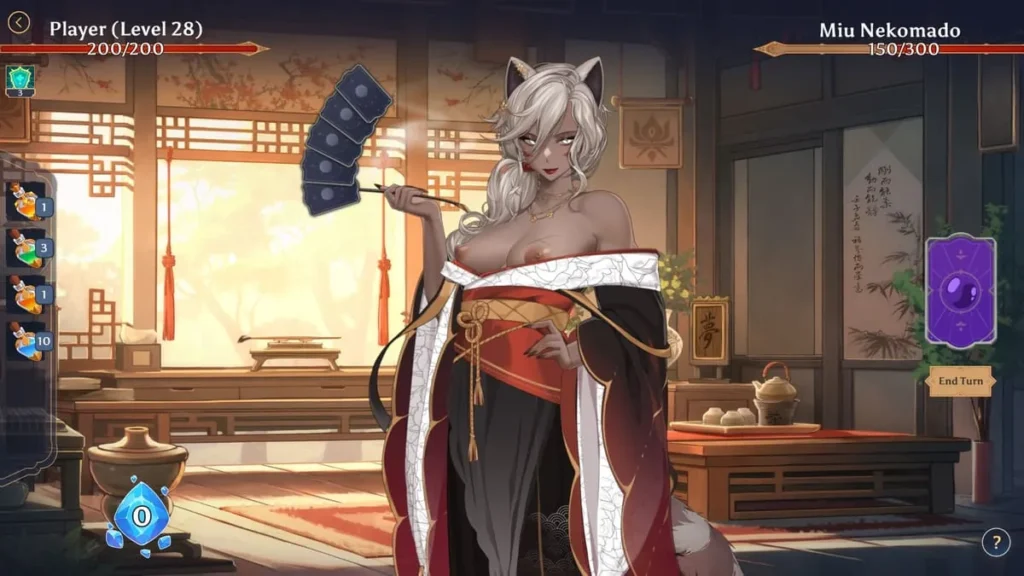
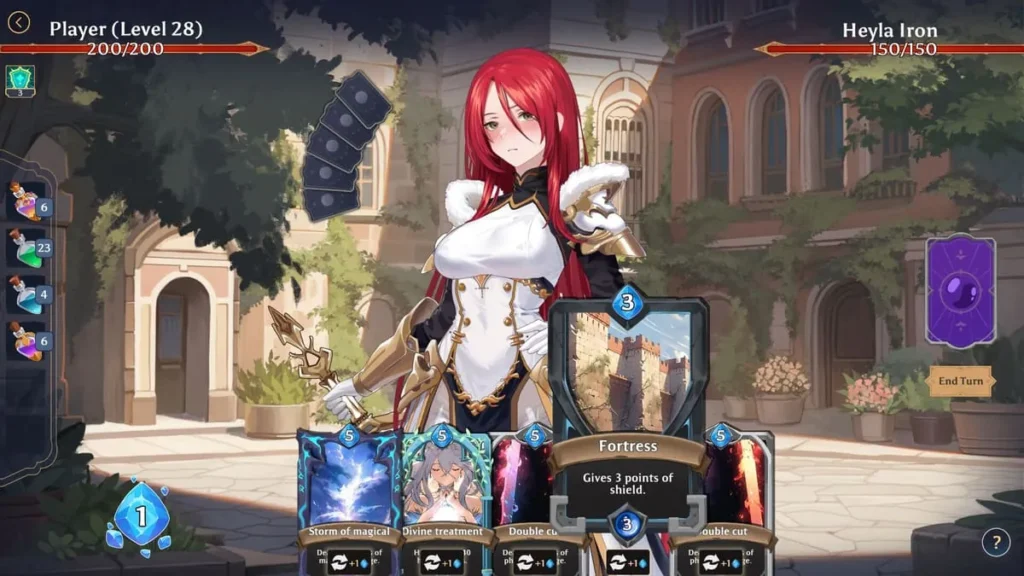
The screen is split vertically. On the left is the “Physical Battlefield,” and on the right is the “Spiritual Battlefield.” Each has its own lanes, its own incoming enemy waves, and its own health pool for your Aura Crystal. You lose if either crystal falls. The pressure is immediate and unrelenting.
This is where understanding character abilities and skills becomes a tactical necessity. Some of your cards can only be played on a specific battlefield. A “Stone Golem” might be a Physical-only defender, while a “Spectral Archer” could be a Spiritual-only attacker. You need to maintain a defense on both fronts, which means your deck must be capable of operating on each. A deck full of Physical units will watch helplessly as the Spiritual crystal is destroyed.
The strategic depth comes from your focus. You only have one cursor, one gem board, and one hand of cards. You must choose where to allocate your attention and resources every second. A common strategy is the “Turtle and Push” method:
1. Turtle on one side: Build a solid, static defense on the Spiritual battlefield with durable structures and a few units.
2. Push on the other: Focus your active card plays and gem matches on the Physical battlefield, aiming for an aggressive victory there quickly.
3. Reinforce: Once one battlefield is secure, shift all your resources to the other to clean up.
Enemies will test this strategy. You’ll face opponents that send heavy troops to one side while flooding the other with fast, weak units. Other times, a boss enemy might appear that requires your full attention, leaving the other battlefield vulnerable. You must learn to read these threats and adapt.
When you lose a battle—and you will—the resource management progression system shows its teeth. Losing doesn’t just mean a game over screen. You’ll lose the potential rewards from that battle, and your characters will retain any damage they took. This might force you to use a precious potion or even retreat from a campaign to heal, losing your progress streak. The stakes feel real, which makes victory even sweeter.
The game scales difficulty intelligently. Early battles teach you the basics, but later stages introduce enemies with shields, spell immunity, or abilities that destroy your structures. It constantly forces you to tweak your card deck building strategy and refine your two battlefield battle system tactics.
Mastering AURA: Hentai Cards is about embracing its beautiful complexity. It’s the satisfaction of building a deck that hums with synergy, the clutch moment of a perfect gem match saving a failing front, and the epic feeling of finally conquering a campaign that pushed you to your limit. It’s more than a card game; it’s a strategic playground where your ability to manage, adapt, and think ahead is the ultimate weapon. Now, get out there and defend those crystals! 🛡️✨
AURA: Hentai Cards presents an ambitious fusion of multiple game genres that creates a distinctive strategic experience. The combination of RTS, Tower Defense, and Match-3 mechanics offers depth for players who enjoy tactical decision-making and resource management. However, the game faces balance challenges with certain characters dominating matches, and progression can feel restrictive due to resource bottlenecks. Community feedback highlights both the game’s potential and areas needing refinement, particularly around difficulty scaling and character balance. For players interested in unique hybrid gameplay with strategic card building, AURA: Hentai Cards offers an engaging experience, though those seeking pure competitive balance may want to monitor updates addressing the current meta. As the game continues development toward full release, player suggestions about repeatable battles, skill respecs, and difficulty adjustments could significantly enhance the overall experience.