
A Summer’s End – Hong Kong, 1986
Play A Summer’s End – Hong Kong, 1986
A Summer’s End – Hong Kong, 1986 Screenshots

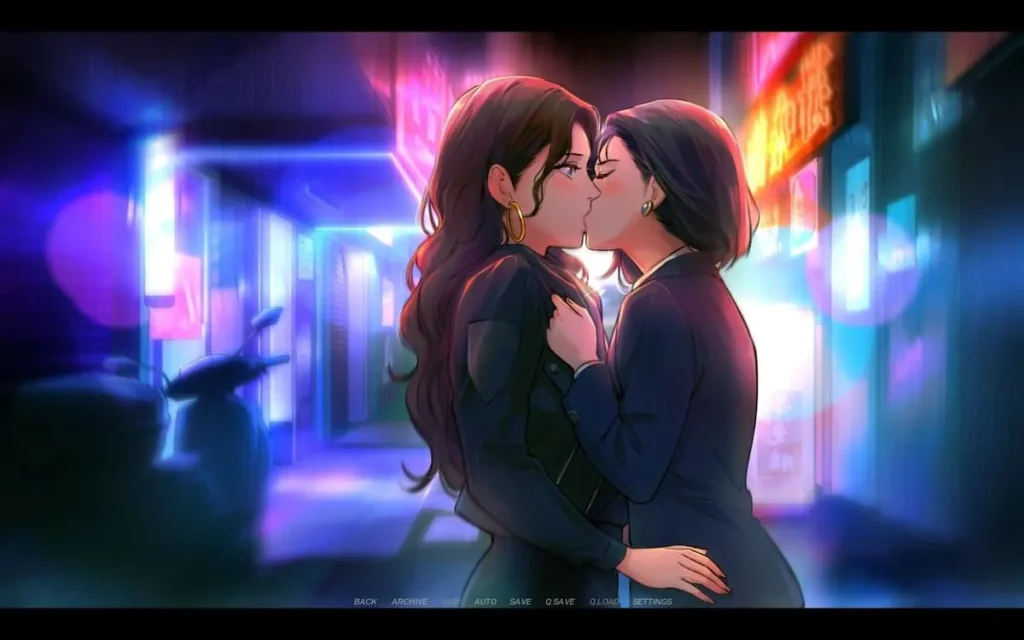



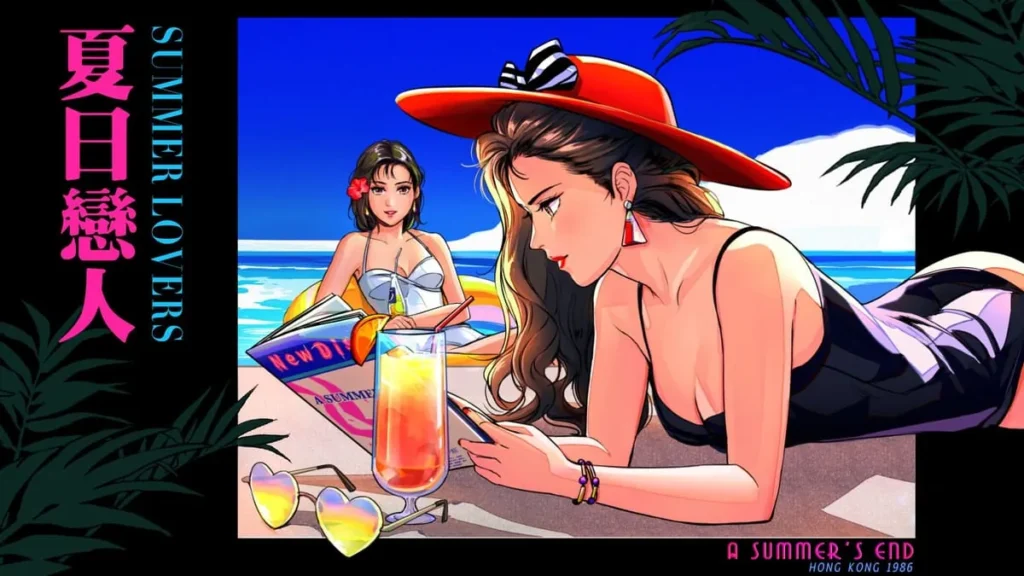


A Summer’s End – Hong Kong, 1986 review
Discover the heartfelt romance and stunning visuals of this 1986 Hong Kong visual novel
Imagine stumbling upon a hidden gem that captures the neon glow of 1980s Hong Kong while weaving a tender tale of self-discovery and forbidden connection. That’s A Summer’s End – Hong Kong, 1986, a visual novel that pulled me in during a late-night gaming binge last summer. I remember my heart racing through Michelle and Sam’s slow-burn romance amid bustling Mong Kok streets and serene Sai Kung shores. This game isn’t just pixels—it’s a nostalgic journey blending scenery porn, emotional depth, and optional spicy moments via a free patch. Whether you’re a visual novel fan or craving authentic 80s Hong Kong vibes, dive into why this title stands out in the genre.
What Makes A Summer’s End – Hong Kong, 1986 Unforgettable?
I still remember the first time I booted up A Summer’s End – Hong Kong, 1986. It was a rainy afternoon, and I was just looking for a short, pretty story to pass the time. Hours later, I was completely spellbound, emotionally invested in a world that felt both nostalgically distant and intensely immediate. I wasn’t just playing a game; I was being gently pulled into the humid, neon-drenched summer of 1986 Hong Kong, living through a pivotal season in the lives of two unforgettable women. That’s the magic of this experience—it doesn’t feel like a game, it feels like a memory you’re somehow part of. So, what exactly is A Summer’s End game that makes it so uniquely captivating? Let’s dive in. 🏙️
How Does the Story Unfold in 1980s Hong Kong?
The A Summer’s End Hong Kong 1986 story is a masterclass in atmosphere and slow-burn emotion. You step into the sensible shoes of Michelle, a young office worker navigating the pressures of family, career, and societal expectations. Her life is orderly, predictable, and perhaps a little lonely. This all changes with a chance reconnection with Sam, a free-spirited and confident woman who was once a childhood friend. Their reunion sparks a journey that is the heart of this 1980s Hong Kong romance game.
The setting isn’t just a backdrop; it’s a central character. The developers, Oracle & Bone, painstakingly recreate the vibrant, gritty, and transformative energy of 1986 Hong Kong. You’ll feel the sticky heat of the crowded streets of Mong Kok, a Neon City alive with the buzz of arcades and open-air markets. You’ll contrast that with the tranquil, sweeping seascapes of Sai Kung, where conversations drift as easily as the tide. This isn’t a generic Asian city; it’s a specific, lovingly detailed portrait of a place at a cultural crossroads, which deeply influences every aspect of the Michelle and Sam relationship.
The narrative tension springs from this very specific time and place. We’re in the mid-80s—a period of economic boom but also deep-rooted conservatism, especially regarding family duty and personal identity. Michelle’s internal conflict isn’t just about her feelings for Sam; it’s about weighing those feelings against the weight of familial expectation and a society not yet ready to openly embrace her truth. The game excels at showing, not telling, this pressure through subtle cues: a disapproving glance, a loaded question from a relative, the quiet solitude of Michelle’s apartment versus the chaotic warmth of her family home. This context makes the budding romance not just sweet, but genuinely courageous.
Who Are Michelle and Sam, and Why Do You Root for Them?
At its core, the appeal of this visual novel romance lives and dies with its two leads. Michelle and Sam aren’t archetypes; they are beautifully flawed, authentic characters whose chemistry feels earned, not manufactured.
- Michelle is relatable in her caution. She’s pragmatic, a little world-weary from office politics, and carries the quiet burden of being the “good daughter.” Watching her carefully constructed walls begin to crack under Sam’s infectious enthusiasm and genuine care is a profoundly satisfying character arc. Her journey is one of cautious self-discovery.
- Sam is the catalyst. Bold, artistic, and seemingly sure of herself, she lives life on her own terms. From her perspective, there’s a definite element of Love at First Sight—a rekindled recognition of something profound. She isn’t pushy, but she is persistent, offering Michelle a glimpse of a life lived authentically.
“I’ve played a lot of romance games, but the rainy kiss scene in A Summer’s End left me breathless. The build-up, the music, the way the dialogue just… stops. It’s pure cinematic emotion. I actually cried.” – A player’s testimonial
What makes the Michelle and Sam relationship so compelling is its grounding in a very specific cultural dialogue. The writers use oblique, East Asian conversational patterns to build incredible tension. Meaning is often found in what is not said—in a pause, a deflected question, or a change of subject. This indirect communication feels incredibly real and makes every moment of direct emotional honesty, like the famous Romantic Rain kiss scene, feel like an earthquake. You’re not just watching a kiss; you’re witnessing a monumental breakthrough after layers of subtle, unspoken yearning.
This is a queer love story 1986 that focuses first and foremost on the “love story” part. Their relationship is treated with the same tenderness, awkwardness, and beauty as any great romance. The fact that it’s queer is central to the conflict, but it’s never the sole defining characteristic. You root for them because they are two people who clearly make each other better, brighter, and more complete, fighting for a chance in a world that presents unique obstacles.
What Are the Multiple Endings and Their Impact?
A key question for any narrative-driven experience is: do my choices matter? In A Summer’s End, they absolutely do, leading to significantly different Hong Kong visual novel endings. Your decisions, often subtle and reflective of Michelle’s growing confidence (or hesitation), steer the story toward one of two primary conclusions. This isn’t about picking obvious “good” or “bad” dialogue options; it’s about consistently nurturing the relationship and encouraging Michelle to be brave.
Here’s a breakdown of the two core endings:
| Ending Name | How to Achieve It | Emotional Impact & Theme |
|---|---|---|
| The True Ending (A New Beginning) | Consistently choose options that open up to Sam, embrace new experiences, and prioritize your own happiness. This includes key moments of vulnerability and honesty. | Hopeful, bittersweet, and triumphant. It validates the struggle and offers a beautiful, open-ended future for Michelle and Sam. It’s the payoff for embracing change. |
| The Standard/Bad Ending (One Summer’s End) | Let fear and duty win. Choose options that avoid risk, defer to family pressure, and maintain the status quo. Pull away when moments of intimacy arise. | Profoundly somber and realistic. It embodies the **Bad End where they part ways**, leaving a powerful sense of regret and “what could have been.” It’s a poignant reminder of the cost of not living authentically. |
The power of these Hong Kong visual novel endings lies in their resonance. The “bad” ending isn’t about cartoonish tragedy; it’s about the quiet, lifelong tragedy of missed connection and repressed feelings. It’s arguably just as well-written as the true ending, serving as a stark emotional contrast that makes the path to the happy conclusion feel all the more valuable and earned. You don’t just reload a save file after seeing it; you sit with it for a moment, understanding its weight.
FAQ: Your Quick Questions Answered
* Does the game have multiple endings? Yes! As described above, your choices guide Michelle toward one of two powerful, definitive conclusions that will stay with you long after the credits roll.
* How do I access the adult patch? For the full emotional and narrative payoff, many players recommend the official adult patch. It’s simple: 1) Purchase the base game on a platform like Steam or GOG. 2) Visit the developer’s official website (Oracle & Bone). 3) Find the “Patch” section and follow their clear instructions to download and install. It seamlessly integrates more intimate love scenes that deepen character connection. 🔧
This leads to a crucial piece of actionable advice: for the most complete experience, consider playing with the official adult patch. This isn’t about titillation; it’s about narrative depth. The added scenes are tender, emotionally charged, and feel like a natural extension of the story. They offer a raw vulnerability that strengthens your investment in the Michelle and Sam relationship, making the stakes of the Hong Kong visual novel endings feel intensely personal. It transforms key moments from implied to experienced, completing the emotional arc.
And that’s the final, most important point about A Summer’s End – Hong Kong, 1986. This is not a superficial experience. It’s a genuine romance—a carefully crafted, heartfelt story about identity, courage, and the fragile, beautiful beginnings of love in a specific time and place. It uses its medium perfectly, blending stunning visual artistry, a phenomenal synth-driven soundtrack, and writing that understands the power of silence and subtext. It’s a queer love story 1986 that transcends its labels to become simply a great love story, period. One that captures the fleeting, potent magic of a single summer that can change everything.
Reliving A Summer’s End – Hong Kong, 1986 takes you back to neon-lit streets and heartfelt confessions that linger long after the credits roll. From Michelle and Sam’s tender journey through cultural hurdles to the breathtaking 1980s Hong Kong backdrops, this visual novel masterfully blends story, emotion, and optional intimacy. My own playthrough left me reflecting on love’s quiet rebellions—grab the free adult patch, choose your path wisely, and let it sweep you away. Don’t miss this gem; download it today and experience the summer that never ends.